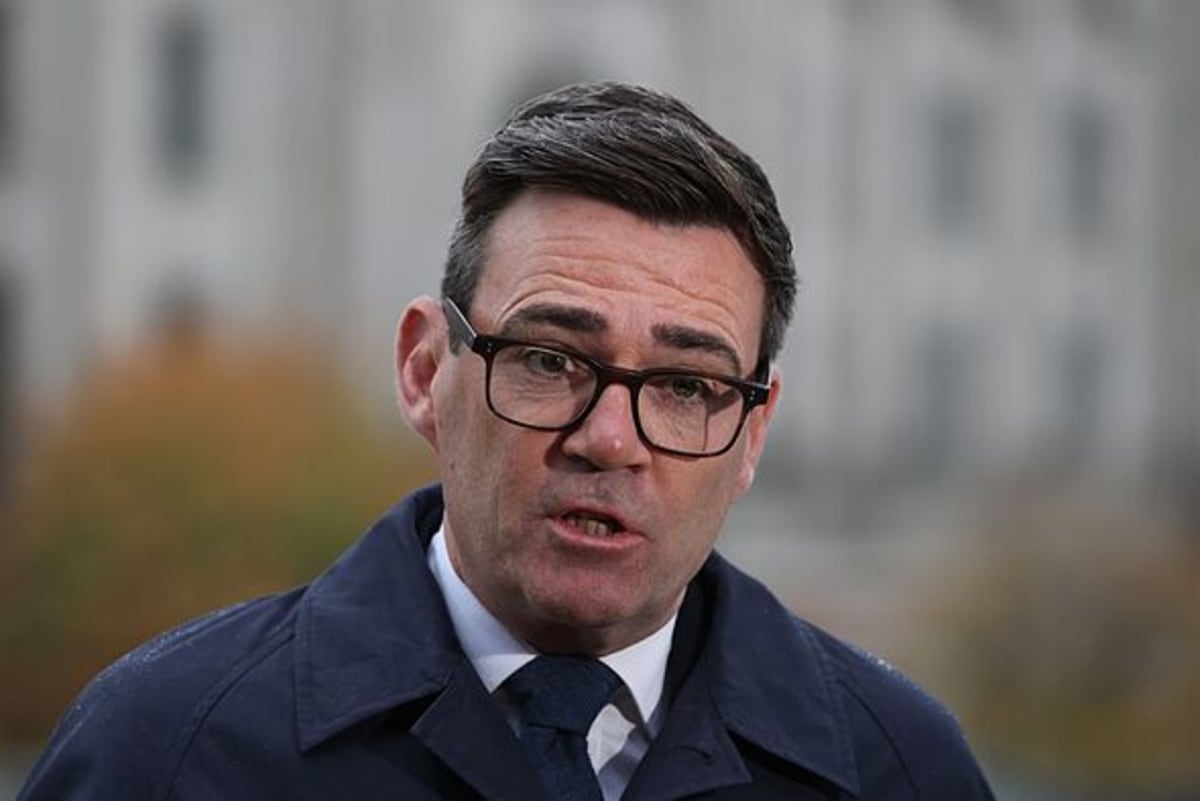
Andy Burnham outlines plans for housing and economic reform as PM
Prime Minister Burnham has announced plans to decentralize power and prioritize cost-of-living relief. John Healey has been appointed Chancellor to navigate fiscal policy and market responses.
- Core Development: Prime Minister Burnham has announced plans to decentralize power and prioritize cost-of-living relief. John Healey has been appointed Chancellor to navigate fiscal policy and market responses.
- Beat Context: Categorized under Politics with independent corroboration.
- Reporting Depth: 3 minute analytical read synthesized from verified newsroom sources.
His ascension follows the formal resignation of Sir Keir Starmer, who concluded his tenure on the same day.
He argued that the centralisation of political power and the privatisation of economic assets during that era led to widespread deindustrialisation. In response, he promised a shift toward a more collaborative model, proposing to devolve authority away from London to every postcode in the country. A core component of this decentralisation strategy is the establishment of a “No 10 in the North” office in Manchester, which is intended to serve as a nerve centre for reindustrialisation, regeneration, and the reform of essential utilities.
Media additions

Economic policy and cost‑of‑living relief represent the immediate priorities of the new administration. Mr Burnham committed to unveiling specific measures on Tuesday to provide households with what he termed “breathing space” regarding rising costs, while also pledging to clarify how these interventions will be funded. Looking further ahead, the Prime Minister announced that a comprehensive 10‑year national plan will be introduced later this year to outline a path for long‑term economic and social stability. He also confirmed that his first official instruction would be a directive to end rough sleeping in the country.
Mr Burnham’s economic rhetoric has already drawn attention from financial markets. The Prime Minister stated his intention to uphold existing fiscal rules while making use of available “flexibility” within them. This approach triggered an immediate response in the markets; according to available data, yields on 10‑year UK gilts rose 0.08 percentage points to 5.03 pc, representing the fastest rise in the G7. In a move to manage the nation’s stretched public finances, Mr Burnham appointed John Healey as the Chancellor of the Exchequer. Mr Healey, a veteran minister who previously resigned over the pace of defence funding, replaces Rachel Reeves. The appointment was described as a surprise by various outlets, as other senior figures such as Shabana Mahmood and Ed Miliband had been widely considered for the role.
Business groups and institutional leaders have responded to the new administration with both cautious support and specific demands. The Institute of Directors and the Confederation of British Industry have emphasized the need for fiscal credibility and a business environment that fosters private investment and hiring. While some groups welcomed the focus on regional growth, the Institute of Directors cautioned that placing essential services under greater public control does not inherently guarantee improved performance without robust governance frameworks. Additionally, trade bodies including the British Chambers of Commerce and the Federation of Small Businesses have urged the new government to avoid further tax increases, citing the impact of previous budget decisions on employment costs and economic confidence.
The Prime Minister’s inaugural day reflects a broader attempt to reset the government's priorities, including the decision to scrap a government digital ID scheme to redirect funds toward the cost‑of‑living crisis. As the new administration settles in, the focus remains on the upcoming budget and the implementation of the promised 10‑year strategic plan, which will be the primary vehicle for the government's reform agenda.
What to watch next
- Tuesday: Prime Minister Burnham is expected to announce specific cost‑of‑living measures and detail the funding sources for these initiatives.
- Autumn Budget: Chancellor John Healey will face his first test of market confidence at the Autumn Budget, where the government must align its spending ambitions with existing fiscal rules and high debt‑interest payments.
- Policy Implementation: The government is expected to release further details on the 10‑year national plan later this year, outlining the path for long‑term economic and social reform.
How significant is this development?
Contribute your assessment to the aggregated reader sentiment ledger.
Frequently Asked Questions
Key questions answered in this reportWhat is the key development in: Andy Burnham outlines plans for housing and economic reform as PM?
Prime Minister Burnham has announced plans to decentralize power and prioritize cost-of-living relief. John Healey has been appointed Chancellor to navigate fiscal policy and market responses.
Why is this Politics development significant for the UK?
This report covers critical events in our Politics beat. Independent reporting monitors related UK statements, regulatory shifts, and public responses as further verified details emerge.
How was this reporting corroborated and verified?
Newsarchy UK compiles and cross-references reporting from primary reporting from apnews.com and cross-checked wire reports. All coverage adheres to published editorial standards.
When was this report published?
This briefing was published on July 21, 2026 and is permanently cataloged in the Newsarchy UK Politics archives.