Andy Burnham set for Labour leadership as last potential challenger withdraws
EXECUTIVE BRIEFKey Takeaways & Signal
Core Development: Andy Burnham is the only declared candidate for the Labour leadership after Al Carns ruled out a bid. He is expected to be declared leader on 17 July.
Beat Context: Categorized under Politics with independent corroboration.
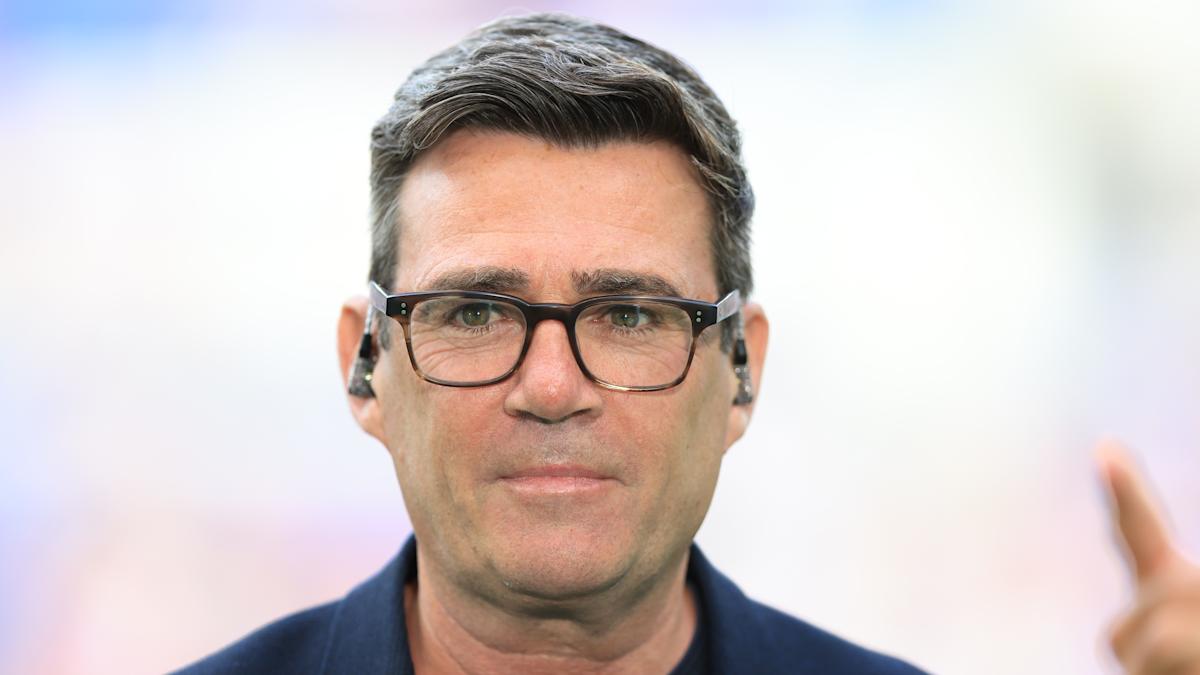
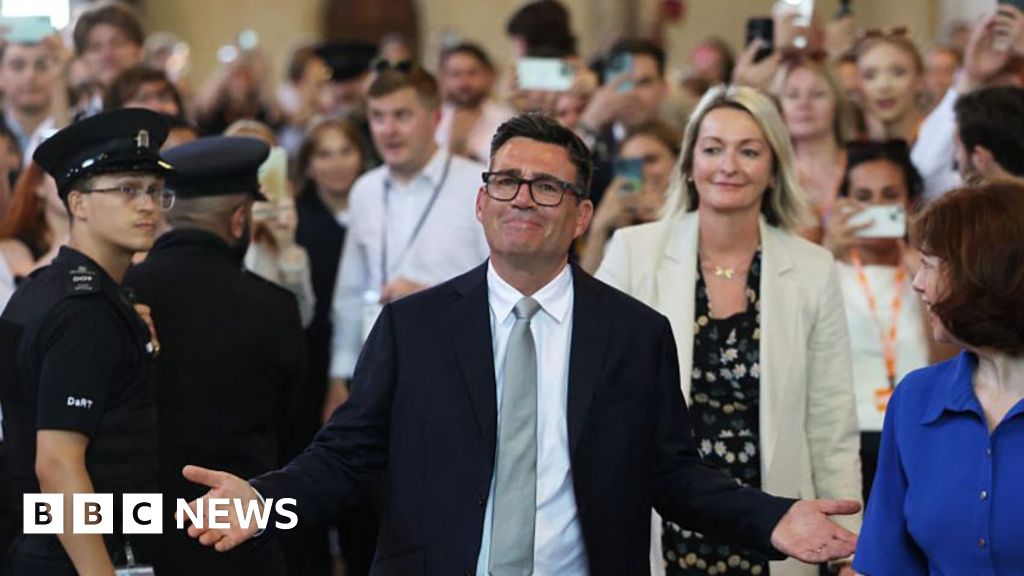
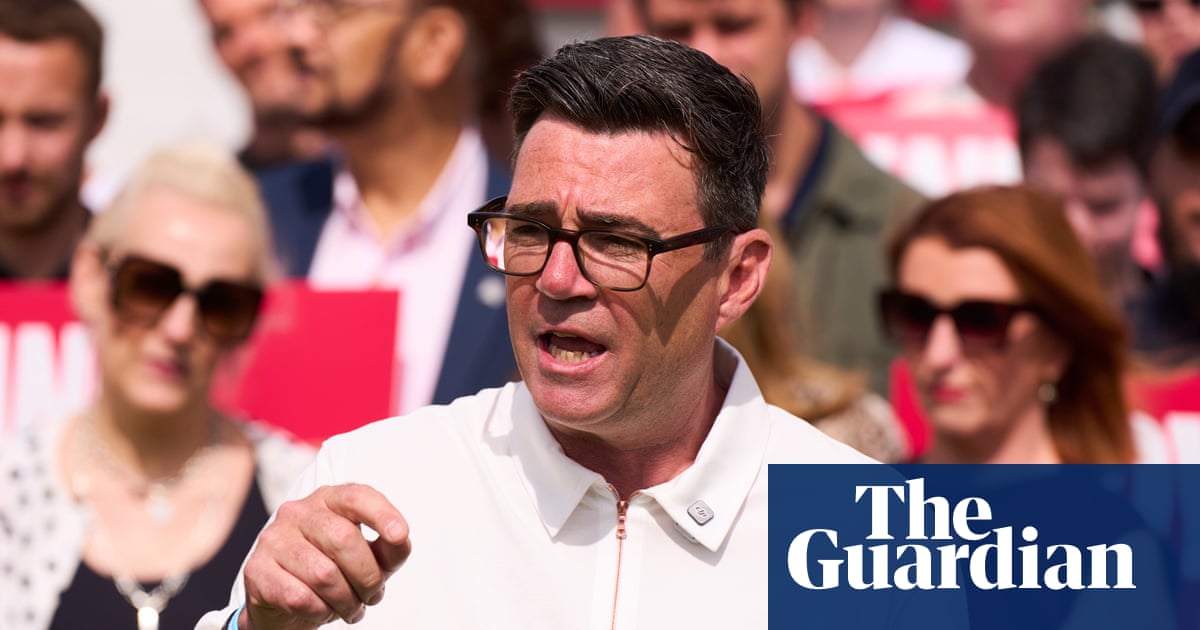
Andy Burnham is on the verge of succeeding Sir Keir Starmer as Labour leader and prime minister, following the withdrawal of the last viable challenger to his candidacy. The former Greater Manchester mayor, who secured his return to Parliament through the recent Makerfield by-election, is currently the only declared candidate for the top job.
The path to an uncontested transition cleared on Wednesday evening when former armed forces minister Al Carns, who had been weighing a potential bid, formally ruled himself out of the running. Explaining his decision, Carns stated:
"I'd hoped a leadership contest would give us the opportunity for a proper debate. But months of internal Labour politics isn't what the country needs right now. We've got to get on with the job."
Media additions
Image via news.stv.tvImage via bbc.comImage via theguardian.com
The Road to Downing Street
Starmer announced his resignation on 22 June 2026 after facing sustained pressure from within his own party following a period of deep unpopularity and significant electoral losses, including the May 2026 local elections where Labour lost control of over half of the councils up for election.
Under party rules, prospective leadership candidates require the backing of at least 81 MPs to secure a place on the ballot. If no other candidates emerge before the 16 July deadline, Burnham will be formally declared leader at a special conference on 17 July. Following this, he is expected to become prime minister on 20 July.
While the prospect of an uncontested succession has been welcomed by some as a means to avoid further political instability, it has drawn criticism from others who believe the party should subject its next leader to a rigorous contest. Labour MP John Slinger remarked that it was "necessary" to have a full leadership race, arguing: I think the public out there would think we'd slightly lost our minds if we didn't go through a process where we subject people who aspire to the highest office in the land to completely normal scrutiny.
Policy and Stability
Burnham has begun signaling his priorities ahead of his expected appointment. Writing in The Times, he emphasized his commitment to foreign policy stability, pledging to maintain the UK's close ties with the United States, continued support for Ukraine, and a firm commitment to NATO and the nuclear deterrent. He also indicated his intention to retain Jonathan Powell in his role as national security adviser.
Regarding economic policy, Burnham has advocated for utilizing the government's defence investment plan to stimulate British industry and bolster economic growth. He has also expressed a desire to be more transparent with the public regarding infrastructure spending to prevent cost overruns, while committing to continue the current government's fiscal rules.
Meanwhile, Starmer continues to manage the transition, with his office confirming that he wishes to ensure an "orderly transition" for his successor.
What to Watch Next
16 July: Deadline for leadership nominations.
17 July: Formal declaration of the new Labour leader at a special conference.
20 July: Expected date for Burnham to become prime minister.
6–27 August: Potential leadership contest window, should more than one candidate emerge.
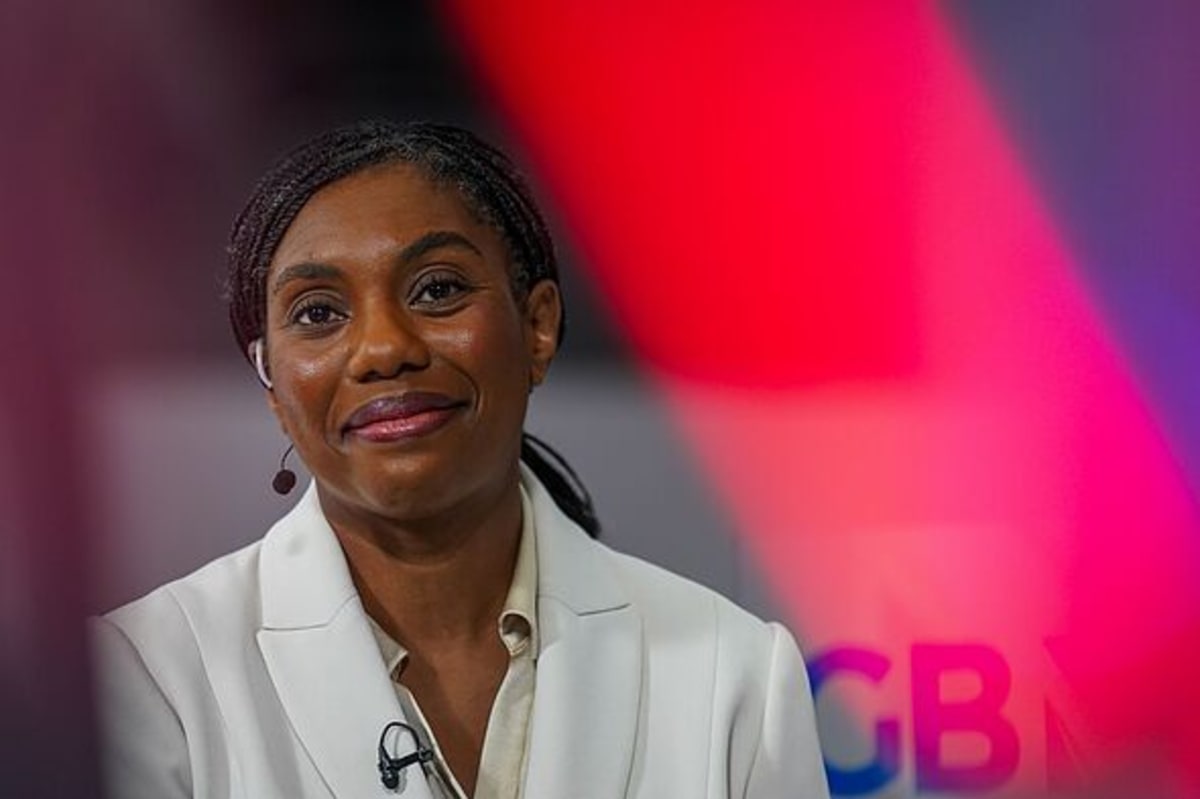
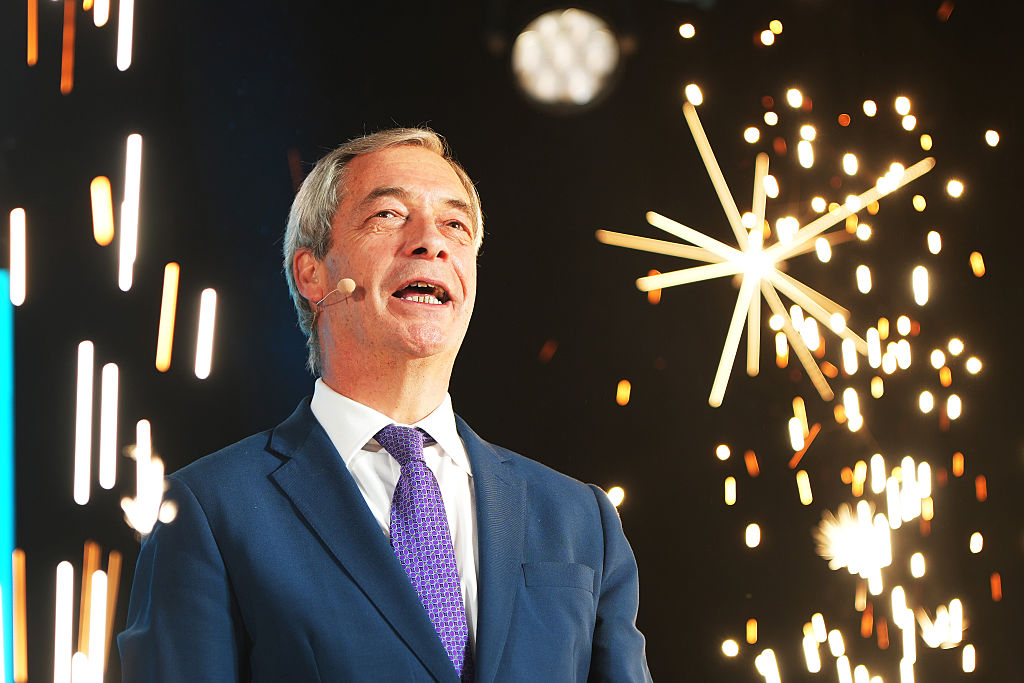
Opposition figures have been vocal regarding the transition. Conservative leader Kemi Badenoch criticized the Labour Party's current direction, while Reform leader Nigel Farage has called for a general election, arguing that the public should have a say in the change of leadership. However, Burnham has stated that he does not intend to call a general election, noting that there is no legal requirement to do so until 2029.
READER INTELLIGENCE PULSE
How significant is this development?
Contribute your assessment to the aggregated reader sentiment ledger.
Click an option to register your anonymous assessment.
Frequently Asked Questions
Key questions answered in this report
What is the key development in: Andy Burnham set for Labour leadership as last potential challenger withdraws?
Andy Burnham is the only declared candidate for the Labour leadership after Al Carns ruled out a bid. He is expected to be declared leader on 17 July.
Why is this Politics development significant for the UK?
This report covers critical events in our Politics beat. Independent reporting monitors related UK statements, regulatory shifts, and public responses as further verified details emerge.
How was this reporting corroborated and verified?
Newsarchy UK compiles and cross-references reporting from primary reporting from bbc.com and cross-checked wire reports. All coverage adheres to published editorial standards.
When was this report published?
This briefing was published on July 9, 2026 and is permanently cataloged in the Newsarchy UK Politics archives.