Peter Mandelson appointment slammed by MPs in scathing new report
The Foreign Affairs Committee has condemned the appointment of Peter Mandelson as US ambassador, citing an official report on systemic vetting failures. Internal communications have further exposed government dysfunction and concerns regarding the appointment process.

The political future of the government remains precarious as the fallout from the appointment of Peter Mandelson as the United Kingdom’s ambassador to the United States continues to dominate Westminster. A scathing report from the Foreign Affairs Committee has formally condemned the decision as an “unmitigated disaster” that caused significant damage to the country’s international reputation. The committee’s findings have intensified demands for a systemic overhaul of how political appointments are managed.
The report asserts that the appointment was essentially forced upon the Foreign, Commonwealth and Development Office (FCDO) by Downing Street, bypassing standard security protocols. According to the committee, headed by Dame Emily Thornberry, the government’s record-keeping regarding the vetting process was described as “appalling.” The MPs concluded that a proper, independent investigation would have revealed that Lord Mandelson—due to his well-documented association with the convicted sex offender Jeffrey Epstein—was unsuitable for such a prominent diplomatic role. The report states that the committee was “kept in the dark” and provided only “partial truths” regarding the scandal.
Media additions
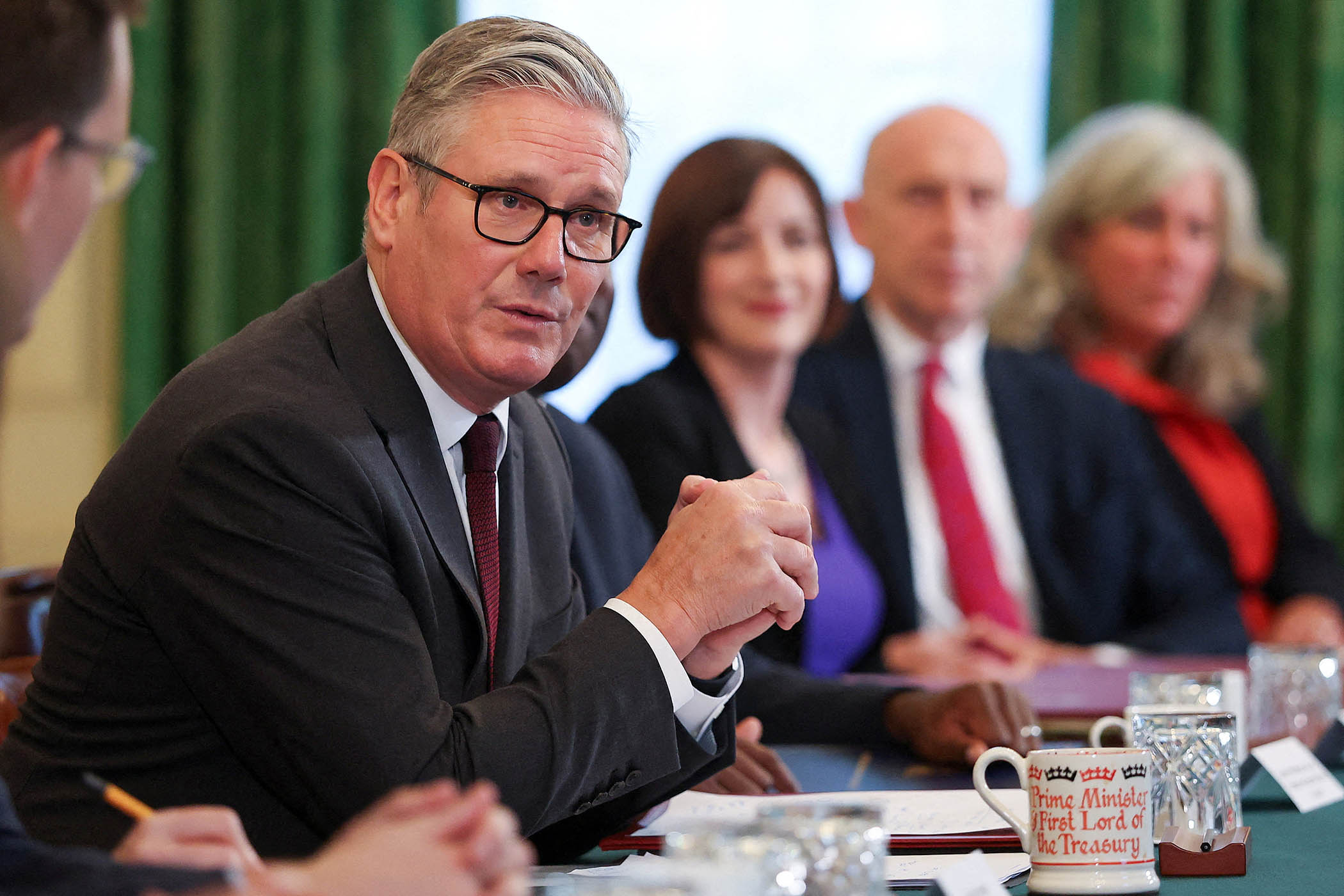

The controversy was inflamed further by the publication of 1,500 pages of internal communications, colloquially dubbed the “Mandelson Files.” These documents, released in June 2026, reveal deep-seated dysfunction within the Labour government. Messages show Lord Mandelson providing unsolicited political advice, criticizing the prime minister’s lack of “verve,” and disparaging colleagues. In one exchange with Work and Pensions Secretary Pat McFadden, Lord Mandelson described Downing Street operations as “rubbish in, rubbish out.” Other exchanges detail tensions regarding the government’s economic policy and the prime minister’s decision-making process.
Internal friction was evident throughout the files. Cabinet ministers discussed the government’s dwindling authority, with Mr. McFadden noting that the Prime Minister’s influence was “destroyed” by parliamentary revolts. The files also detail tensions between Downing Street and other senior figures, including suggestions that Gordon Brown was attempting to undermine the government to favor the former deputy prime minister, Angela Rayner. Additionally, the communications revealed frustration over the government's handling of policy, with pension minister Torsten Bell remarking that it appeared everyone thought it was someone else’s job to ensure policy was correct.
The fallout has reached the highest levels of the civil service. Sir Olly Robbins, the former top Foreign Office official, was dismissed after it emerged he overruled security advice from the UK Security Vetting agency, which had recommended against granting Lord Mandelson clearance. A government spokesperson stated that an independent review of the National Security Vetting system, led by Sir Adrian Fulford, has been commissioned to address these systemic failures.
The committee report now demands that all future political ambassadorial appointments face a pre-appointment scrutiny session and grants MPs the power to exercise a formal veto. Meanwhile, the Metropolitan Police continues to investigate allegations of misconduct in public office related to the appointment, with certain documents remaining withheld from public release to protect the integrity of that inquiry.
Key Developments Following the Mandelson Appointment
- February 2026: MPs force the release of internal documents via a “humble address” after allegations of a cover-up.
- June 2026: The “Mandelson Files” are published, exposing internal discord and disparaging remarks about senior ministers.