Television sets transition globally from CRT to flat-screen displays
The global living room has undergone a sweeping transformation as bulky cathode-ray tube displays recede into history, replaced by modern flat-panel innovations.
- Core Development: The global living room has undergone a sweeping transformation as bulky cathode-ray tube displays recede into history, replaced by modern flat-panel innovations.
- Beat Context: Categorized under Culture with independent corroboration.
- Reporting Depth: 3 minute analytical read synthesized from verified newsroom sources.
The global living room is undergoing a silent yet sweeping transformation as legacy display technology recedes into history, replaced entirely by modern flat-panel innovations as detailed in historical records. This technological shift represents much more than a mere aesthetic upgrade for domestic interiors. The retirement of the bulky cathode-ray tube marks a fundamental turning point in how humanity interacts with moving images, shifting public viewing habits from passive, analog reception toward hyper-connected, high-definition digital interaction.
For generations, the bulky envelope of glass and vacuum known colloquially as the "idiot box" or "the tube" defined the domestic landscape. According to historical tracking, experimental transmissions began as early as the 1920s, laying the groundwork for mass adoption after World War II. Yet the underlying hardware remained anchored to heavy cathode-ray tubes for decades. That architecture finally crumbled in the early 2010s, when compact, energy-efficient flat-panel alternatives decisively overtook legacy sets. Major manufacturers accelerated this hardware revolution by announcing the complete discontinuation of CRT, Digital Light Processing, plasma, and fluorescent-backlit liquid-crystal displays by the mid-2010s.
Media additions

This hardware pivot opened the door for rapid advancements in picture quality, resolution, and smart connectivity. The evolution marched steadily from standard-definition broadcasts through high-definition formats and into the current era dominated by smart capabilities. Reviewers note that contemporary displays are evaluated on granular performance metrics, including peak brightness, color accuracy, and input lag, reflecting a sophisticated consumer electronics market that bears little resemblance to early mechanical or analog broadcasts according to expert hardware assessments. The transition also coincided with a broader migration toward internet streaming and digital transmission, effectively phasing out traditional analog signals worldwide by the late 2010s.
| Display Era | Dominant Technology | Key Characteristics |
|---|---|---|
| Mid 20th Century | Cathode-Ray Tube (CRT) | Bulky glass envelope, analog signals, standard definition |
| Early 2010s | Flat-Panel Transition | LCD, plasma, and early LED adoption; flat screens overtake CRT |
| Present Day | OLED & Mini-LED | High refresh rates, smart integration, 4K resolution |
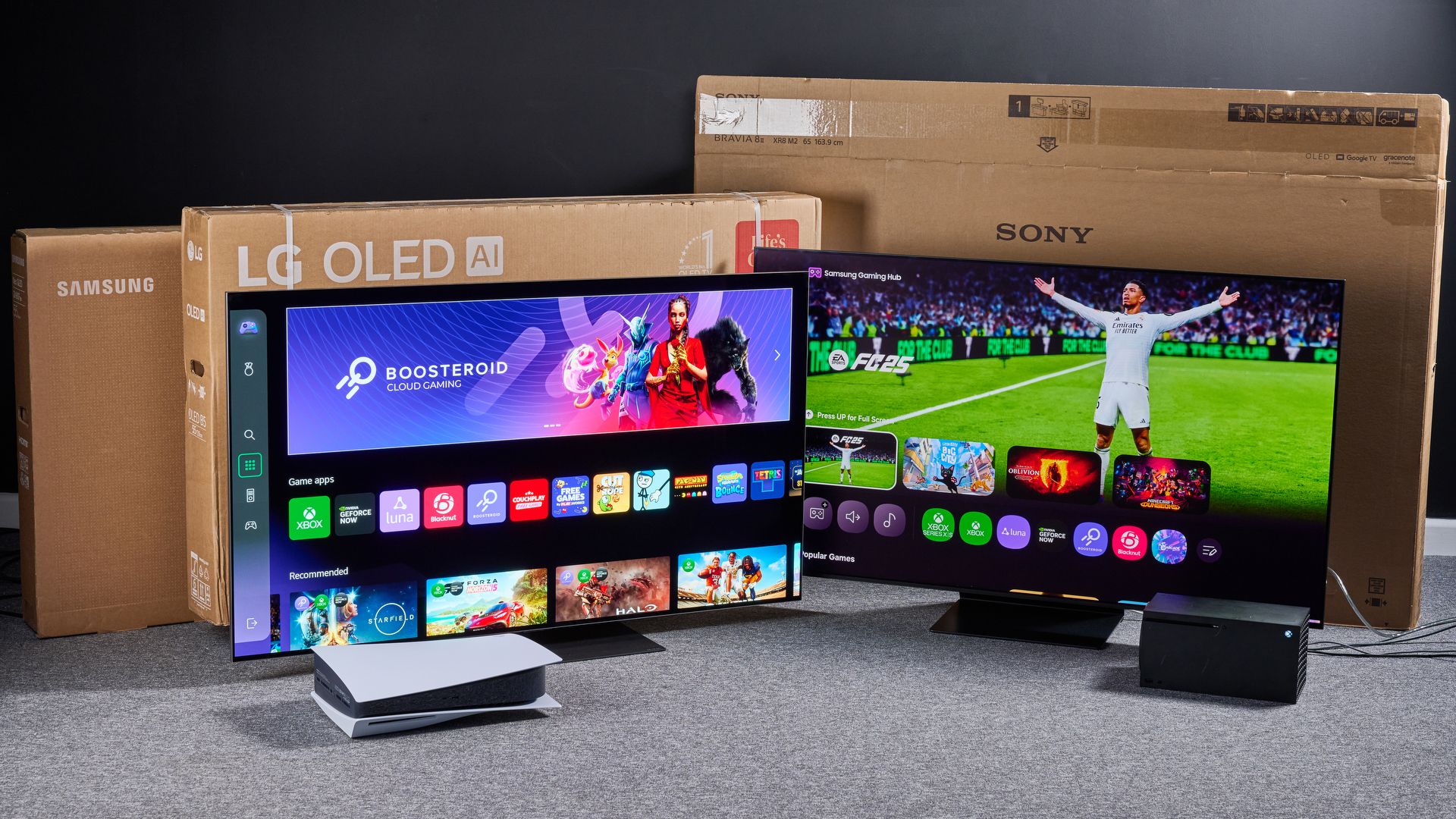
Today's market showcases the culmination of this multi-decade hardware evolution. Modern testing labs evaluate premium organic light-emitting diode panels and advanced mini-LED backlights that deliver dazzling contrast, deep black levels, and rapid refresh rates tailored for both cinematic viewing and high-frame-rate gaming. Industry analysts observe that light-emitting diodes are gradually giving way to advanced self-emissive configurations, while integrated web functions and streaming applications have transformed the television set from a simple broadcast receiver into a central household hub.
What happens next in the consumer display market remains tied to ongoing advancements in processor-driven image scaling and panel efficiency. As manufacturers refine artificial intelligence processors to enhance older content and push peak brightness higher, consumers continue bidding farewell to the heavy, curved glass of the past. Readers seeking further developments in home entertainment standards can explore ongoing culture coverage for continuing updates on consumer technology shifts.
How significant is this development?
Contribute your assessment to the aggregated reader sentiment ledger.
Frequently Asked Questions
Key questions answered in this reportWhat is the key development in: Television sets transition globally from CRT to flat-screen displays?
The global living room has undergone a sweeping transformation as bulky cathode-ray tube displays recede into history, replaced by modern flat-panel innovations.
Why is this Culture development significant for the UK?
This report covers critical events in our Culture beat. Independent reporting monitors related UK statements, regulatory shifts, and public responses as further verified details emerge.
How was this reporting corroborated and verified?
Newsarchy UK compiles and cross-references reporting from primary reporting from techradar.com and cross-checked wire reports. All coverage adheres to published editorial standards.
When was this report published?
This briefing was published on October 19, 2026 and is permanently cataloged in the Newsarchy UK Culture archives.