Andy Burnham asks Labour to allow his return to Parliament in by-election
Andy Burnham is seeking to re-enter the House of Commons following the resignation of Andrew Gwynne, triggering a potential selection process for Labour.
- Core Development: Andy Burnham is seeking to re-enter the House of Commons following the resignation of Andrew Gwynne, triggering a potential selection process for Labour.
- Beat Context: Categorized under Politics with independent corroboration.
- Reporting Depth: 3 minute analytical read synthesized from verified newsroom sources.
The by-election was necessitated by the departure of the sitting representative, Andrew Gwynne. Mr. Gwynne confirmed his resignation from Parliament on health grounds on 22 January 2026. This vacancy has provided a path for Mr. Burnham, who has long been discussed as a primary figure in future leadership successions, to re-enter the House of Commons. For such a move to proceed, however, Mr. Burnham must first secure approval from the Labour Party’s National Executive Committee (NEC).
The Path to Selection
The process facing Mr. Burnham is multi-layered. Having submitted his request to the NEC by the designated deadline of 24 January 2026, he now faces a series of potential obstacles:
- NEC Approval: The committee, which includes a mix of regional and constituency representatives, must grant him permission to even enter the selection process.
- Shortlisting: Mr. Burnham must pass an interview panel consisting of five members. Observers have noted that this stage could be difficult given the current composition of the committee, which is reportedly aligned with the Prime Minister.
- Member Selection: Should he reach the shortlist, he would require the backing of local Constituency Labour Party members.
- General Election: Finally, any chosen candidate must win the seat in a contest now characterized as a three-way marginal race between Labour, the Green Party, and Reform UK.
The backdrop to this maneuver involves significant internal friction. While some Labour MPs have voiced support for his candidacy, including Chris Webb, Kim Johnson, Nadia Whittome, Karl Turner, Kate Osborne, and Tony Vaughan, there is vocal opposition to any perceived interference from Downing Street. Jo White, chair of the Red Wall group of Labour MPs, explicitly warned against a "London stitch-up," urging the party to allow the North to decide its own representative.
In his letter to the NEC, Mr. Burnham framed his return as a necessary response to a "direct threat" posed by "a brand of politics which seeks to pit people against each other," specifically referencing the influence of Reform UK. He emphasized that his intention is to support the work of the government rather than undermine it, a message he stated has been communicated to the Prime Minister.
Wider Context of By-Election Activity
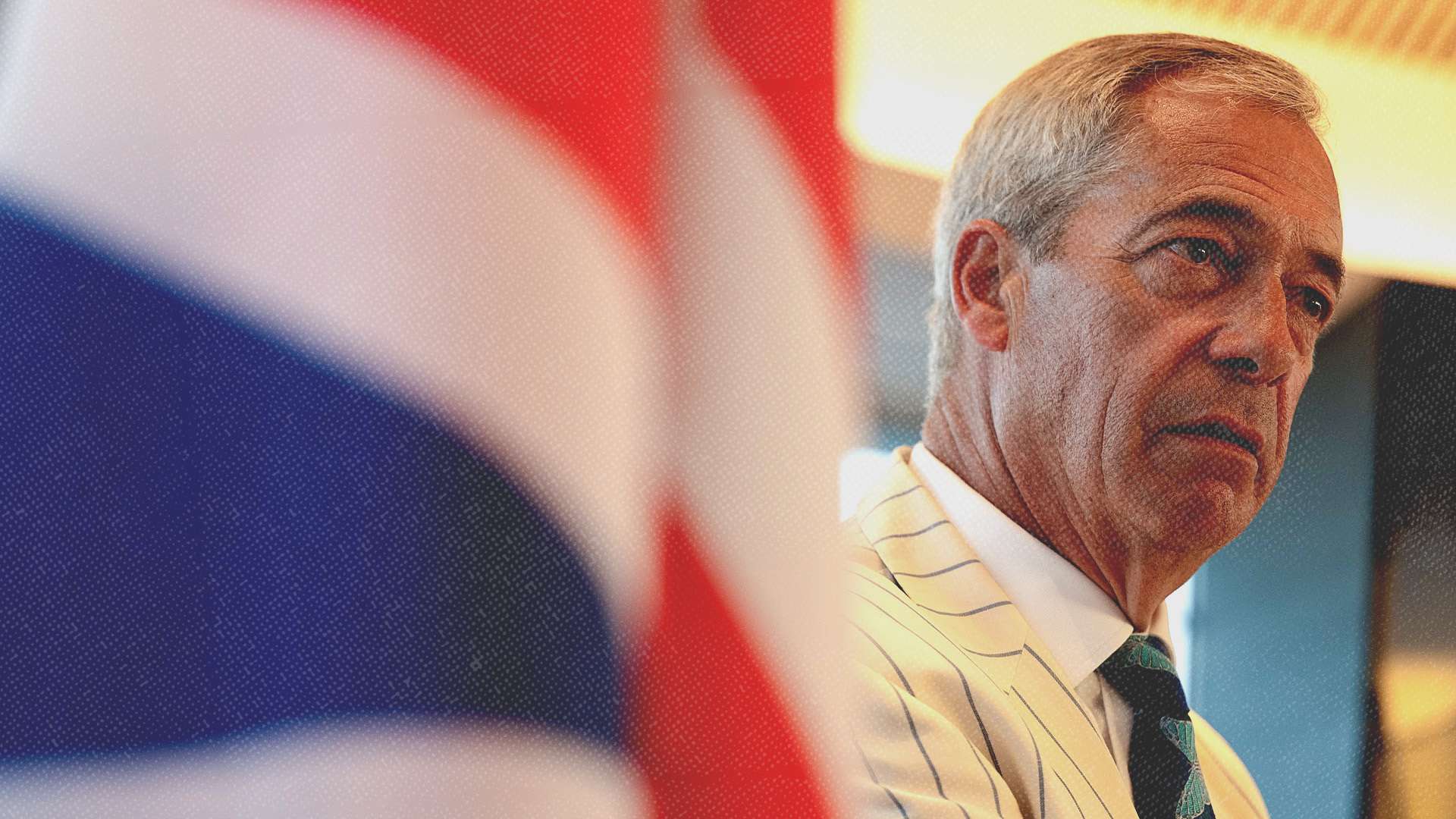
The Gorton and Denton contest coincides with a volatile period in British parliamentary politics. Recently, Nigel Farage resigned his seat in Clacton, triggering his own by-election. While Mr. Farage’s move has been criticized as an attempt to evade a parliamentary standards investigation, his actions have contributed to an atmosphere where electoral cycles are increasingly being utilized for strategic and political maneuvering.
The Reason report notes that this trend of treating constitutional conventions as political tools is becoming more frequent across the spectrum.
What to Watch Next
The immediate concern for Labour strategists is the potential for the by-election to serve as a proxy conflict for the party's future direction. High-profile figures have taken divergent approaches to the news. Sadiq Khan, the Mayor of London, stated at the Fabian Society conference that if Andy Burnham wants to be a member of Parliament, Andy Burnham should be allowed to be a member of Parliament
, promising to assist with local campaigning. Conversely, reports suggest that allies of Sir Keir Starmer remain wary that Mr. Burnham’s return could destabilize the government.
As the NEC deliberates on whether to grant the necessary waiver, the party faces a tight window before the by-election proceeds. Whether the national leadership blocks a potential rival or allows the local selection process to run its course remains the dominant question in Westminster. Further updates on the NEC’s decision are expected to dictate the next phase of the campaign.
How significant is this development?
Contribute your assessment to the aggregated reader sentiment ledger.
Frequently Asked Questions
Key questions answered in this reportWhat is the key development in: Andy Burnham asks Labour to allow his return to Parliament in by-election?
Andy Burnham is seeking to re-enter the House of Commons following the resignation of Andrew Gwynne, triggering a potential selection process for Labour.
Why is this Politics development significant for the UK?
This report covers critical events in our Politics beat. Independent reporting monitors related UK statements, regulatory shifts, and public responses as further verified details emerge.
How was this reporting corroborated and verified?
Newsarchy UK compiles and cross-references reporting from primary reporting from dailymail.com and cross-checked wire reports. All coverage adheres to published editorial standards.
When was this report published?
This briefing was published on July 14, 2026 and is permanently cataloged in the Newsarchy UK Politics archives.