UK PM Andy Burnham considers formal government apology for slave trade
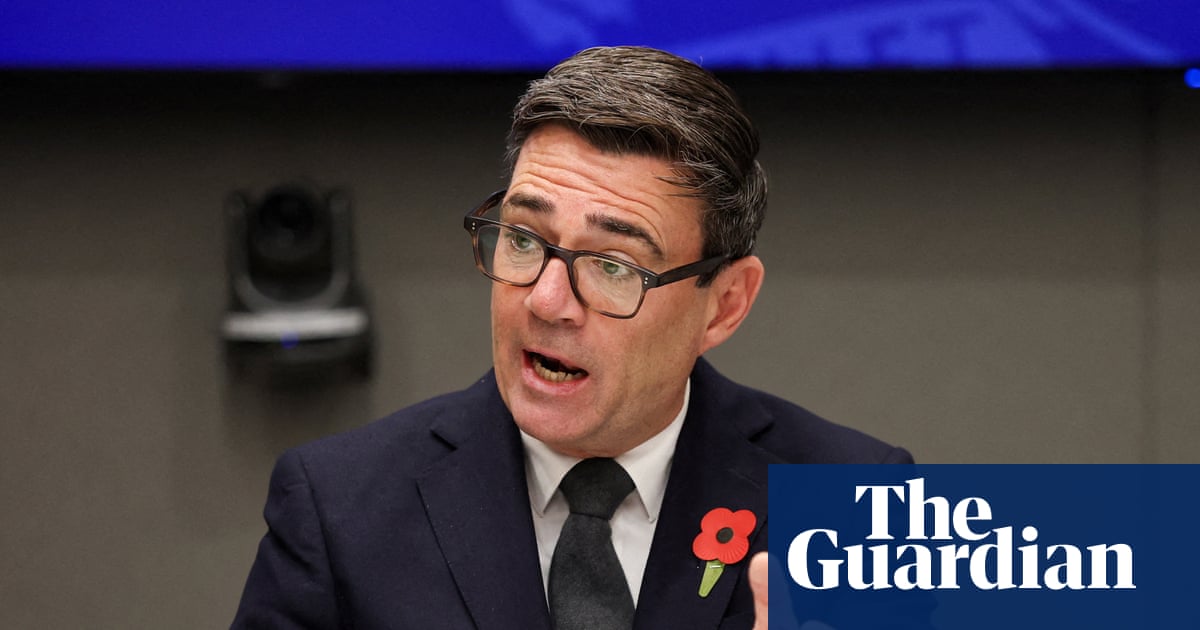
Prime Minister Andy Burnham has signaled that his government is open to considering a formal state apology for Britain's role in the transatlantic slave trade.
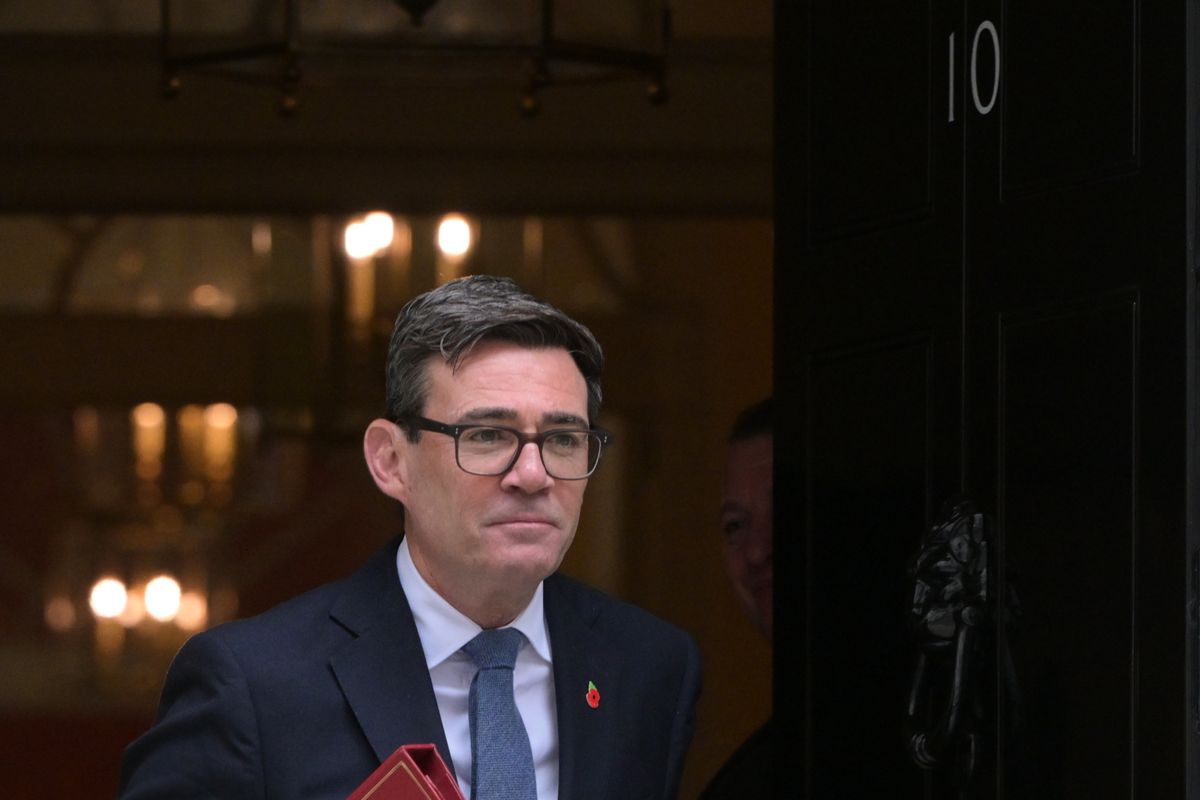
- Core Development: Prime Minister Andy Burnham has signaled that his government is open to considering a formal state apology for Britain's role in the transatlantic slave trade.
- Beat Context: Categorized under Politics with independent corroboration.
- Reporting Depth: 5 minute analytical read synthesized from verified newsroom sources.
Prime Minister Andy Burnham has signaled a historic shift in British foreign and domestic policy by declaring that his government will consider a formal state apology for the nation's role in the transatlantic slave trade, though he firmly ruled out financial reparations. The announcement, detailed in an op-ed published in The Guardian, comes as Downing Street seeks to repair strained diplomatic ties across the Commonwealth ahead of a major leaders' summit in the Caribbean.
Writing ahead of his trip to Antigua and Barbuda for the Commonwealth Heads of Government Meeting (Chogm), Burnham argued that refusing to confront the legacy of slavery has damaged the functioning of the 56-nation association. According to ABC News, the prime minister's comments mark the first time a British government has actively signaled a willingness to consider an official apology. While stopping short of an immediate state apology, Burnham offered his own expressions of sorrow and regret, describing the trade in human lives as a brutal and barbaric violation that still shapes the modern world.
Media additions

The intervention arrives in the shadow of a regional tour by King Charles III, who faced direct calls for apologies and financial compensation during stops in the Bahamas and Guyana. As reported by NBC News, the monarch previously acknowledged past suffering during a visit to Nassau but stopped short of an apology because constitutional convention dictates that the sovereign speaks on behalf of the elected government. With the British government historically maintaining a strict policy against apologies or compensation, Burnham's opening represents a notable departure from past administrations.
Despite opening the door to an apology, Burnham drew a hard line against monetary restitution. I do not think that British people today can be held liable for historical wrongs, however heinous, that happened in a different age under different laws and in which they played no personal part,
Burnham wrote, as cited by Darnews. Instead of financial reparations, the prime minister proposed a structured dialogue alongside a concerted diplomatic drive to help vulnerable developing nations restructure high debt-servicing burdens.
To spearhead this economic initiative, former Prime Minister Gordon Brown will accompany Burnham to the summit, alongside Foreign Secretary Ed Miliband and Chancellor John Healey. According to The Guardian, debt servicing costs for vulnerable Commonwealth countries sit at their highest point in more than two decades, with numerous nations spending more on interest repayments than on healthcare.
Reaction from Caribbean leaders and international advocacy groups was swift and divided. Barbados Prime Minister Mia Mottley thanked Burnham for breaking new ground and recognizing the moral imperative of engagement, noting in a statement reported by The Guardian that honest disagreements on reparations should not hinder broader collaboration on debt relief, education, and renewable energy. Similarly, Antigua and Barbuda Prime Minister Gaston Browne and Jamaica Prime Minister Andrew Holness welcomed the olive branch.
However, other regional figures expressed frustration over the exclusion of financial compensation. Dorbrene O’Marde, chair of the Antigua and Barbuda reparations support commission, told The Guardian that his organization rejected the decision to take financial reparations off the table. Denis O'Brien of The Repair Campaign echoed those sentiments to the Bbc, calling the refusal to offer compensation disappointing and a form of obfuscation.
| Leader / Official | Stance on Apology | Stance on Reparations |
|---|---|---|
| Andy Burnham (UK PM) | Open to calls for a formal state apology via structured dialogue | Rejected financial reparations |
| Mia Mottley (Barbados PM) | Welcomed the openness to an apology | Advocates strongly for reparatory justice |
| Andrew Holness (Jamaica PM) | Welcomed dialogue, referencing a pending Privy Council petition | Seeking legal and financial redress |
| Bell Ribeiro-Addy (APPG Chair) | Noted acknowledgment still falls short of a full state apology | Argued focus on financial figures misses broader aims |
Domestically, the All-Party Parliamentary Group for Afrikan Reparations offered a cautious response. Bell Ribeiro-Addy told the BBC that while the government's willingness to acknowledge historical participation was a step forward, simple acknowledgment is not equivalent to true understanding or an equal footing within the Commonwealth family.
Broader political context also surrounds the announcement. As noted by Darnews, younger and more liberal voters in Britain have pushed for a rigorous re-examination of colonial history, amplified by events such as the 2020 removal of slave trader Edward Colston's statue in Bristol. Simultaneously, geopolitical pressures from global competitors like China and Russia have made strengthening traditional alliances a strategic imperative for Downing Street.
The debate over historical culpability touches deep economic roots within Britain itself. Historical records show that when Parliament passed the Slavery Abolition Act in 1833, plantation owners were heavily compensated for their loss of enslaved human property, a massive public debt that the UK treasury only finished paying off in 2015, according to reporting by the BBC.
The Commonwealth Heads of Government Meeting begins on Sunday, 1 November 2026, and runs through Wednesday, 4 November 2026, in St. John’s, Antigua and Barbuda, where formal sessions are expected to test the limits of the newly offered structured dialogue.
How significant is this development?
Contribute your assessment to the aggregated reader sentiment ledger.
Frequently Asked Questions
Key questions answered in this reportWhat is the key development in: UK PM Andy Burnham considers formal government apology for slave trade?
Prime Minister Andy Burnham has signaled that his government is open to considering a formal state apology for Britain's role in the transatlantic slave trade.
Why is this Politics development significant for the UK?
This report covers critical events in our Politics beat. Independent reporting monitors related UK statements, regulatory shifts, and public responses as further verified details emerge.
How was this reporting corroborated and verified?
Newsarchy UK compiles and cross-references reporting from primary reporting from darnews.com and cross-checked wire reports. All coverage adheres to published editorial standards.
When was this report published?
This briefing was published on October 31, 2026 and is permanently cataloged in the Newsarchy UK Politics archives.