Burnham says he will stand up to Trump ‘if right for Britain’
Prime Minister Andy Burnham has declared he will publicly challenge US President Donald Trump to protect British national interests, setting a firm tone in his first broadcast interviews.
- Core Development: Prime Minister Andy Burnham has declared he will publicly challenge US President Donald Trump to protect British national interests, setting a firm tone in his first broadcast interviews.
- Beat Context: Categorized under Politics with independent corroboration.
- Reporting Depth: 4 minute analytical read synthesized from verified newsroom sources.
Prime Minister Andy Burnham has declared that he will publicly challenge US President Donald Trump whenever necessary to protect British interests, setting a decisive tone for transatlantic relations in his first major broadcast interviews since taking office.
Mr Burnham, who became the UK's seventh prime minister in a decade after succeeding Sir Keir Starmer, held a phone conversation with Mr Trump on a Monday within an hour of arriving in Downing Street. While Downing Street described the conversation as extremely warm
and Mr Trump posted on Truth Social that the new premier has got a big job ahead of him, but he will be able to do it
with a pledge that the US will be there to help
, the British leader refused twice when asked by the BBC’s Laura Kuenssberg whether he trusted the American president.
Media additions
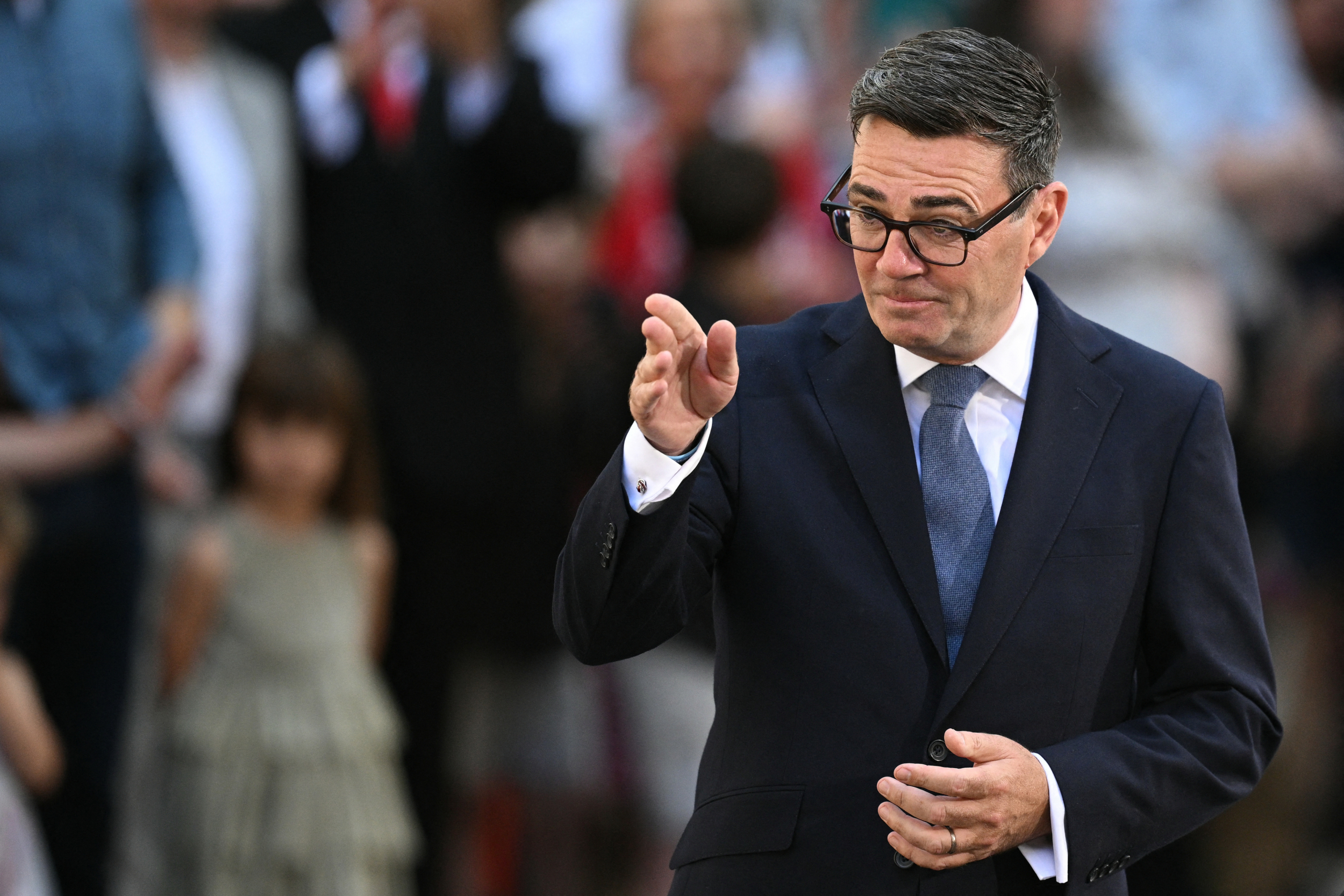

Instead, Mr Burnham drew a firm line on national sovereignty during his appearance on the BBC’s Sunday with Laura Kuenssberg programme.
"I can't at any point say that I won't take a different opinion from him, that I will need to voice a different idea that is right for Britain. You have to defend your own national interest before anything else. That's what you're required to do if you're to do this job properly."
Andy Burnham, Prime Minister, via BBC
The new premier added that he held concern
regarding Mr Trump starting the conflict with Iran, noting that he wouldn't hold back from saying what I think is right
. Relations between Washington and the previous UK government had grown increasingly fractious over the Iran conflict after Britain initially refused to allow US forces to use bases for offensive attacks on the regime.
The stance won cautious backing across the political aisle. Shadow Home Secretary Chris Philp stated, according to International Business Times reporting:
"Clearly, the US is a long standing ally. We need to have good relations with them but if they do something we disagree with, we should honestly say so."
Chris Philp, Shadow Home Secretary, via International Business Times
Defence policy dominated much of Mr Burnham’s opening weekend of media scrutiny. He declined to set a timetable for raising the nation's defence spending to three per cent of GDP, leaving open questions about how his administration will meet international obligations. His Chancellor, John Healey, had previously resigned as Sir Keir's defence secretary over disagreements over the issue.
Mr Burnham noted that he appointed Mr Healey with full awareness of that stance. The first challenge facing us both is to ensure that the defence investment plan is fully funded and that's the thing that's right in front of us and we need to work that through as we go towards the budget later this year,
the Prime Minister said.
New Defence Secretary Wes Streeting echoed those assurances during an appearance on Sky News’ Sunday morning show with Sir Trevor Phillips, insisting that the necessary funds would be found. Mr Streeting also engaged in a discussion with US counterpart Pete Hegseth regarding a potential international conference involving UK and US allies, though formal details remain unconfirmed.
In addition to foreign policy and defence, Mr Burnham used his media rounds to address domestic political speculation by explicitly ruling out an early general election before 2029. There's no early general election. I don't think people want it,
he told the BBC, adding that his priority is getting the country back where it should be
under the mandate of the 2024 manifesto.
The transition of power in Downing Street has already triggered significant restructuring within the broader party apparatus. Anas Sarwar resigned as Scottish Labour leader after accepting a ministerial role in Mr Burnham’s administration and is expected to receive a peerage to enter the House of Lords. His departure has sparked a leadership contest in Scotland, with figures such as Monica Lennon entering the race alongside MSPs Michael Marra, Daniel Johnson, and Paul Sweeney.
Key Developments Under the New Administration
- US Relations: Burnham held a 20-minute phone call with Donald Trump, vowing to publicly disagree with the US president when British national interests demand it.
- Defence Funding: The Prime Minister declined to set a firm date for reaching three per cent of GDP on defence, tasking Chancellor John Healey with fully funding the existing defence investment plan ahead of the budget.
- General Election: Burnham definitively ruled out an early election before 2029, stating voters want stability.
- Scottish Labour: Anas Sarwar stepped down as Scottish Labour leader to join the UK government, triggering a leadership contest in Holyrood.
Government officials and international allies are preparing for further diplomatic engagements as the UK and US plan to convene a high-level meeting concerning maritime security and safe passage through the Hormuz Strait. Meanwhile, the Treasury faces scrutiny from analysts over how it intends to balance high public debt and G7-leading borrowing costs while funding defence shortfalls and domestic proposals.
How significant is this development?
Contribute your assessment to the aggregated reader sentiment ledger.
Frequently Asked Questions
Key questions answered in this reportWhat is the key development in: Burnham says he will stand up to Trump ‘if right for Britain’?
Prime Minister Andy Burnham has declared he will publicly challenge US President Donald Trump to protect British national interests, setting a firm tone in his first broadcast interviews.
Why is this Politics development significant for the UK?
This report covers critical events in our Politics beat. Independent reporting monitors related UK statements, regulatory shifts, and public responses as further verified details emerge.
How was this reporting corroborated and verified?
Newsarchy UK compiles and cross-references reporting from primary reporting from aol.com and cross-checked wire reports. All coverage adheres to published editorial standards.
When was this report published?
This briefing was published on July 27, 2026 and is permanently cataloged in the Newsarchy UK Politics archives.