Andy Burnham vows to open Number 10 in Manchester
MP Andy Burnball urged a shift from top‑down to bottom‑up growth and called for deeper devolution in Scotland, Wales and Northern Ireland, including localised employment support.
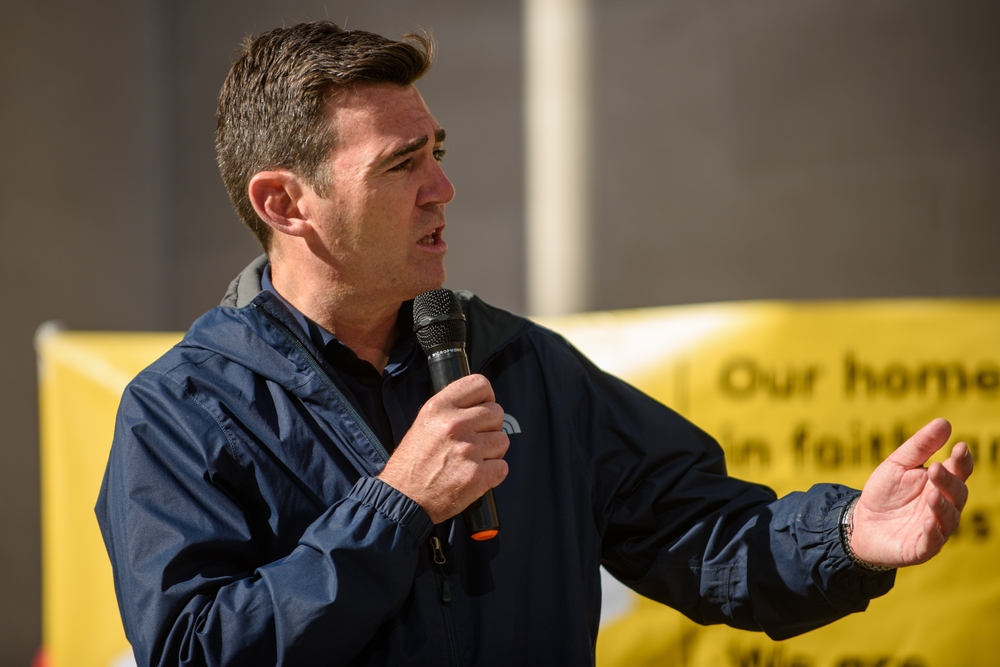
- Core Development: MP Andy Burnball urged a shift from top‑down to bottom‑up growth and called for deeper devolution in Scotland, Wales and Northern Ireland, including localised employment support.
- Beat Context: Categorized under Politics with independent corroboration.
- Reporting Depth: 3 minute analytical read synthesized from verified newsroom sources.
Andy Burnham has vowed to decentralise power and open a second prime ministerial office in Manchester, framed around a push to power up all parts of the UK. According to NewStartMag reporting, the Makerfield MP set out his plans after winning the Makerfield byelection. He spoke at the People’s History Museum, describing the proposal as the biggest change in the country's governance in a lifetime. The initiative, referred to as Number 10 North
, aims to drive change from the prime minister's office with an extended operation based in Manchester, directing power into the Midlands, the South West, the East of England, and London.
Concentrating decision-making power in Whitehall has blocked progress in Manchester, according to the accounts. Burnham argued that growth cannot be ordered from the top down and must instead be nurtured from the bottom up. While precise distributions to specific areas were not fully detailed, he suggested that regions could receive greater control over services such as water, energy, and transport.
Media additions
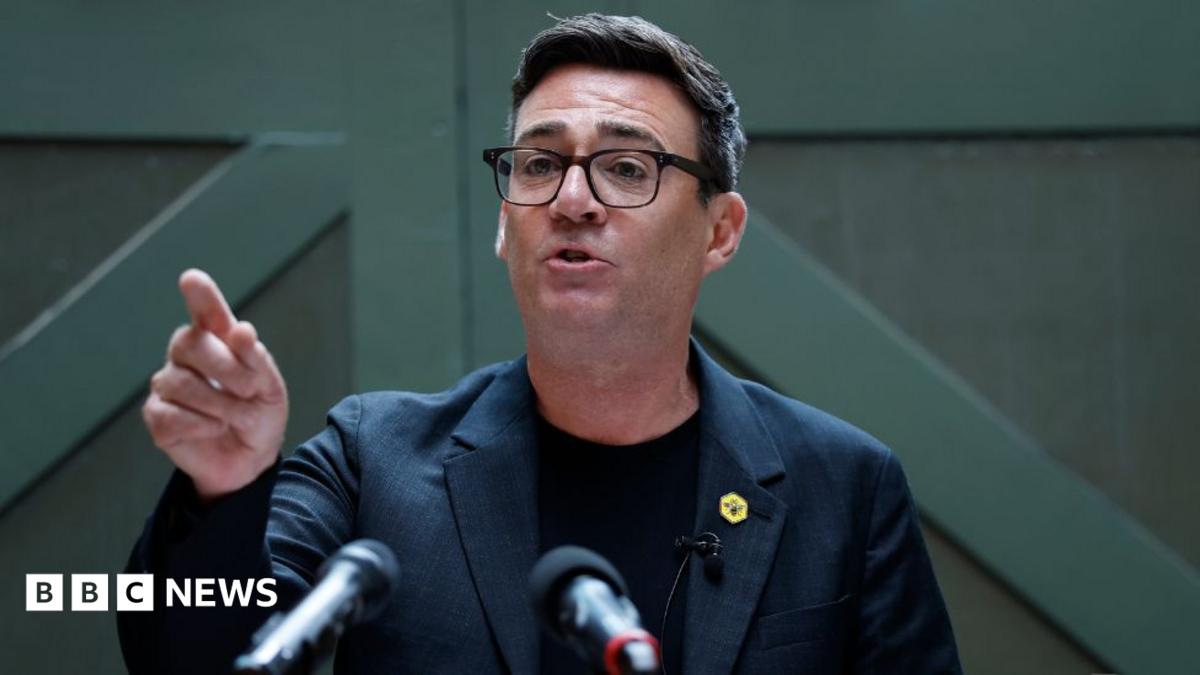

Devolution across the nations
In a later address delivered at New College Lanarkshire in Motherwell, Burnham proposed expanding devolved powers to Scotland, Wales, and Northern Ireland. He described Scotland as one of the most centralised nations in Europe and suggested that the Department for Work and Pensions' employability programmes could be handed to Holyrood. According to BBC reporting, he remarked that the people of Dundee and Bangor feel just as distant from Holyrood and the Senedd as they do from Westminster.
The proposed welfare-to-work transfer would allow Scotland to design localised employment support tailored to its labour market needs. Scottish Economy Secretary Stephen Flynn confirmed that First Minister John Swinney dispatched a formal letter to Downing Street listing employability powers as a key priority, as reported by Streamlinefeed.
The devolution pitch drew varied reactions from political figures. SNP Westminster Leader Dave Doogan criticised the proposals, while Scottish Conservative leader Russell Findlay warned against handing additional control to the Scottish government. Scottish Green local government spokesperson Kristopher Leask characterised the address as big on rhetoric but short on policy.
Energy policy and environmental reviews
Alongside regional governance, the administration faces decisions regarding the Jackdaw and Rosebank North Sea fossil fuel projects. The developments were initially approved by the previous Conservative administration before courts mandated a reassessment of downstream environmental impacts. Scottish Secretary Douglas Alexander noted that the previous administration made a mess of the approval process, which ended up in court.
Energy Secretary Miatta Fahnbulleh indicated that a ruling on the Jackdaw field is imminent, while the Rosebank development requires additional time. Environmental groups have urged a total rejection of the projects, whereas industry bodies and offshore unions warn that blocking them could threaten jobs and increase reliance on imported liquefied natural gas.
Stakeholder perspectives
Local government and economic experts have offered cautious assessments of the broader regional agenda. Local Government Information Unit chief executive Jonathan Carr-West stated that local government is the operational frontline of the state and remains close to collapse without proper council capacity. Joseph Rowntree Foundation chief economist Chris Belfield highlighted living standard concerns, noting that household incomes are expected to fall.
Laura Hughes of Browne Jacobson argued that genuine fiscal autonomy over taxation and revenue is essential for devolution to deliver meaningful change in areas like transport, skills, and housing.
The coming weeks will see the government finalise environmental impact assessments for Jackdaw and Rosebank, while stakeholders continue to monitor how Number 10 North will be staffed and funded.
How significant is this development?
Contribute your assessment to the aggregated reader sentiment ledger.
Frequently Asked Questions
Key questions answered in this reportWhat is the key development in: Andy Burnham vows to open Number 10 in Manchester?
MP Andy Burnball urged a shift from top‑down to bottom‑up growth and called for deeper devolution in Scotland, Wales and Northern Ireland, including localised employment support.
Why is this Politics development significant for the UK?
This report covers critical events in our Politics beat. Independent reporting monitors related UK statements, regulatory shifts, and public responses as further verified details emerge.
How was this reporting corroborated and verified?
Newsarchy UK compiles and cross-references reporting from primary reporting from streamlinefeed.co.ke and cross-checked wire reports. All coverage adheres to published editorial standards.
When was this report published?
This briefing was published on October 16, 2026 and is permanently cataloged in the Newsarchy UK Politics archives.


