UK faces £41bn EU membership bill and new tax if it rejoins bloc
New calculations from the Bow Group warn that any UK return to the EU could cost up to £41 billion, sparking intense political debate over costs.

- Core Development: New calculations from the Bow Group warn that any UK return to the EU could cost up to £41 billion, sparking intense political debate over costs.
- Beat Context: Categorized under Politics with independent corroboration.
- Reporting Depth: 3 minute analytical read synthesized from verified newsroom sources.
According to calculations produced by the Bow Group, any potential re-entry into the European Union would see the UK's gross financial contribution range between £28billion and £41billion. This represents a steep escalation from the historical baseline, which included a £14.4billion contribution paid in 2019. Further historical context provided by the House of Commons Library records that in 2016—the year the UK voted to leave the EU—the nation made a gross contribution of £13.1billion alongside a net contribution of £9.6billion.
The driving assumption behind the higher modern estimate is that Brussels would refuse to restore the permanent rebate originally negotiated by Margaret Thatcher. Ben Harris-Quinney, chair of the Bow Group, argued that the Labour party is quietly steering the country back toward membership. He cautioned that a return would bring far greater costs, potential requirements to join the euro, heavier regulation, and decades of uncontrolled borders. Those concerns were echoed by Lord Redwood, a former aide to Thatcher, who issued a stark warning regarding domestic taxation and market stability.
Media additions
"The UK would need to impose a large new tax; we cannot afford to go in. We would worry markets more with yet more borrowing. The last thing we need is yet more spending and laws from Brussels."
Lord Redwood, former aide to Margaret Thatcher, via Express
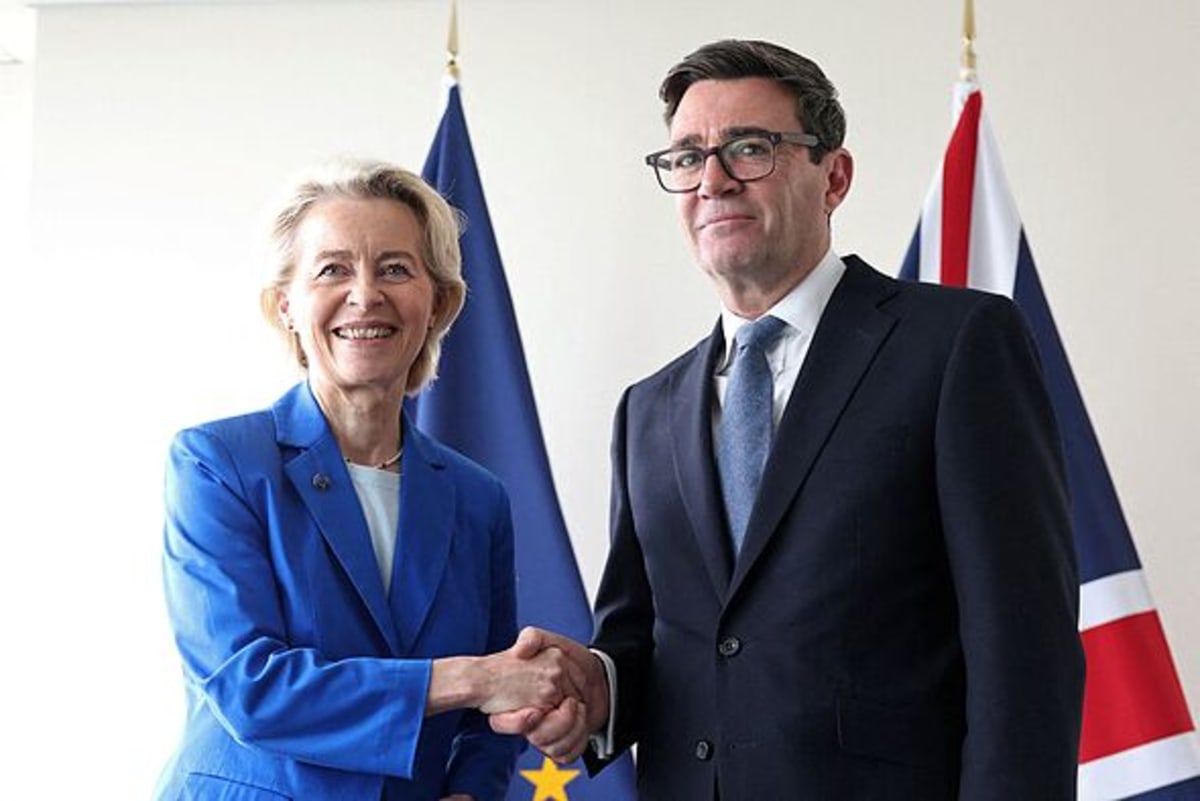
The debate has also drawn commentary from international figures regarding the bloc's financial motivations. When Czech Prime Minister Andrej Babis was asked if he would support the return of Britain to the EU, he stated his agreement explicitly, noting that the bloc needs more money. That sentiment drew sharp criticism within Westminster, particularly concerning political figures such as Andy Burnham. Conservative shadow foreign minister Wendy Morton criticized the approach, arguing that resources should be directed toward domestic priorities rather than financing European budgets.
"Andy Burnham can't find the cash to fund our defence, yet he seems comfortable with the idea of handing over billions to Brussels. Instead of trying to turn back the clock to 2016, he should focus on a plan for taking the country forward."
Wendy Morton, Conservative shadow foreign minister, via Express
Further opposition has come from Reform UK, whose spokesperson argued that reopening the Brexit debate would betray the 17.4 million citizens who voted to leave. The party warned that re-entry would shackle the nation to a declining global economic bloc, reduce Britain to a rule-taker once again, and jeopardize £164billion worth of post-Brexit trade agreements. David Campbell Bannerman, a former MEP and former deputy leader of UKIP, went further, describing re-entry as totally unaffordable and asserting that anyone attempting to rejoin should face prosecution for misconduct in public office.
In sharp contrast, pro-European organizations have dismissed the Bow Group's financial modeling. A spokesperson for Best for Britain argued that it was unlikely the UK would be entirely denied some form of rebate, labeling the £41billion projection an inaccurate reflection of taxpayer costs. The pro-EU group stated that calculating gross contributions without accounting for economic offsets is akin to submitting a tax return without listing business expenses. They point instead to a projected £92billion GDP growth figure tied to membership, suggesting that businesses dealing with red tape and voters facing living cost pressures will note that pro-Brexit voices are finally addressing the membership prospect seriously.
| Metric / Contributor | Historical / Projected Figure | Source Reference |
|---|---|---|
| 2016 Gross Contribution | £13.1 billion | House of Commons Library |
| 2016 Net Contribution | £9.6 billion | House of Commons Library |
| 2019 Gross Contribution | £14.4 billion | The Bow Group |
| Projected Gross Re-entry Cost | £28 billion to £41 billion | The Bow Group |
| Threatened Post-Brexit Trade | £164 billion | Reform UK |
| Projected Membership GDP Growth | £92 billion | Best for Britain |
Government representatives have sought to distance official policy from both ends of the heated spectrum. A Government spokesperson addressed the figures directly, dismissing them as entirely speculative while emphasizing that current efforts are focused on building an ambitious and close relationship with European neighbors to strengthen the domestic economy and expand opportunities for communities across the UK.
How significant is this development?
Contribute your assessment to the aggregated reader sentiment ledger.
Frequently Asked Questions
Key questions answered in this reportWhat is the key development in: UK faces £41bn EU membership bill and new tax if it rejoins bloc?
New calculations from the Bow Group warn that any UK return to the EU could cost up to £41 billion, sparking intense political debate over costs.
Why is this Politics development significant for the UK?
This report covers critical events in our Politics beat. Independent reporting monitors related UK statements, regulatory shifts, and public responses as further verified details emerge.
How was this reporting corroborated and verified?
Newsarchy UK compiles and cross-references reporting from primary reporting from express.co.uk and cross-checked wire reports. All coverage adheres to published editorial standards.
When was this report published?
This briefing was published on October 17, 2026 and is permanently cataloged in the Newsarchy UK Politics archives.


