Ghent University reinstates Nathan Cofnas following US state department pressure
Ghent University has reinstated Nathan Cofnas after US diplomatic intervention, sparking fierce debate over academic freedom and foreign interference.
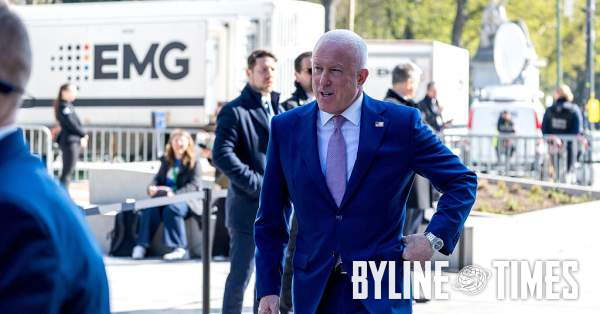
- Core Development: Ghent University has reinstated Nathan Cofnas after US diplomatic intervention, sparking fierce debate over academic freedom and foreign interference.
- Beat Context: Categorized under Politics with independent corroboration.
- Reporting Depth: 3 minute analytical read synthesized from verified newsroom sources.
Ghent University has reinstated Nathan Cofnas following direct diplomatic pressure from the United States State Department, a development that has exposed deep fractures over academic freedom, foreign intervention, and race science across Europe and North America.
The sequence of events unfolded after Bylinetimes reported that the US Government appeared to intervene directly on Cofnas' behalf. Bill White, the US Ambassador to Belgium, posted publicly that after speaking with all parties, Ghent University and Cofnas had amicably reached an agreement to lift the suspension. Cofnas expressed personal gratitude to the ambassador for providing great support that helped bring about a just outcome.
Media additions
The diplomatic maneuver drew immediate internal pushback. Tijl De Bie, a professor of artificial intelligence at Ghent who opposed the initial disciplinary action against Cofnas, condemned the resolution as scandalous blackmail by a foreign state. De Bie warned that the outcome represented a defeat for academic freedom as a principle and a victory for American imperialism.
Cofnas originally triggered controversy through accusations of plagiarism against Jason Arday. Arday resigned from the University of Cambridge, and was later found dead, with his family stating he had been the target of a campaign of harassment. Writing in The Guardian, Jason Okundaye noted that Arday had faced intense scrutiny over his academic credentials and life story before stepping aside to preserve his wellbeing.
| Key Figure | Institutional Affiliation | Core Development |
|---|---|---|
| Nathan Cofnas | Ghent University | Reinstated under strict remote-work conditions following diplomatic pressure. |
| Jason Arday | University of Cambridge | Resigned from professorial post following intense scrutiny and plagiarism allegations. |
| Bill White | US Embassy, Belgium | Confirmed via public statements that he spoke with parties to secure an agreement. |
The reinstatement terms imposed by Ghent University are exceptionally restrictive. Cofnas must perform all work exclusively via telework, with physical presence on campus permitted only with express permission. He remains barred from teaching, grading exams, and advising students. Furthermore, his research must remain strictly confined to his appointed topic, "The Future of Liberalism," with explicit prohibitions against conducting or affiliating research on race realism or the hereditarian revolution with the university. These measures apply initially for three months, subject to potential extension.
Reactions to the decision have cleaved into distinct ideological factions. Supporters of Cofnas' views on race science have treated the reversal as vindication. Concurrently, other commentators and academics have amplified his media appearances, including a podcast interview recorded at a Westminster workspace run by a Reform UK donor, where Cofnas argued that ignoring natural group differences forces society to blame mystical injustice for inequality.
Critics point out that the fallout from these events intersects with wider debates across the politics sector regarding institutional safeguards, free speech limits, and the influence of transatlantic political networks. Observers note that the episode highlights the vulnerability of higher education institutions when caught between domestic disciplinary procedures and external geopolitical pressure.
As the academic community digests the terms of the settlement, attention turns to whether Ghent University will enforce the three-month review window strictly or extend the telework restrictions further as international scrutiny persists.
How significant is this development?
Contribute your assessment to the aggregated reader sentiment ledger.
Frequently Asked Questions
Key questions answered in this reportWhat is the key development in: Ghent University reinstates Nathan Cofnas following US state department pressure?
Ghent University has reinstated Nathan Cofnas after US diplomatic intervention, sparking fierce debate over academic freedom and foreign interference.
Why is this Politics development significant for the UK?
This report covers critical events in our Politics beat. Independent reporting monitors related UK statements, regulatory shifts, and public responses as further verified details emerge.
How was this reporting corroborated and verified?
Newsarchy UK compiles and cross-references reporting from primary reporting from bylinetimes.com and cross-checked wire reports. All coverage adheres to published editorial standards.
When was this report published?
This briefing was published on September 7, 2026 and is permanently cataloged in the Newsarchy UK Politics archives.