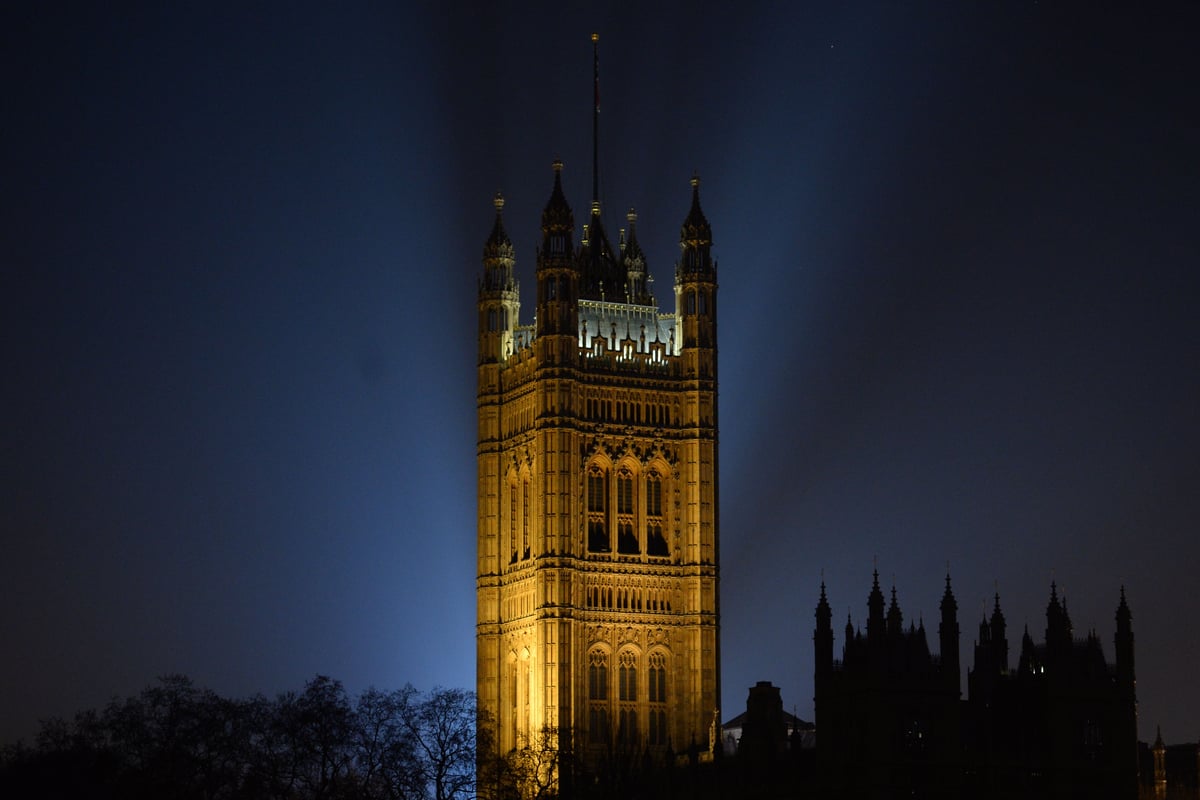
Houses of Parliament at risk of Notre Dame-style fire as renovation costs rise
A parliamentary report warns that the Palace of Westminster faces severe structural risks and potential catastrophic fires due to political delays.
- Core Development: A parliamentary report warns that the Palace of Westminster faces severe structural risks and potential catastrophic fires due to political delays.
- Beat Context: Categorized under Politics with independent corroboration.
- Reporting Depth: 3 minute analytical read synthesized from verified newsroom sources.
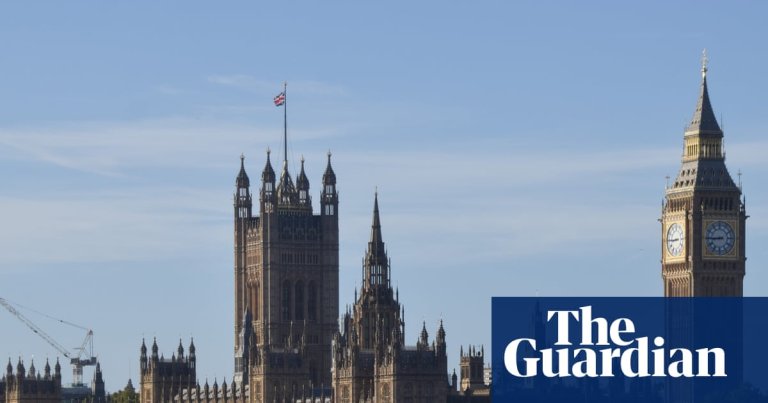
The Houses of Parliament face an escalating threat of a catastrophic disaster, including a destructive blaze akin to the 2019 Notre Dame cathedral fire in Paris, as repeated political delays drive up maintenance bills and leave the historic estate vulnerable to structural failure. According to a parliamentary report published on Wednesday, 4 November 2026, lawmakers on the cross-party Commons Public Accounts Committee (PAC) warned that without immediate funding decisions for comprehensive restoration, the Grade I-listed and UNESCO World Heritage site will, at best, crumble into managed decline.
The stark warning underscores years of institutional hesitation and political deadlock over how to repair the aging Victorian estate. MPs originally voted to vacate Parliament for extensive repairs in 2018, but subsequent disagreements over methodology, temporary relocation sites, and escalating budgets have brought the process to a standstill. Sir Geoffrey Clifton-Brown, the Conservative MP who chairs the PAC, criticized what he termed a political allergy to making decisions, warning that procrastination carries immense financial and reputational penalties.
Media additions

"Each kick of the can down the road costs hundreds of millions in public money,"
Sir Geoffrey Clifton-Brown, Chair of the Public Accounts Committee, via Channel 103
Sir Geoffrey urged parliamentarians considering further delays to contemplate the global fallout of disastrous structural failures. He warned against ignoring the prospect of rolling news footage capturing flames leaping from the building's roof, or the operational humiliation of the chamber losing power during a state opening. Day-to-day operations on the estate are currently sustained by round-the-clock fire patrols, makeshift scaffolding protecting crumbling masonry, and constant patching of archaic plumbing and outdated electrical systems.
The financial implications of inaction are severe. Current maintenance operations cost approximately £1.5m weekly, a figure expected to rise to £2m as systems degrade further. Independent estimates cited indicate that the total ultimate cost for restoring the Palace of Westminster could reach as high as £40bn over a multi-decade timeline. Refurbishment discussions have centered on narrowing down initial proposals to two primary paths forward:
| Refurbishment Proposal | Estimated Cost | Projected Duration | Key Relocation Details |
|---|---|---|---|
| Full Decant | Up to £15.6bn | Up to 24 years | Commons moves to Richmond House, Lords to QEII Centre; northern estate buildings utilized. |
| Staged Decant | About £39.2bn | 38 to 61 years | Commons moves into the Lords chamber for up to two years; staged execution across decades. |
The PAC report also raised specific concerns regarding the proposed temporary accommodation. Committee members questioned whether temporary facilities—such as refurbishing the QEII conference centre for £417m and spending roughly £2bn to prepare the northern part of the estate—represent excessive expenditure compared to international benchmarks, noting that Canada installed a temporary parliamentary chamber for significantly less capital. Furthermore, committee members cautioned that temporary sites may not even be ready by the time lawmakers are scheduled to leave the palace under current timetables, which point toward 2032.
Governance of the restoration programme itself was criticized as overly complex, prompting recommendations for a new restoration and renewal select committee to hold senior officials accountable. The PAC recommended that the clerks of the Commons and the Lords present a robust engagement plan within six months, alongside tighter cost estimates and a firm timetable to guide a definitive vote on the main project by 2030.
A parliamentary spokesperson responded to the findings by stating that ongoing safety work is actively managed across the estate to protect staff and visitors. However, as debates over public spending and structural preservation intensify against the backdrop of broader economic pressures, MPs and peers face mounting pressure to bridge their divisions before physical degradation outpaces political consensus.
How significant is this development?
Contribute your assessment to the aggregated reader sentiment ledger.
Frequently Asked Questions
Key questions answered in this reportWhat is the key development in: Houses of Parliament at risk of Notre Dame-style fire as renovation costs rise?
A parliamentary report warns that the Palace of Westminster faces severe structural risks and potential catastrophic fires due to political delays.
Why is this Politics development significant for the UK?
This report covers critical events in our Politics beat. Independent reporting monitors related UK statements, regulatory shifts, and public responses as further verified details emerge.
How was this reporting corroborated and verified?
Newsarchy UK compiles and cross-references reporting from primary reporting from dailydigest.com and cross-checked wire reports. All coverage adheres to published editorial standards.
When was this report published?
This briefing was published on November 4, 2026 and is permanently cataloged in the Newsarchy UK Politics archives.