COP31 explained: Why the Türkiye climate summit matters
As diplomats gather in Antalya for COP31, the summit faces intense scrutiny over record global temperatures, climate finance shortfalls, and fossil fuel policies.

- Core Development: As diplomats gather in Antalya for COP31, the summit faces intense scrutiny over record global temperatures, climate finance shortfalls, and fossil fuel policies.
- Beat Context: Categorized under Weather with independent corroboration.
- Reporting Depth: 4 minute analytical read synthesized from verified newsroom sources.
Diplomats, researchers, and climate advocates are gathering in Antalya, Türkiye, for the COP31 climate conference, running from 9-20 November 2026, as outlined by Science Media Centre reporting. This year's summit arrives at a critical juncture for global climate policy, characterized by rising global temperatures, acute funding gaps, and intensifying debates over fossil fuel reliance. With the United Nations acknowledging that the planet is on course to breach the 1.5 °C warming threshold, the pressure on national governments to translate diplomatic pledges into concrete action has never been higher.
The summit operates under an unprecedented shared-leadership framework designed to break historical gridlock. Türkiye secured hosting rights to elevate its profile as a mediator between developed and developing nations, with Murat Kurum serving as President-Designate, according to Pressenza. Meanwhile, Australia leads the official negotiations under Minister for Climate Change and Energy Chris Bowen, partnering with Pacific Island nations to amplify the voices of frontline communities threatened by sea-level rise.
Media additions
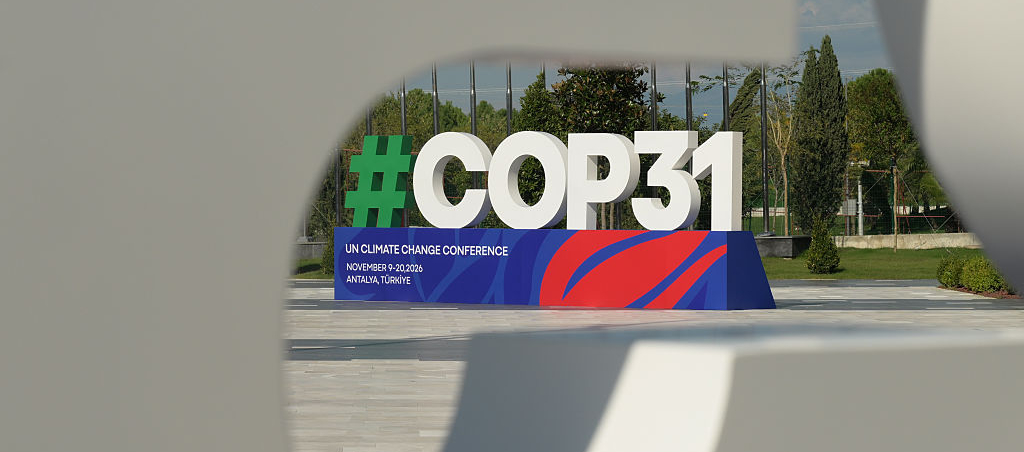

Both Turkey and Australia originally submitted competing bids to host COP31 back in 2022, leading to a stalemate when neither nation would withdraw. At the previous summit in Belém, the two countries agreed to split responsibilities and divide leadership. While this dual arrangement aims to reduce negotiation gridlock and bring diverse perspectives to the table, it has also drawn sharp criticism from environmental watchdogs. Amnesty International notes that both co-hosts face internal contradictions. Türkiye continues to rely on coal and pursues fossil gas, risking a lock-in to a high-emissions pathway, while Australia continues to support fossil fuel extraction and use at home. Pacific communities have likewise expressed anxiety that the joint presidency might dilute the focus on the existential threats facing Small Island Developing States.
The negotiations unfold against a grim scientific backdrop. October 2026 was recorded as the warmest globally on the instrumental record, keeping the planet above the critical warming threshold after 2024, as detailed by the Science Media Centre. Experts warn that an ongoing El Niño event threatens to push global warmth to unprecedented levels in 2027. Consequently, adaptation implementation, loss-and-damage funding, and the operationalisation of the Paris Agreement's Global Goal on Adaptation dominate the agenda.
| Key Focus Area | Core Challenge | Proposed Mechanism or Initiative |
|---|---|---|
| Global Emissions | Overshooting the 1.5 °C warming threshold | Nationally Determined Contributions (NDCs) and electrification pledges |
| Climate Finance | Under-delivery of post-2020 adaptation funds | Climate Implementation Bridge and Global Implementation Accelerator |
| Fossil Fuels | Continued resistance from petrostates and industry lobbying | Action Agenda and just transition frameworks |
Tensions are further exacerbated by procedural delays. Nearly 50 parties missed standard deadlines to submit updated Nationally Determined Contributions, signaling a worrying deficit in political will among major economies such as India, Argentina, Egypt, Iran, and Vietnam. Furthermore, Pressenza highlights that previous summits in Baku and Belém failed to secure binding pathways for funnelling capital to the Global South, leaving developing nations struggling to finance their green transitions.
Civic space and human rights form another contentious battleground at COP31. Amnesty International documented a severe nationwide crackdown in Türkiye targeting LGBTI+ organizations, activists, and human rights defenders ahead of the summit. Authorities raided homes, venues, and offices, detaining over 100 people and blocking social media accounts, alongside seizing control of an opposition television channel in October. Civil society groups emphasize that effective climate negotiations require absolute freedom of expression, warning that silencing environmental defenders protects entrenched fossil fuel interests at the expense of global climate action.
As delegates settle into Antalya for nearly two weeks of intense talks, the overarching question remains whether governments will finally move beyond empty rhetoric. Observers will be watching closely to see if the voluntary electrification pledges, regional declarations from Pacific pre-COP meetings in Fiji and Tuvalu, and the launch of new transparency rules can overcome structural inertia and deliver meaningful climate justice.
How significant is this development?
Contribute your assessment to the aggregated reader sentiment ledger.
Frequently Asked Questions
Key questions answered in this reportWhat is the key development in: COP31 explained: Why the Türkiye climate summit matters?
As diplomats gather in Antalya for COP31, the summit faces intense scrutiny over record global temperatures, climate finance shortfalls, and fossil fuel policies.
Why is this Weather development significant for the UK?
This report covers critical events in our Weather beat. Independent reporting monitors related UK statements, regulatory shifts, and public responses as further verified details emerge.
How was this reporting corroborated and verified?
Newsarchy UK compiles and cross-references reporting from primary reporting from sciencemediacentre.co.nz and cross-checked wire reports. All coverage adheres to published editorial standards.
When was this report published?
This briefing was published on November 4, 2026 and is permanently cataloged in the Newsarchy UK Weather archives.