John Healey commits UK to spending 3 percent of GDP on defence by 2030
Chancellor John Healey has announced that the UK will commit 3% of its GDP to defence by 2030, backed by a planned rise to £77 billion in 2028/29.

- Core Development: Chancellor John Healey has announced that the UK will commit 3% of its GDP to defence by 2030, backed by a planned rise to £77 billion in 2028/29.
- Beat Context: Categorized under Politics with independent corroboration.
- Reporting Depth: 3 minute analytical read synthesized from verified newsroom sources.
Chancellor of the Exchequer John Healey has committed the British government to spending 3% of its gross domestic product on defence by 2030, marking a significant shift in national fiscal policy.
The formal announcement, delivered during the 28 October budget, altered the trajectory of the nation's military outlays from earlier political iterations under Sir Keir Starmer. According to Defence Eye, Healey told MPs that the target date of 2030 is necessary for the security of the UK, while details regarding how the government plans to meet the broader NATO commitment of spending 3.5% of GDP on defence by 2035 will be set out at next year's comprehensive spending review.
Media additions
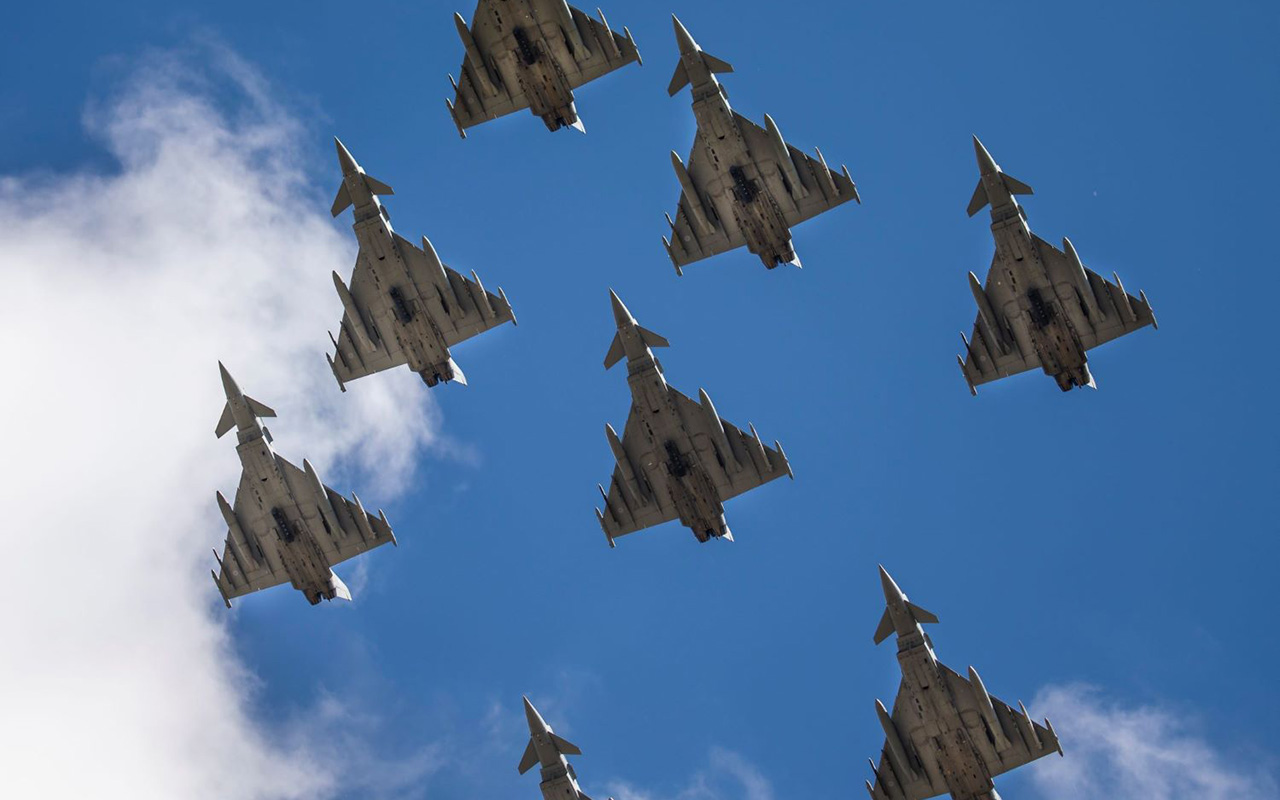
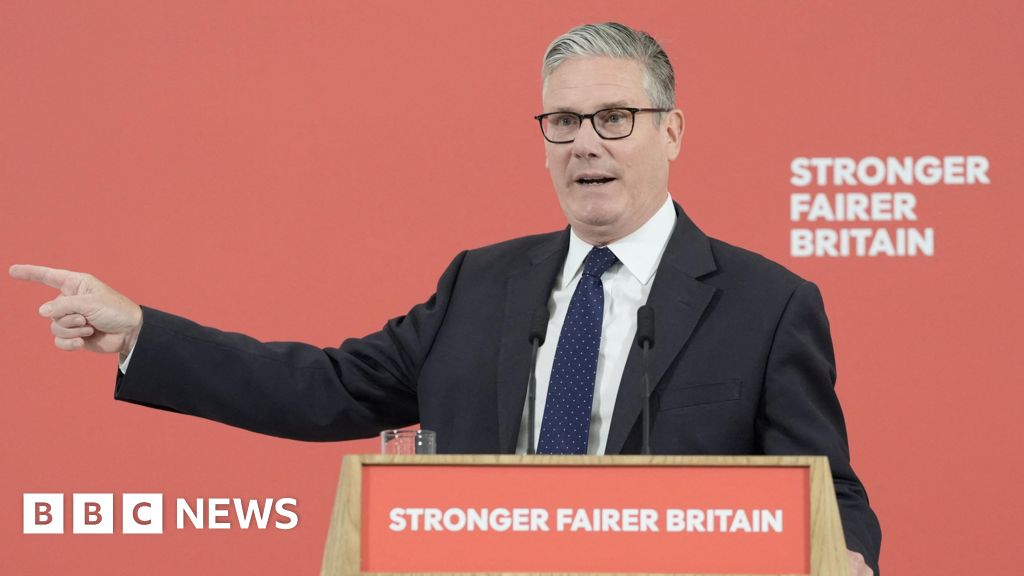
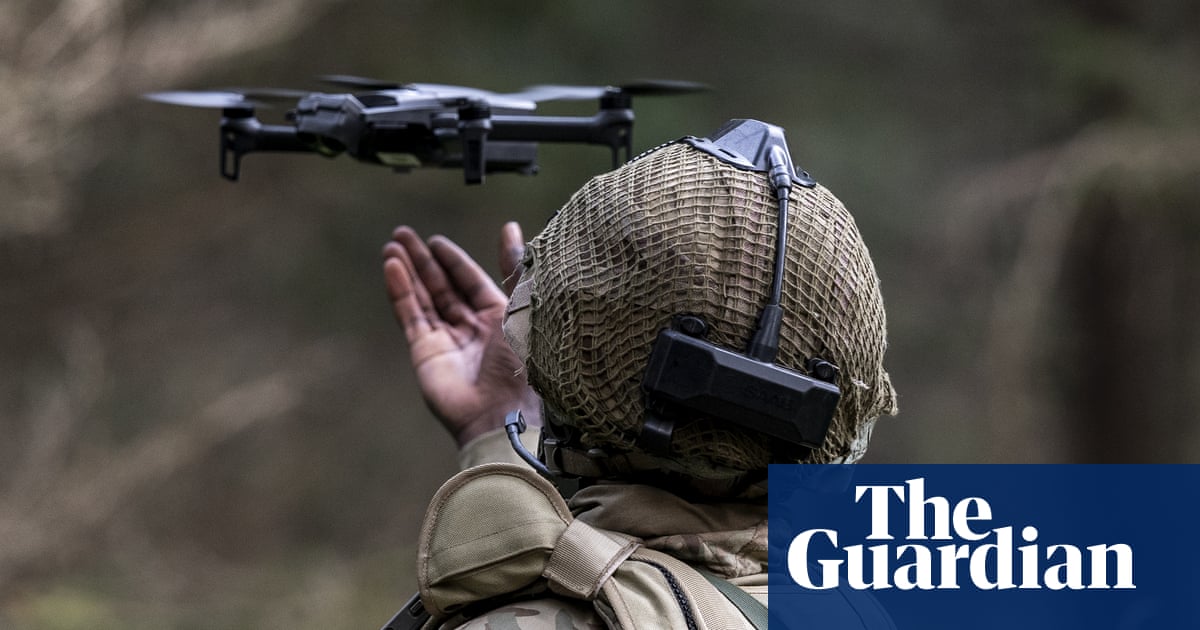
The debate surrounding how to pay for these commitments has intensified across Whitehall. Earlier political calculations, as reported by the BBC, involved trimming long-term investment budgets across other government departments by 1% to fund military uplifts, though funding gaps remained. The UK Defence Journal noted that Healey confirmed he is getting work underway to reach the target in a fiscally sustainable way by looking hard at public spending and leveraging innovative financing alongside the private sector and international allies.
To evaluate the contrasting financial projections and historical milestones associated with the defence spending path, the following data outlines the key figures across recent fiscal planning periods:
| Financial Year / Period | Projected or Actual Defence Spending | Context / Source Reference |
|---|---|---|
| 2025-26 | £62.2 billion | Baseline expenditure recorded in Treasury documents (via Defence Eye) |
| 2028/29 | £77 billion | Planned expenditure revealed in the Treasury Red Book (via Defence Eye) |
| 2029/30 | £34.5 billion (Capital procurement) | Target year explored by analysts facing potential £5 billion extra funding gaps (via Defence Eye) |
| 2035 | £103 billion | Estimated budget required to meet the 3.5% NATO target at 2026/27 prices (via Defence Eye) |
In addition to traditional public spending adjustments, Healey introduced the Innovative Defence Financing Taskforce. According to Defence Eye, this taskforce is charged with maximizing the contribution of private and international finance to UK defence. Furthermore, the National Wealth Fund and British Business Bank will channel £5 billion over the next four years into defence and dual-use sectors. Treaty negotiations are also set to begin on a multilateral defence mechanism with Finland, Poland, and the Netherlands to boost joint procurement (UK Defence Journal).
The broader implications for public finances and economic confidence remain a subject of intense domestic scrutiny. As detailed in BBC coverage, the Chancellor called for a restoration of confidence despite navigating historic high borrowing costs, declining to rule out potential tax adjustments in upcoming fiscal statements while emphasizing growth in every postcode. Meanwhile, political commentary from outlets like The Straits Times highlighted ongoing discussions regarding public debt constraints and the delicate balance between funding national security and managing departmental cuts.
What happens next depends heavily on the upcoming comprehensive spending review, where the Treasury is expected to publish the specific mechanism and annual trajectory required to hit the 2030 milestone. Parliament will continue to debate the fiscal sustainability of the £4.7 billion shortfall remediation and the operational rollout of the newly established defence financing strategies through the subsequent parliamentary terms.
How significant is this development?
Contribute your assessment to the aggregated reader sentiment ledger.
Frequently Asked Questions
Key questions answered in this reportWhat is the key development in: John Healey commits UK to spending 3 percent of GDP on defence by 2030?
Chancellor John Healey has announced that the UK will commit 3% of its GDP to defence by 2030, backed by a planned rise to £77 billion in 2028/29.
Why is this Politics development significant for the UK?
This report covers critical events in our Politics beat. Independent reporting monitors related UK statements, regulatory shifts, and public responses as further verified details emerge.
How was this reporting corroborated and verified?
Newsarchy UK compiles and cross-references reporting from primary reporting from BBC and cross-checked wire reports. All coverage adheres to published editorial standards.
When was this report published?
This briefing was published on October 30, 2026 and is permanently cataloged in the Newsarchy UK Politics archives.