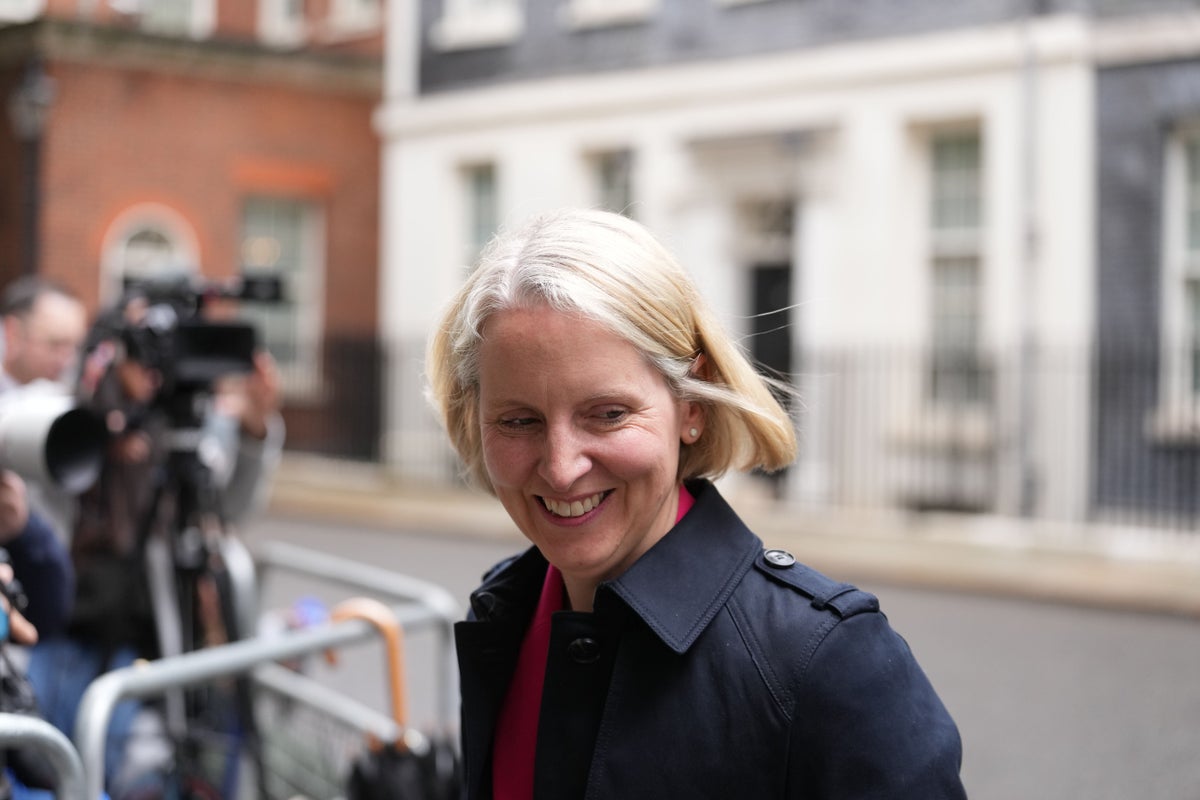
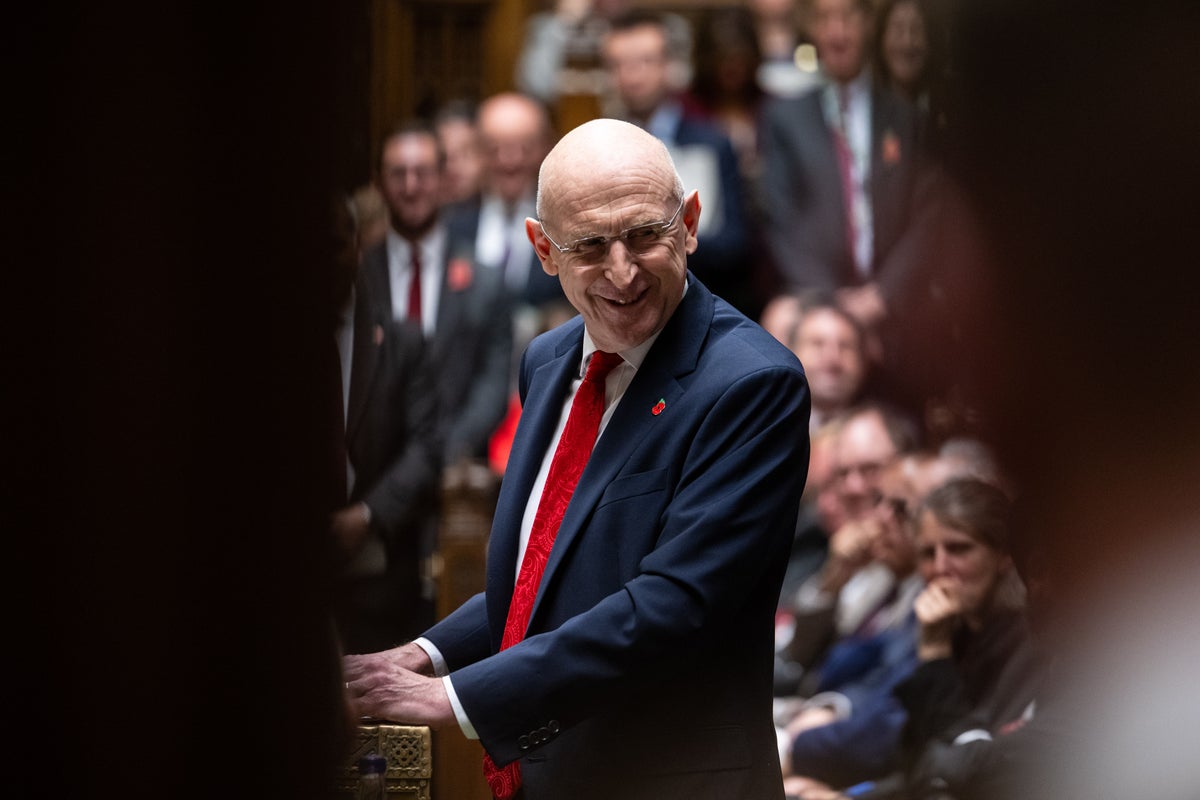
John Healey drops welfare cuts timeline amid £28bn public finance shortfall
John Healey has dropped any firm timeline for reducing the national welfare bill during the current parliament as ministers face a £28bn public finance shortfall.
- Core Development: John Healey has dropped any firm timeline for reducing the national welfare bill during the current parliament as ministers face a £28bn public finance shortfall.
- Beat Context: Categorized under Politics with independent corroboration.
- Reporting Depth: 3 minute analytical read synthesized from verified newsroom sources.
John Healey has dropped any firm timeline for reducing the national welfare bill during the current parliament, backing away from earlier assertions as ministers confront a severe £28bn public finance shortfall. The reversal follows a steady-as-she-goes budget that has drawn sharp criticism from economic experts and politicians alike, leaving government spending plans under intense scrutiny across Politics coverage.
The chancellor’s initial remarks on the welfare budget during media appearances created immediate confusion over government timetables. When asked about potential reductions before the next general election, Healey initially stated that the benefits bill would indeed decrease according to reporting by The Guardian. Treasury officials subsequently clarified that no such timeline was intended, prompting Healey to explicitly tell broadcasters that setting a fixed schedule for welfare reduction during this parliament was incorrect as noted by Aol.
Media additions
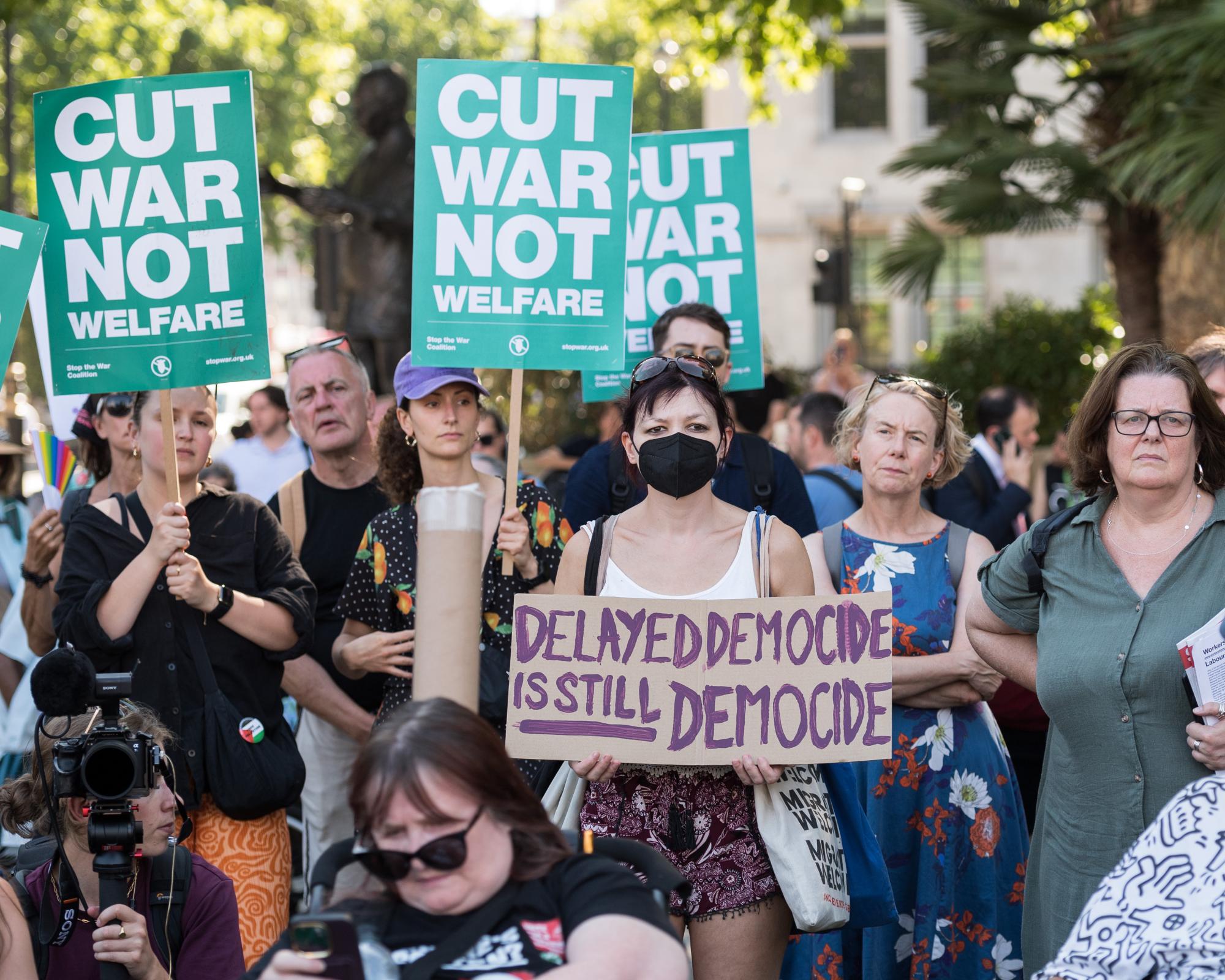

Instead of immediate cuts, the government intends to rely on forthcoming employment and disability reviews led by Alan Milburn and Stephen Timms. Figures from the Office for Budget Responsibility indicate that total welfare spending is projected to climb significantly over the coming years, driven largely by state pensions and disability support. This upward trajectory compounds broader fiscal pressures highlighted by the Institute for Fiscal Studies, which calculated the monumental resources required to maintain public services while attempting to reach a target of spending 3% of GDP on defence by 2030.
Helen Miller, director of the IFS, warned that public service spending plans are exceptionally tight and could result in a brutal spending review for individual departments. Meanwhile, Conservative figures have launched robust attacks on the administration's economic direction, arguing that ongoing borrowing and a lack of decisive action risk worsening the country's economic standing.
| Metric / Forecast | Previous Baseline | Current Projection |
|---|---|---|
| Total Welfare Spending | £334bn | £431bn by 2030 |
| Treasury Fiscal Headroom | £24bn (Spring Statement) | £15bn |
| Bank Profit Surcharge | 3% | 6% for 15 months |
Financial pressures have been exacerbated by surging government borrowing costs, which recently hit an 18-year high following volatility in gilt markets. Chancellor Healey defended his approach by pointing to international conflicts and historical economic legacy according to BBC reporting, while emphasizing a renewed focus on regional devolution and growth. Measures aimed at easing cost-of-living pressures, such as winter support payments, have faced criticism from think tanks like the Resolution Foundation for being overly dispersed rather than targeted at the most vulnerable households ahead of expected energy price rises.
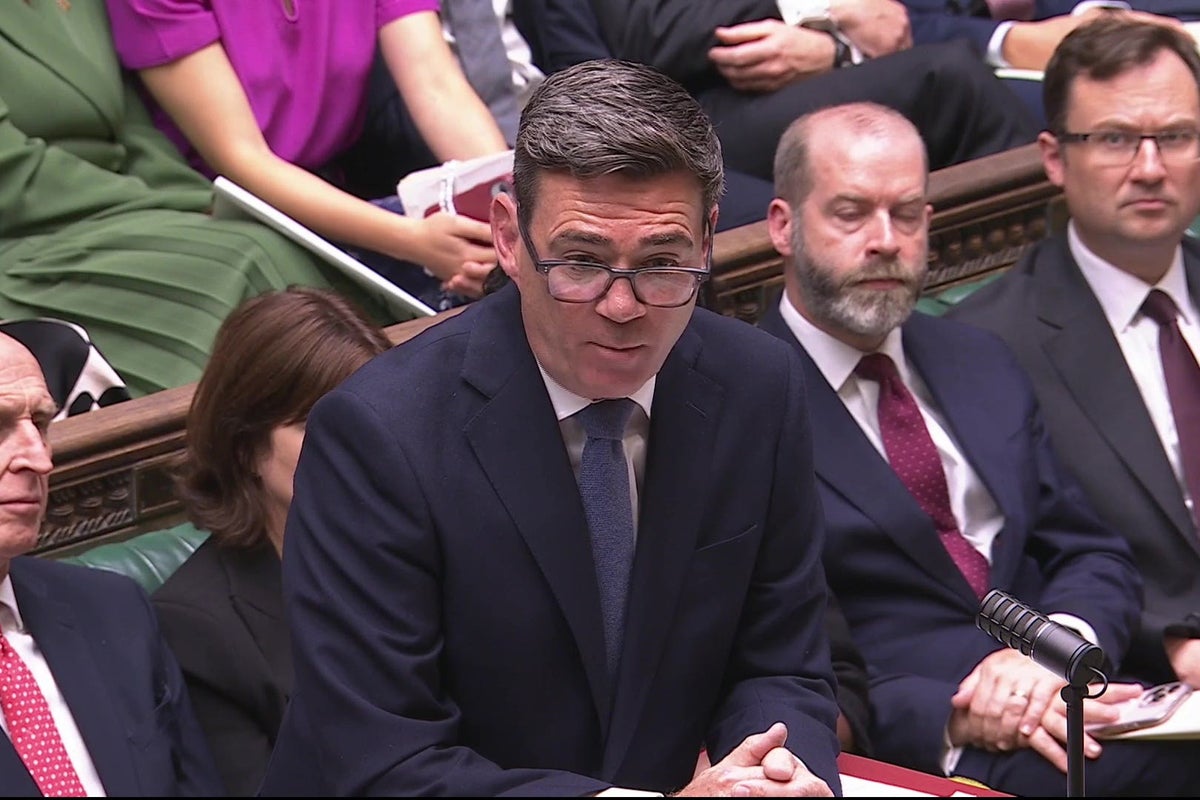
At the same time, defence spending has become a major flashpoint following renewed threats from Moscow reported by The Independent. During Prime Minister’s Questions, backbench defence committee chair Tan Singh Dhesi warned Prime Minister Andy Burnham that cash rather than optimistic messaging was necessary to counter Russian aggression. Although Downing Street later clarified that a firm commitment to the 3% GDP defence target by 2030 remains subject to upcoming spending reviews, the administration insists it will fully fund the overarching Defence Investment Plan.
As the government navigates these conflicting fiscal demands, attention turns to upcoming parliamentary scrutiny and the detailed departmental allocations expected at the next major spending review. The administration must also manage the implementation of longer-term energy strategies while attempting to reassure jittery financial markets about its long-term deficit reduction strategy.
How significant is this development?
Contribute your assessment to the aggregated reader sentiment ledger.
Frequently Asked Questions
Key questions answered in this reportWhat is the key development in: John Healey drops welfare cuts timeline amid £28bn public finance shortfall?
John Healey has dropped any firm timeline for reducing the national welfare bill during the current parliament as ministers face a £28bn public finance shortfall.
Why is this Politics development significant for the UK?
This report covers critical events in our Politics beat. Independent reporting monitors related UK statements, regulatory shifts, and public responses as further verified details emerge.
How was this reporting corroborated and verified?
Newsarchy UK compiles and cross-references reporting from primary reporting from theguardian.com and cross-checked wire reports. All coverage adheres to published editorial standards.
When was this report published?
This briefing was published on October 29, 2026 and is permanently cataloged in the Newsarchy UK Politics archives.