John Healey says UK apology over slave trade won’t lead to financial reparations
Chancellor John Healey confirmed that any potential UK government apology for the transatlantic slave trade will not include financial reparations.
- Core Development: Chancellor John Healey confirmed that any potential UK government apology for the transatlantic slave trade will not include financial reparations.
- Beat Context: Categorized under Politics with independent corroboration.
- Reporting Depth: 3 minute analytical read synthesized from verified newsroom sources.
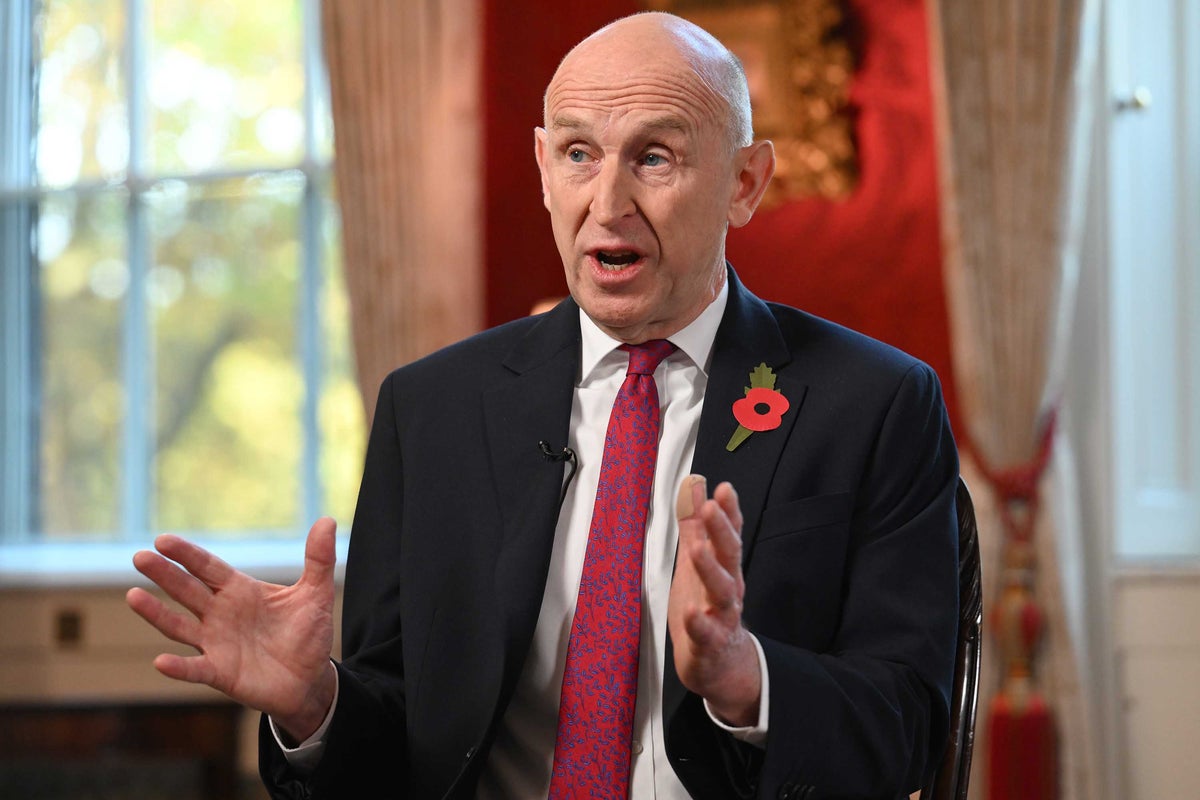
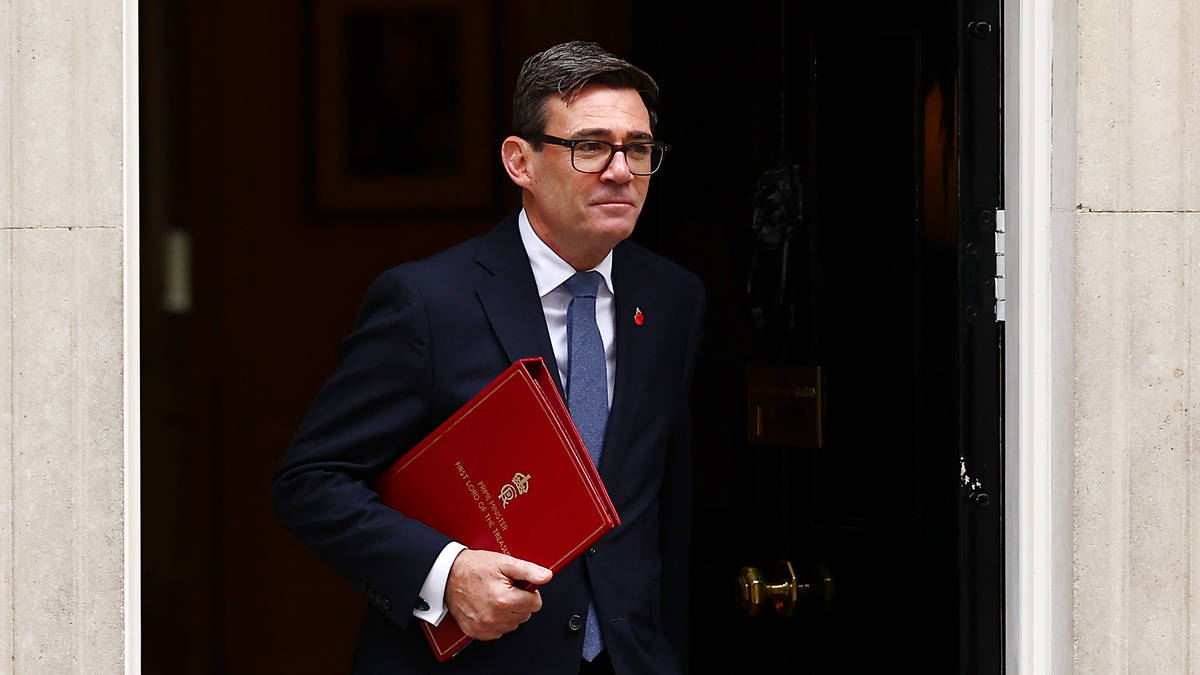
Chancellor John Healey has confirmed that any potential UK government apology for the historic transatlantic slave trade will not be accompanied by financial reparations. Speaking from Number 11 Downing Street during an interview on the BBC, Healey defended Prime Minister Andy Burnham's stance that contemporary British taxpayers cannot be held liable for atrocities committed centuries ago. The announcement arrives as government leaders prepare to travel to the Caribbean for the Commonwealth Heads of Government Meeting.
Writing in The Guardian, Burnham expressed his personal sorrow and regret for the suffering inflicted during the era of state-backed trafficking. For nearly two centuries, British ships transported millions of enslaved African men, women, and children to plantations in the Caribbean and elsewhere. Historical records show that when parliament ultimately abolished enslavement, the government compensated plantation owners rather than the enslaved people themselves, using a massive loan that was only fully paid off recently.
Media additions


According to reporting from the Morning Star, theologians and advocates have hailed the Prime Minister's willingness to engage in dialogue as a significant moment after decades of campaigning. Professor Robert Beckford told BBC Radio 4 that a genuine apology should ideally be connected with reparative actions to heal past damage. Similarly, Colin McFarlane, CEO of Justice 4 Windrush, pointed to international examples such as the Netherlands, suggesting action should extend beyond financial measures to include educational reforms in schools.
Political opposition to the government's evolving position remains fierce. Conservative leader Kemi Badenoch argued that issuing an apology is primarily a lever used to force Britain into paying cash compensation. Speaking on broadcast media, Badenoch claimed the upcoming summit would become another platform for nations to request funds, adding that current citizens should not bear financial responsibility for generations-old events. Liberal Democrat leader Sir Ed Davey echoed concerns about taxing modern citizens for ancient history, though he maintained that expressing remorse remains a worthwhile diplomatic gesture.
| Political Figure / Official | Stance on Formal Apology | Stance on Financial Reparations |
|---|---|---|
| Andy Burnham (Prime Minister) | Open to discussion / structured dialogue | Rejected |
| John Healey (Chancellor) | Defends consideration as the right approach | Rejected |
| Kemi Badenoch (Conservative Leader) | Opposed (warns it opens door to cash demands) | Rejected |
| Sir Ed Davey (Liberal Democrat Leader) | In favour | Rejected |
Campaign groups have expressed mixed reactions to the Downing Street announcement. Denis O'Brien, founder of The Repair Campaign, described the Prime Minister's refusal to offer compensation as disappointing and argued that obfuscation should end. Meanwhile, Bell Ribeiro-Addy, chairwoman of the All-Party Parliamentary Group for Afrikan Reparations, noted that an apology costs nothing symbolically and is necessary to place nations on an equal footing within the Commonwealth, though she noted her group had not formally issued a financial invoice to the UK.
As diplomatic pressures mount, the upcoming Commonwealth gathering in Antigua and Barbuda will serve as the primary arena for these discussions. While King Charles is touring the region and referencing past suffering, he is not expected to issue a formal apology or deviate from government policy.
Chief Secretary to the Treasury Emma Reynolds also addressed the distinction between symbolism and compensation on broadcast media, arguing that issuing a formal apology carries significant moral weight for the region while maintaining the government's boundary against cash transfers. Meanwhile, former Commonwealth secretary general Sir Donald McKinnon criticized the government's refusal as a rigid position that may hinder efforts to improve relations, advocating instead for enhanced training opportunities and trading partnerships.
How significant is this development?
Contribute your assessment to the aggregated reader sentiment ledger.
Frequently Asked Questions
Key questions answered in this reportWhat is the key development in: John Healey says UK apology over slave trade won’t lead to financial reparations?
Chancellor John Healey confirmed that any potential UK government apology for the transatlantic slave trade will not include financial reparations.
Why is this Politics development significant for the UK?
This report covers critical events in our Politics beat. Independent reporting monitors related UK statements, regulatory shifts, and public responses as further verified details emerge.
How was this reporting corroborated and verified?
Newsarchy UK compiles and cross-references reporting from primary reporting from NewsCord and cross-checked wire reports. All coverage adheres to published editorial standards.
When was this report published?
This briefing was published on November 1, 2026 and is permanently cataloged in the Newsarchy UK Politics archives.