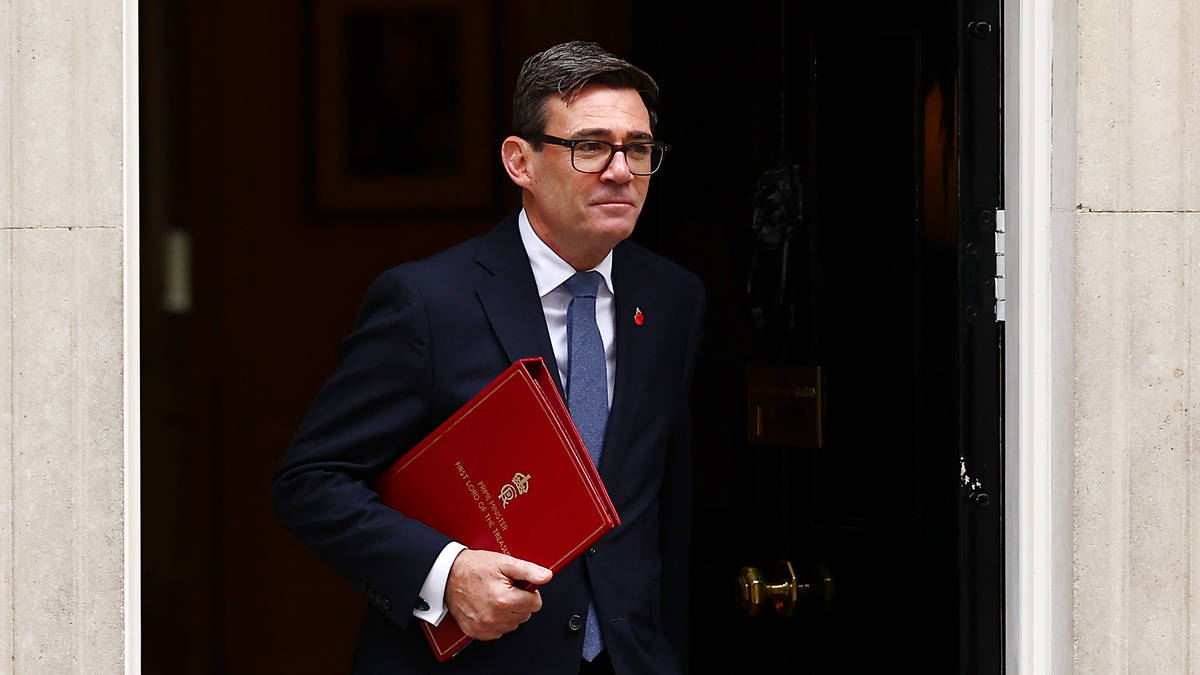
John Healey denies setting timetable for welfare savings despite Labour cuts pledge
Chancellor John Healey has clarified the government's position on public expenditure, denying that he set a strict timetable for reducing the rising benefits bill.
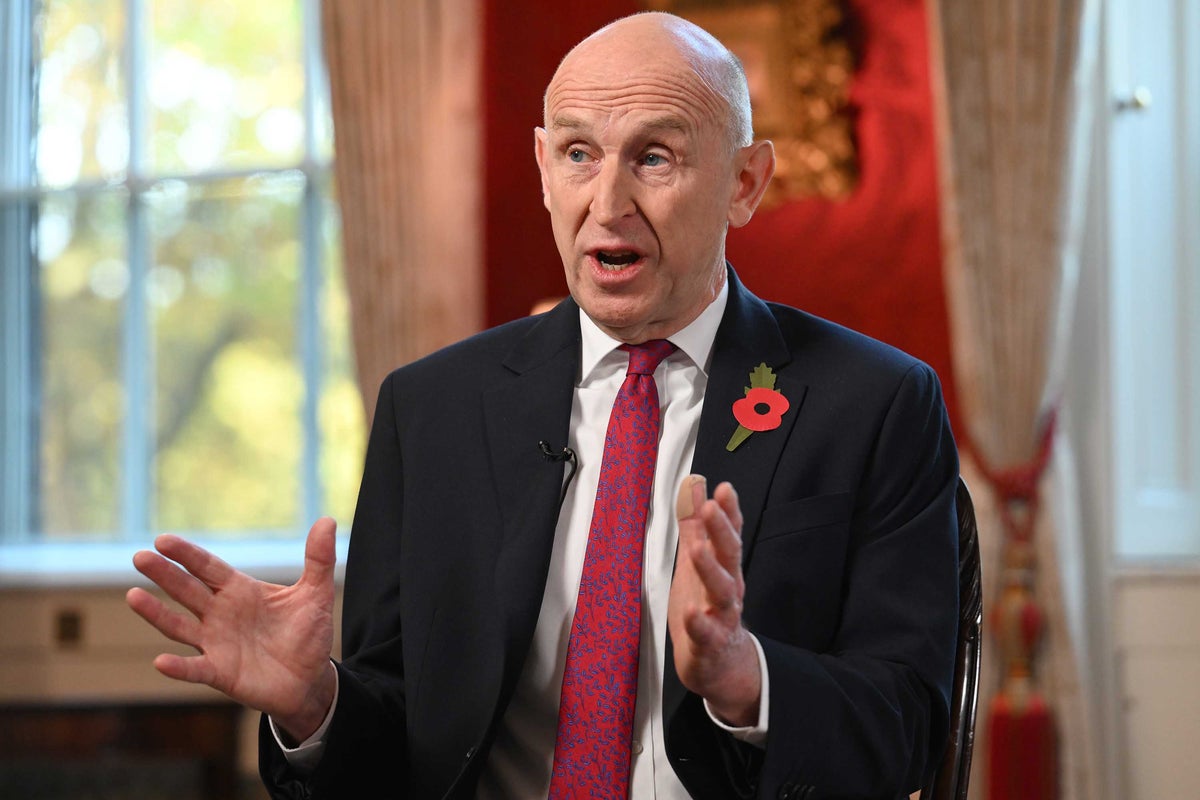
- Core Development: Chancellor John Healey has clarified the government's position on public expenditure, denying that he set a strict timetable for reducing the rising benefits bill.
- Beat Context: Categorized under Politics with independent corroboration.
- Reporting Depth: 4 minute analytical read synthesized from verified newsroom sources.
Chancellor John Healey has moved to clarify the government's position on public expenditure after sparking confusion over when the country's rising benefits bill will begin to fall. The controversy follows the delivery of the chancellor's maiden Budget and subsequent warnings from the Office for Budget Responsibility that health-related welfare costs could exceed £100 billion a year before the end of the decade. Downing Street stepped in with a hurried statement after initial media reports suggested Mr Healey had committed to reducing the total benefits bill before the next general election. Speaking subsequently on the BBC’s Sunday With Laura Kuenssberg programme, Mr Healey insisted that media interpretations of his earlier remarks were simply wrong and maintained that the government never established a strict timetable for achieving financial savings.
The political difficulty began when Mr Healey suggested in an earlier broadcast interview that a reduction in the benefits bill would occur before the next general election, leading to a scramble by Treasury aides and Downing Street to clarify that no such timeline had been guaranteed. According to EDP24 reporting, the prime minister's official spokesman emphasized that ministers are targeting the underlying drivers of spending rather than enforcing an arbitrary deadline.
Media additions
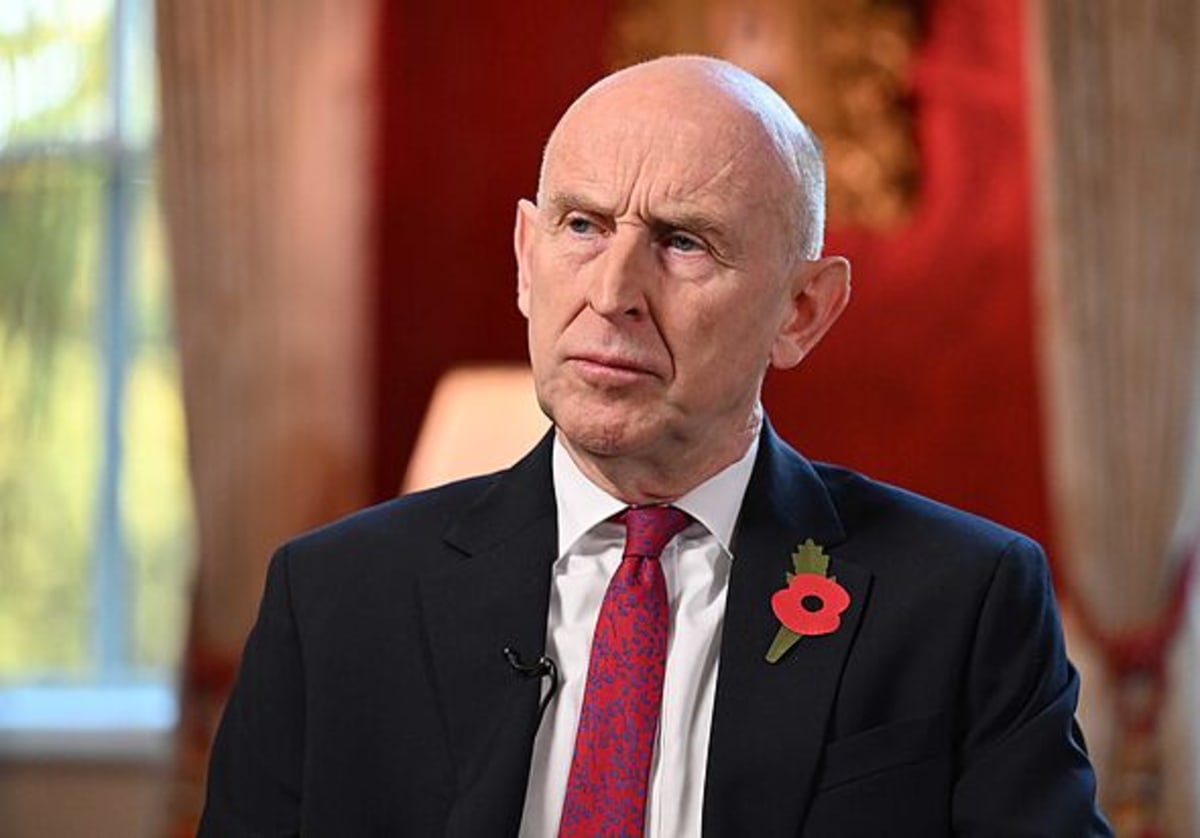

Mr Healey drew a firm distinction between introducing policy changes and realizing tangible savings from them. Speaking to Aol and other broadcasters, the chancellor confirmed that legislative changes would begin next year following two major reviews. Social security minister Sir Stephen Timms is currently examining personal independence payments, while former health secretary Alan Milburn is leading a review into young people and employment. A government White Paper and subsequent legislation are expected to follow next year. Despite these upcoming measures, Mr Healey conceded to Channel 4 that it would be incorrect to claim the total welfare bill will definitely drop within the current parliamentary term.
| Metric / Forecast | Figure | Source / Context |
|---|---|---|
| Health-related benefits forecast (2028-29) | £105bn | Office for Budget Responsibility forecast cited by The Independent |
| Conservative estimated household tax hike | £1,700 per household annually by 2030-31 | Opposition claims regarding unfunded spending commitments |
The debate over the welfare trajectory forms part of a wider dispute concerning the government's fiscal credibility and handling of public finances. Conservative leader Kemi Badenoch used an article in the Sunday Telegraph to accuse Labour of leaving a £49 billion black hole in the national finances, claiming that levies could eventually rise by £1,700 per household annually by the end of the decade to pay for unfunded spending pledges. The Treasury strongly rejected these claims as fiction, maintaining that the Budget adheres to existing fiscal rules and puts borrowing on a clear downward trajectory.
Independent analysts have also voiced skepticism regarding the long-term outlook. Meanwhile, former Bank of England chief economist Andy Haldane described the Budget as small beer, telling the BBC that financial markets retain lingering fears that the administration represents a traditional tax-and-spend government. Mr Haldane suggested that more radical action is required to reassure investors about public debt levels, which currently stand above ninety-seven per cent of national economic output.
Additional complications arose as Mr Healey declined to guarantee that Labour will fulfill its manifesto pledge to eliminate discriminatory age bands for younger workers on the minimum wage before voters return to the ballot box. He noted that the government intends to take matters one step at a time, raising the possibility of delays to that commitment. Similarly, the chancellor admitted on ITV that he was unable to take desired action on student loan repayment thresholds in the recent Budget due to immediate financial pressures involving household energy bills and business costs.
What to Watch Next
- The publication of Alan Milburn's review into youth employment and Sir Stephen Timms' review into personal independence payments, both slated for release this month.
- The subsequent release of a government White Paper and formal welfare legislation scheduled for next year.
- Preparations for the upcoming spending review and ten-year economic plan, which will test the administration's departmental savings targets.
How significant is this development?
Contribute your assessment to the aggregated reader sentiment ledger.
Frequently Asked Questions
Key questions answered in this reportWhat is the key development in: John Healey denies setting timetable for welfare savings despite Labour cuts pledge?
Chancellor John Healey has clarified the government's position on public expenditure, denying that he set a strict timetable for reducing the rising benefits bill.
Why is this Politics development significant for the UK?
This report covers critical events in our Politics beat. Independent reporting monitors related UK statements, regulatory shifts, and public responses as further verified details emerge.
How was this reporting corroborated and verified?
Newsarchy UK compiles and cross-references reporting from primary reporting from London Business News and cross-checked wire reports. All coverage adheres to published editorial standards.
When was this report published?
This briefing was published on November 1, 2026 and is permanently cataloged in the Newsarchy UK Politics archives.