Labour refuses to guarantee state pension triple lock beyond next election
Senior Labour figures have declined to guarantee the state pension triple lock beyond the next general election, citing soaring costs and generational fairness.

- Core Development: Senior Labour figures have declined to guarantee the state pension triple lock beyond the next general election, citing soaring costs and generational fairness.
- Beat Context: Categorized under Politics with independent corroboration.
- Reporting Depth: 3 minute analytical read synthesized from verified newsroom sources.
The future of the state pension triple lock has been thrown into serious doubt as senior Labour figures repeatedly decline to guarantee the mechanism beyond the next general election. The mounting uncertainty, which follows recent BBC reporting, marks a notable shift for a policy that has remained politically protected since its introduction. As the Treasury faces tight fiscal constraints, cabinet ministers are increasingly pointing toward generational fairness and the soaring costs of the guarantee as reasons to reconsider how pensions are handled in the next decade.
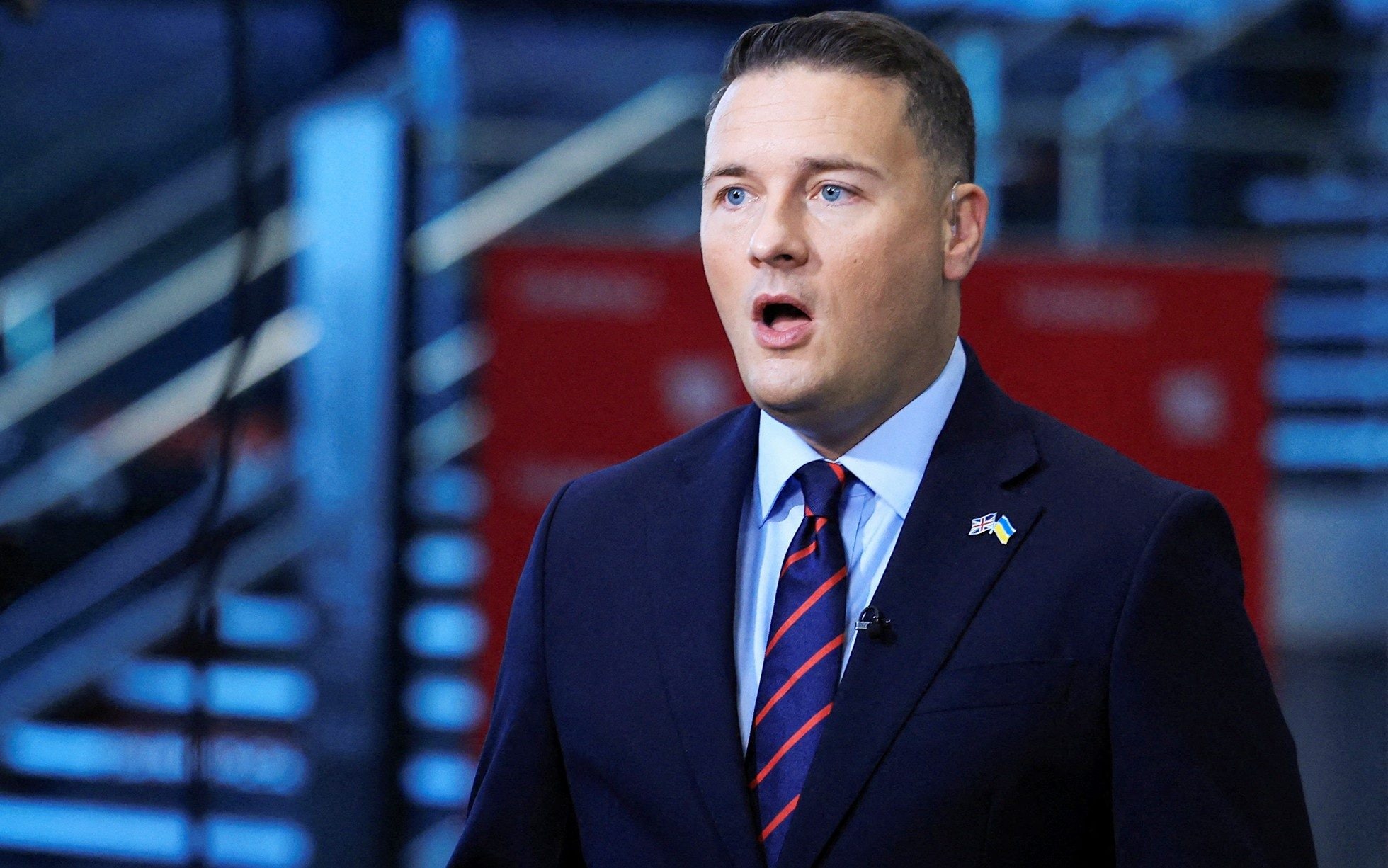
Speaking to Aol, Defence Secretary Wes Streeting stated that Labour would stand by its existing manifesto pledge to maintain the triple lock until 2029, but explicitly declined to guarantee that the policy would survive into the 2030s. When asked about its inclusion in future manifestos, Mr Streeting maintained that speculating on individual policies would lead to broader speculation. The triple lock ensures that the state pension rises every April by whichever is highest: price inflation, average wage growth, or a minimum floor of 2.5 per cent.
Media additions
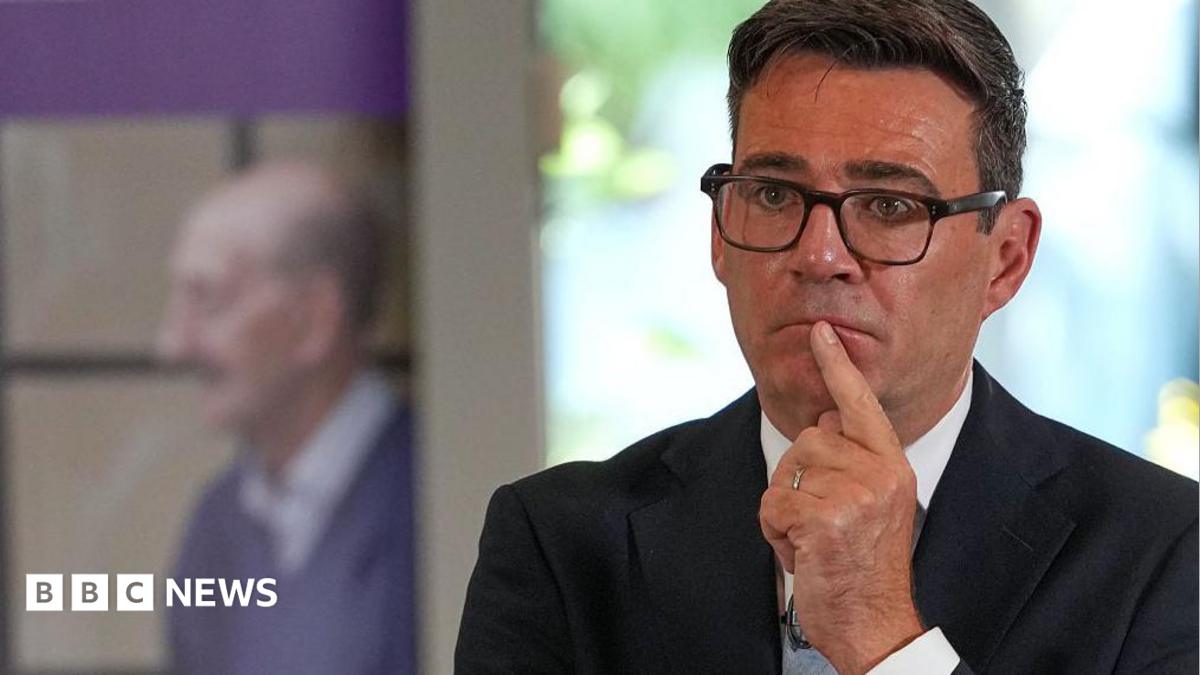
The debate over the long-term viability of the mechanism is closely tied to plans for social care reform. According to Bbc coverage, Andy Burnham intends to put forward tough decisions to fund a new national care service as part of Labour's next general election manifesto, seeking a mandate from voters. Senior party figures, including Lord Blunkett and Darren Jones, have joined the push to reduce spending on pensioners to fund free social care, arguing that the Treasury has largely exhausted options for further tax rises and additional borrowing.
Financial pressures on the state are significant. The triple lock now costs £15.5bn a year, which is treble the original estimates calculated for the 2030 cost. Observers note that this ballooning expense has been driven heavily by the volatility of prices and earnings. Reverting to a pure earnings link could save tens of billions of pounds a year over the long run, providing a potential funding stream for a national care service while leaving a fiscal buffer.
| Metric | Figure | Context |
|---|---|---|
| Annual triple lock cost | £15.5bn | Treble original estimates of the 2030 cost |
| Wealthy over-65s | 22 per cent | Lived in a household with total wealth of £1m or more as of March 2022, per ONS data |
The political landscape surrounding the policy is increasingly fraught. While some cabinet allies and economists argue that signalling a future change is a necessary economic step in volatile bond markets, opposition groups are watching closely. Reform UK leaders view the pension policy as a vital potential dividing line with Labour in upcoming political contests, according to reporting detailed by the BBC.
Mr Streeting also emphasized concerns regarding generational fairness, warning that young people growing up today face prospects that are worse than the previous generation for the first time in modern history. Citing data from the Office for National Statistics, coverage highlighted that 22 per cent of over-65s lived in a household with a total wealth of £1m or more as of March 2022. Despite these arguments, the Defence Secretary cautioned that MPs pushing to scrap the triple lock entirely before the upcoming election are getting ahead of themselves.
The broader politics of the situation continue to develop as the government navigates competing demands from public services, pensioners, and younger taxpayers. Chancellor John Healey, who earlier faced direct questions about bringing down welfare costs, prepares to deliver his upcoming Budget. Meanwhile, allies of the Chancellor have indicated reluctance to increase taxes further given the heavy burden already placed on businesses and workers.
What to Watch Next
- Chancellor John Healey's upcoming Budget statement next month.
- Further details on Andy Burnham's proposed national care service model ahead of the next general election.
- Ongoing debates within the Labour Party conference in Liverpool regarding future manifesto commitments on pensioner benefits.
How significant is this development?
Contribute your assessment to the aggregated reader sentiment ledger.
Frequently Asked Questions
Key questions answered in this reportWhat is the key development in: Labour refuses to guarantee state pension triple lock beyond next election?
Senior Labour figures have declined to guarantee the state pension triple lock beyond the next general election, citing soaring costs and generational fairness.
Why is this Politics development significant for the UK?
This report covers critical events in our Politics beat. Independent reporting monitors related UK statements, regulatory shifts, and public responses as further verified details emerge.
How was this reporting corroborated and verified?
Newsarchy UK compiles and cross-references reporting from primary reporting from AOL.com and cross-checked wire reports. All coverage adheres to published editorial standards.
When was this report published?
This briefing was published on September 28, 2026 and is permanently cataloged in the Newsarchy UK Politics archives.