Nigel Farage capitalises on Angela Rayner resignation and Labour reshuffle
The resignation of the housing secretary over unpaid property tax has forced a sweeping cabinet reshuffle, handing a strategic opportunity to Nigel Farage.
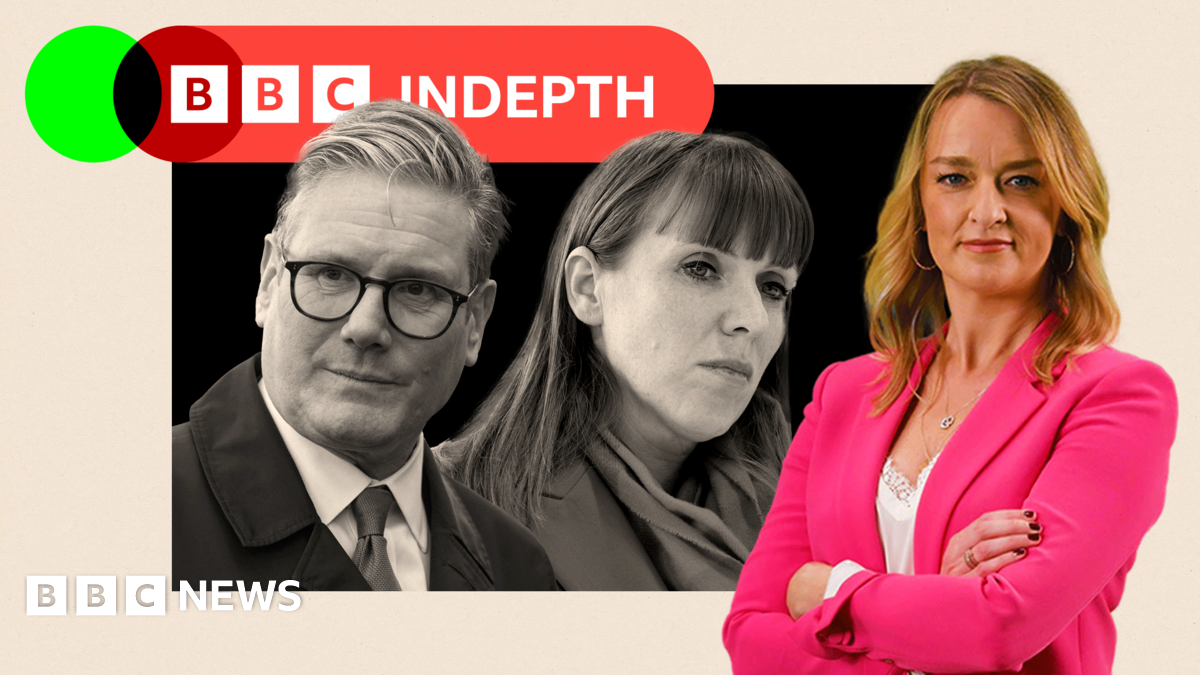
A high-stakes political crisis has gripped Westminster following the departure of the housing secretary, whose exit over unpaid tax on a property has triggered a sweeping overhaul of the government's top team according to the BBC. The sudden resignation completely upended Downing Street plans for an orderly reset of the administration, handing a major political advantage to rival opposition figures. The leadership upheaval arrives as Sir Keir Starmer attempts to salvage his core narrative of competence and clean politics, a pitch that has faced repeated strain from financial controversies.
The scandal centers on the housing secretary, who had previously positioned herself as a staunch anti-sleaze campaigner and a leading voice of accountability against financial irregularities under previous Conservative administrations. According to an official inquiry report cited by the BBC, she had tried to do the right thing, but not tried hard enough, meaning rules were broken. One MP described the oversight as involving tens of thousands of pounds, dealing a heavy blow to the government's self-styled "Mr Rules" ethos and its pledge to return public office to the service of the people.
The exit served as a catalyst for a chunky cabinet shakeup that Downing Street had reportedly considered for some time. The prime minister's allies argued that the unexpected crisis provided the necessary momentum to refresh the administration and transition into a new phase of governance. Under the reshuffle, the former justice secretary moved into the home office brief, with allies hoping for a more strident approach to immigration and the small boats crisis. Meanwhile, the former home secretary transitioned to the foreign office, facing an immediate international calendar that includes managing high-profile diplomatic visits, such as an upcoming state visit from President Donald Trump.
Other ministerial adjustments include shifting the party's political strategist into a mega-ministry covering welfare and skills to get the country working, while the former business secretary was moved to chief whip to manage potential backbench rebellions. Despite these maneuvers, internal and external critics have questioned whether shuffling personnel resolves underlying strategic ambiguities within the administration. A senior Labour figure voiced skepticism to the BBC regarding whether moving individuals addresses the broader frustration over a lack of overarching project direction.
The turmoil has offered a clear strategic opening for Nigel Farage and his party. Nigel Farage advanced his conference speech to capitalise on the vacancy in the news cycle, reinforcing his core argument that the established political parties preside over a broken system. Reform UK's pitch has consistently targeted public disillusionment with Westminster standards, drawing fresh energy from the latest ministerial departure.
As the administration enters its next legislative phase, attention turns to whether the newly configured cabinet can accelerate policy delivery and restore public confidence. The government faces a demanding parliamentary schedule alongside upcoming party gatherings, leaving little margin for error as rival parties increase pressure from all sides.