Northern Ireland Troubles Bill faces Commons debate alongside carry-over motion
The Northern Ireland Troubles Bill faces a House of Commons carry-over debate as Westminster navigates government amendments requiring Attorney General consent for serious prosecutions.

- Core Development: The Northern Ireland Troubles Bill faces a House of Commons carry-over debate as Westminster navigates government amendments requiring Attorney General consent for serious prosecutions.
- Beat Context: Categorized under Politics with independent corroboration.
- Reporting Depth: 3 minute analytical read synthesized from verified newsroom sources.
According to reporting from the BBC, the legislation is expected to be discussed in Parliament on Tuesday, as it navigates a complex legislative landscape in Westminster while drawing sharp warnings from unionist leaders and veterans' advocates alike.
Originally introduced following agreement on a joint framework with the Irish government, the legislation aims to replace the previous administration's Legacy Act. That earlier statute introduced a controversial ban on inquests and civil actions, while an immunity-for-cooperation mechanism was struck down by the courts as unlawful. The Labour government's proposed replacement encompasses a Legacy Commission to investigate Troubles-related killings, a separate information recovery body, and a dedicated legacy unit within the Irish police force, An Garda Síochána.
Media additions

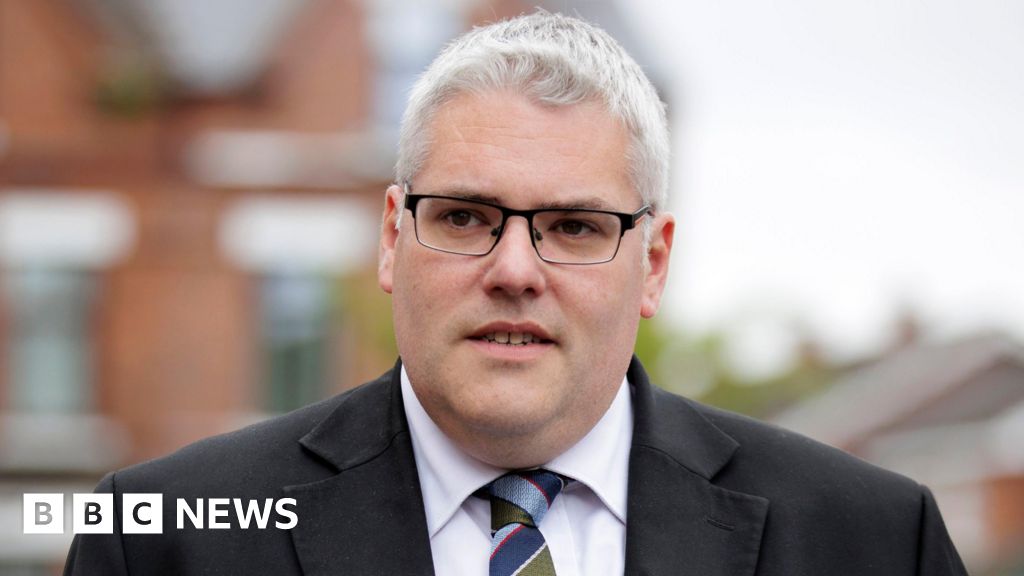

Fresh complications emerged when it was announced that the Attorney General must provide consent for any serious prosecutions related to the conflict. The Northern Ireland Veterans' Commissioner, David Johnstone, noted that the political nature of the Attorney General's role has elicited a mixed response from former service personnel, leaving veterans hesitant to celebrate the changes without detailed legal scrutiny. According to reporting from the BBC, Johnstone indicated that while some veterans may welcome decisions involving Westminster officials rather than local authorities, consultation and legal input remain ongoing. Johnstone stated on BBC Radio Ulster's Good Morning Ulster programme:
"We are going to take our time, we need to take some legal input, we need to consult with veterans. We are not going to have a knee jerk reaction, I don't think anyone's going to be dancing in the streets over the amendments."
David Johnstone, Northern Ireland Veterans' Commissioner, via BBC
| Key Stakeholder | Stance on Northern Ireland Legacy Proposals |
|---|---|
| UK Government | Proposing amendments including Attorney General consent for serious prosecutions and enhanced veteran protections. |
| Sinn Féin | Denouncing amendments as a "veterans' charter" that risks preferential treatment and obstructs thorough investigations. |
Political opponents from other traditions have condemned the direction of travel. Sinn Féin MP John Finucane denounced the latest amendments as a preferential charter that risks granting additional protections to former members of the British military while erecting further obstacles to effective investigations for grieving families. Critics from various backgrounds continue to question whether the framework can deliver genuine truth and reconciliation.
The legislative vehicle itself is running tight against parliamentary deadlines. According to the Hansard Society, the bill has made no substantive progress since its second reading in the Commons, leaving the carry-over motion as an absolute necessity to prevent the legislation from falling at the end of the session. Given strong opposition from Conservative MPs and skepticism from regional parties, the debate promises to test government management.
What happens next depends on the outcome of the Commons vote. If the carry-over motion successfully passes, the legislation will move forward for further consideration and subsequent Committee Stage amendments in the next parliamentary session before eventually heading to the House of Lords for scrutiny by peers.
How significant is this development?
Contribute your assessment to the aggregated reader sentiment ledger.
Frequently Asked Questions
Key questions answered in this reportWhat is the key development in: Northern Ireland Troubles Bill faces Commons debate alongside carry-over motion?
The Northern Ireland Troubles Bill faces a House of Commons carry-over debate as Westminster navigates government amendments requiring Attorney General consent for serious prosecutions.
Why is this Politics development significant for the UK?
This report covers critical events in our Politics beat. Independent reporting monitors related UK statements, regulatory shifts, and public responses as further verified details emerge.
How was this reporting corroborated and verified?
Newsarchy UK compiles and cross-references reporting from primary reporting from BBC and cross-checked wire reports. All coverage adheres to published editorial standards.
When was this report published?
This briefing was published on October 13, 2026 and is permanently cataloged in the Newsarchy UK Politics archives.