Rachel Reeves says UK future lies in EU after backing Burnham
Former chancellor Rachel Reeves has declared that Britain's long-term future rests inside the European Union, backing Prime Minister Andy Burnham's diplomatic strategy.

- Core Development: Former chancellor Rachel Reeves has declared that Britain's long-term future rests inside the European Union, backing Prime Minister Andy Burnham's diplomatic strategy.
- Beat Context: Categorized under Politics with independent corroboration.
- Reporting Depth: 3 minute analytical read synthesized from verified newsroom sources.
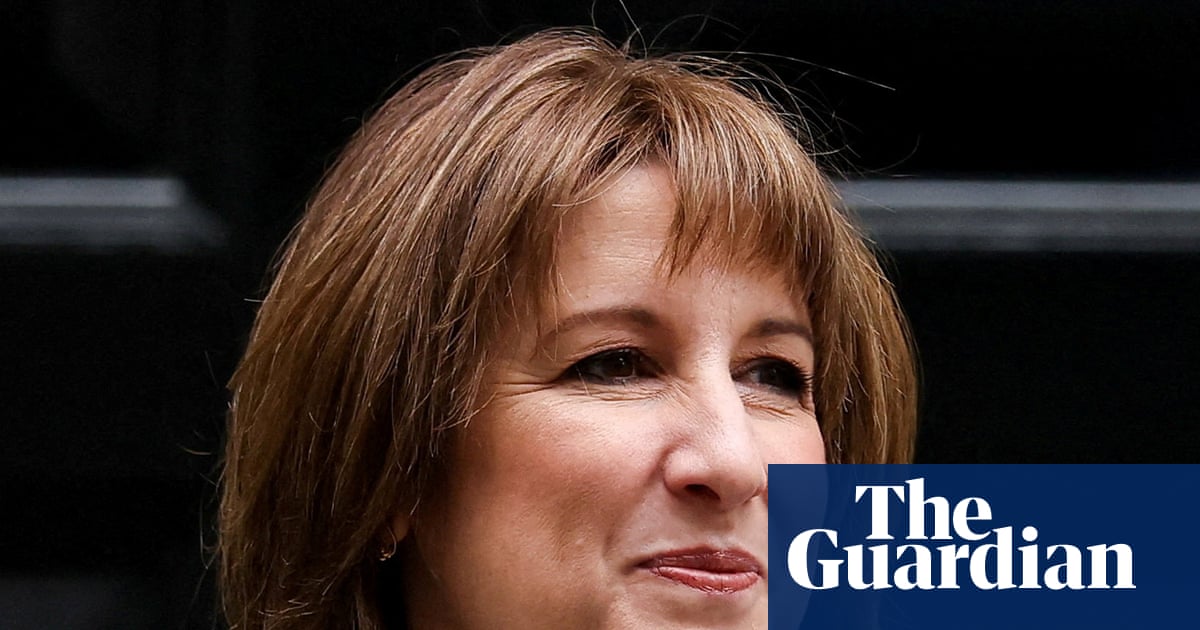
Former chancellor Rachel Reeves has publicly declared that Britain's long-term future rests inside the European Union, arguing that Brexit has left the country poorer, weaker, and less secure. Writing in The Sunday Times, the senior Labour figure delivered her first major intervention since leaving the Treasury, throwing her active support behind Prime Minister Andy Burnham's evolving stance on deepening ties with Brussels.
Ms Reeves, who was sacked as chancellor during the cabinet reshuffle when Mr Burnham assumed office, used her newspaper article to make clear where her political instincts always lay while managing the nation's finances. No one in the Treasury ever doubted where my instincts were,
she wrote, according to The Guardian. As chancellor, Ms Reeves had previously used her Mais lecture to warn that leaving the trading bloc created profound uncertainty and raised new trade barriers. Now, freed from the immediate constraints of the Treasury bench, she insists that supporters of British re-entry must articulate clear arguments, demonstrate tangible benefits, and carefully manage the procedural next steps.
Media additions


The intervention complicates a delicate diplomatic and internal party strategy led by Mr Burnham. According to Yahoo News Canada, the Prime Minister aims to lock down specific agreements regarding food and drink, emissions trading, and a youth mobility scheme during an upcoming summit with European leaders later this month. Beyond those immediate measures, Mr Burnham has indicated a desire to explore broader, long-term options for the relationship. However, he has also cautioned his top team against jumping ahead of the democratic process. In a recent letter to his Cabinet, the Prime Minister warned that it remains inappropriate for individual ministers to advocate for specific long-term outcomes or opine on the final destination of the negotiations.
Internal tensions have already begun to bubble beneath the surface of the administration. Reports indicate that cabinet figures such as Home Secretary Shabana Mahmood harbor distinct concerns regarding the potential impact of revised migration rules and revised deals. To manage these friction points, Mr Burnham has outlined a strict two-stage methodology for reforming post-Brexit arrangements. The initial phase respects the boundaries of Labour's previous general election platform, which ruled out rejoining the single market, customs union, or reinstating freedom of movement. Anything extending beyond those manifesto boundaries, the Prime Minister insists, must be decided by the public and deferred to the next parliament.
| Region / Survey Group | Pro-Rejoin / Reversal Support (%) | Historical Context |
|---|---|---|
| London Adults (YouGov Poll) | 67% | Two thirds of capital residents favor reversing Brexit amid economic damage. |
| Northern England | 50% | Even split on the question of reversing the 2016 referendum outcome. |
| Southern England (Excluding London) | 48% | Substantial minority backing a return to the European Union. |
| Midlands | 44% | Lowest regional polling support for reversing the departure from the bloc. |
Public sentiment surrounding the debate shows deep regional divides, underscored by recent polling data. A YouGov survey of Londoners revealed that two thirds believe Britain should rejoin the European Union,
according to reporting highlighted by Yahoo News Canada. That figure demonstrates a dramatic collapse in local support for the 2016 leave vote within the capital, contrasting sharply with figures recorded in other parts of the country. Alongside her European commentary, Ms Reeves also used her writing to urge colleagues to go further in ripping up green rules and judicial review powers that slow building, and do more to protect the City of London.
What happens next depends heavily on the outcome of the upcoming UK-EU summit later this month. Observers will be watching to see whether British negotiators successfully secure the targeted youth mobility scheme and progress toward entry into the SAFE defence partnership. Meanwhile, Cabinet ministers must navigate the Prime Minister's strict prohibition against publicly lobbying for specific post-Brexit trajectories as the long-term debate over the nation's continental alignment accelerates.
How significant is this development?
Contribute your assessment to the aggregated reader sentiment ledger.
Frequently Asked Questions
Key questions answered in this reportWhat is the key development in: Rachel Reeves says UK future lies in EU after backing Burnham?
Former chancellor Rachel Reeves has declared that Britain's long-term future rests inside the European Union, backing Prime Minister Andy Burnham's diplomatic strategy.
Why is this Politics development significant for the UK?
This report covers critical events in our Politics beat. Independent reporting monitors related UK statements, regulatory shifts, and public responses as further verified details emerge.
How was this reporting corroborated and verified?
Newsarchy UK compiles and cross-references reporting from primary reporting from London Now and cross-checked wire reports. All coverage adheres to published editorial standards.
When was this report published?
This briefing was published on November 1, 2026 and is permanently cataloged in the Newsarchy UK Politics archives.