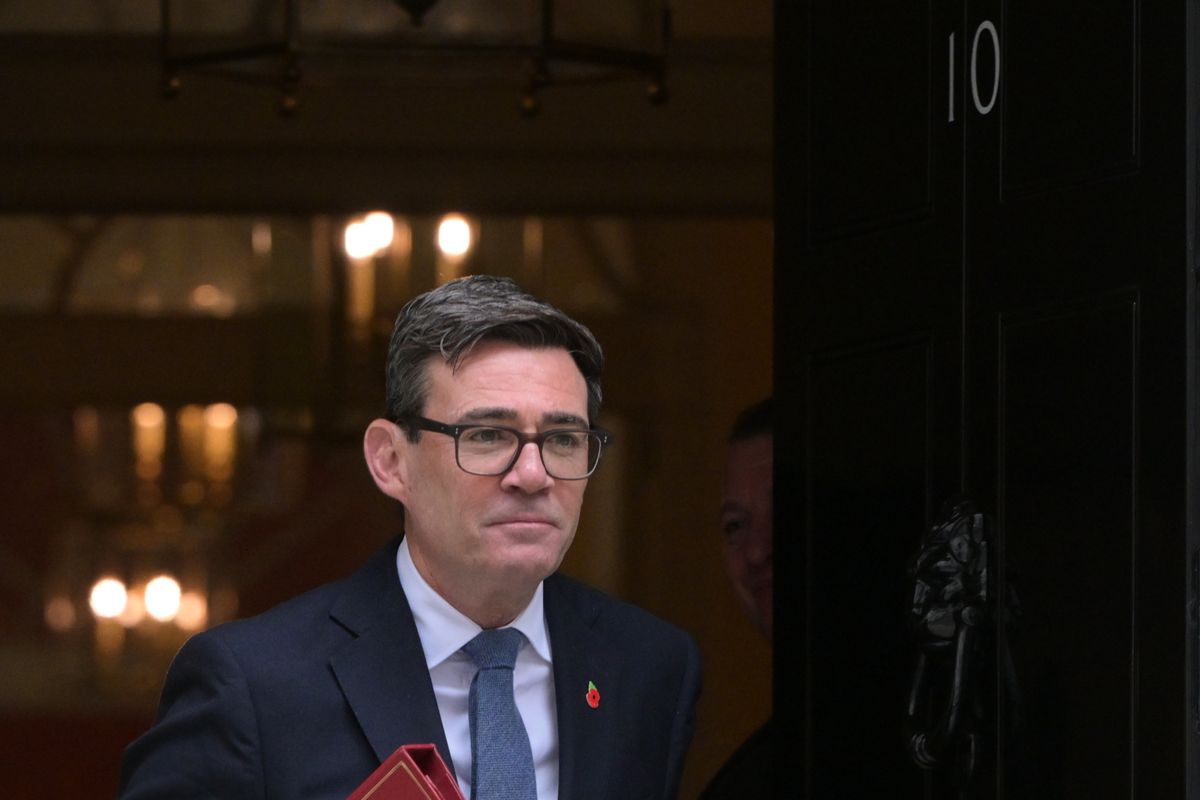
John Healey hints Labour minimum wage age pledge may face election delay
Chancellor John Healey has cast doubt on whether the government will fulfil its manifesto commitment to equalize minimum wage pay for younger workers before the next election.

- Core Development: Chancellor John Healey has cast doubt on whether the government will fulfil its manifesto commitment to equalize minimum wage pay for younger workers before the next election.
- Beat Context: Categorized under Politics with independent corroboration.
- Reporting Depth: 3 minute analytical read synthesized from verified newsroom sources.
John Healey has cast doubt on whether the government will fulfil a core manifesto commitment before voters return to the polls, signalling that plans to remove discriminatory minimum wage age bands for younger workers may face an election delay.
Speaking in an interview, the Chancellor refused to guarantee that younger staff on the minimum wage would see parity with older counterparts by the time of the next general election. According to The Standard, Mr Healey remarked that ministers would take the process step by step, admitting that abolishing discriminatory age bands is no longer a question of if, but when and how fast. The intervention follows a blanket pay adjustment in the recent financial package, where both the national minimum wage and national living wage were increased by 3.9% across the board, prompting warnings from trade unions about potential drag on structural reforms.
Media additions

Mr Healey defended the pace of reform by stressing the need to balance wage growth against employment preservation. He emphasized the importance of bringing businesses and trade unions along to address what he described as a moral crisis leaving many young people without a foothold in the workforce. Further fiscal pressures emerged as the Institute for Fiscal Studies questioned the likelihood of planned departmental reductions, though the Chancellor insisted his administration would carry tough choices through to the upcoming spending review. Meanwhile, Conservative leader Kemi Badenoch claimed in the Sunday Telegraph that Labour left a massive funding gap requiring substantial tax rises, a characterization firmly rejected by a Treasury spokesperson who maintained that borrowing remains on a downward path.
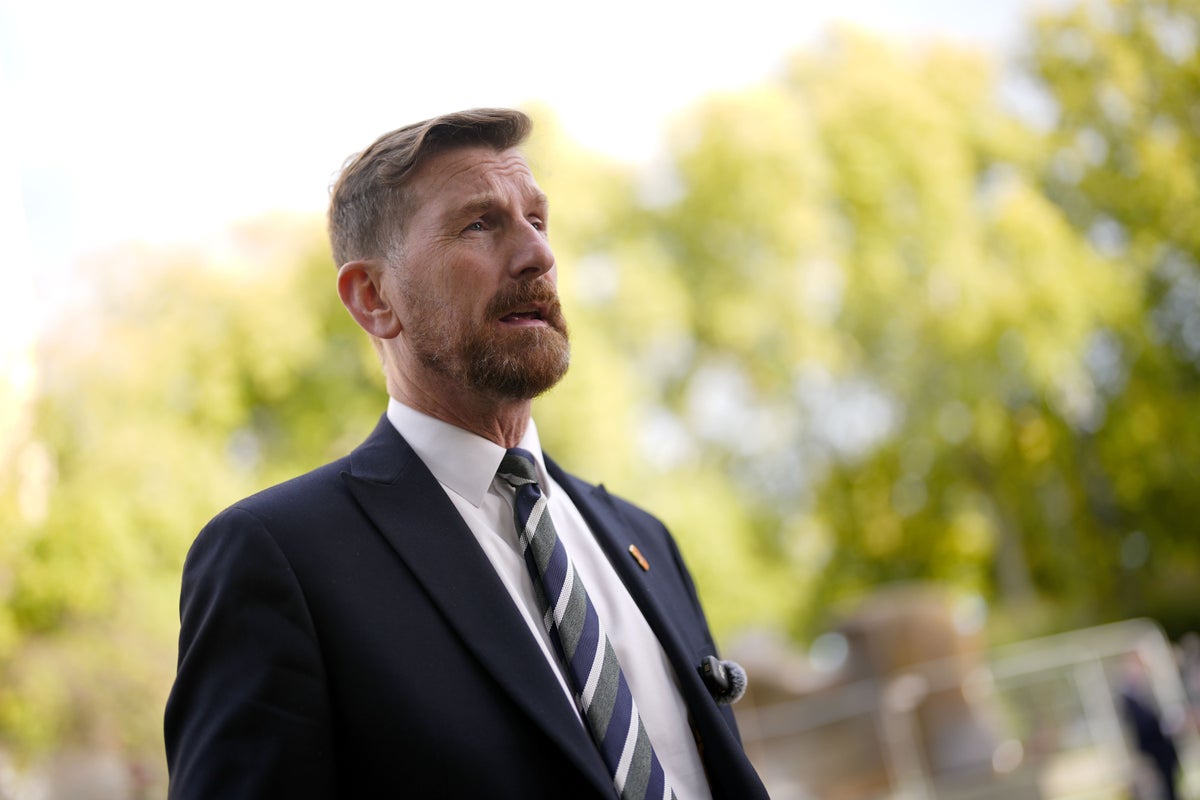
Economic anxiety was further amplified by reports highlighting falling household resources. According to The Independent, SNP Westminster leader Dave Doogan MP asserted that typical working-aged households face a severe drop in disposable income over the coming years, citing independent projections from the Resolution Foundation and the Institute for Fiscal Studies. Mr Doogan claimed that energy bills and household costs continue to rise despite earlier promises of relief. In response, the UK Government pointed to separate remarks by Mr Healey on Channel 4 acknowledging that families remain under severe financial pressure, insisting that job creation and business growth remain the primary routes to recovery.
The constitutional friction intensified when the first ministers of Wales, Scotland, and Northern Ireland gathered in Cardiff Bay. As reported by the BBC, Welsh First Minister Rhun ap Iorwerth, Scottish First Minister John Swinney, and Northern Ireland First Minister Michelle O'Neill, alongside Sinn Féin president Mary Lou McDonald, signed a joint memorandum declaring that Westminster's time is coming to an end. The nationalist leaders argued that no central administration possesses the right to block democracy or self-determination, though unionist figures across the regions fiercely condemned the gathering. Welsh Conservative leader Darren Millar and Reform UK regional leader Dan Thomas criticised the focus on constitutional division rather than domestic public services, while DUP deputy first minister Emma Little-Pengelly accused Ms O'Neill of attempting to weaponise her office.
| Region / Leader | Party | Stance on Independence / Devolution |
|---|---|---|
| Rhun ap Iorwerth | Plaid Cymru | Pursuing a national commission to lay foundations for future independence |
| John Swinney | SNP | Calling for an immediate route to a Scottish independence referendum |
| Michelle O'Neill | Sinn Féin | Demanding self-determination and arguing Westminster fails local people |
What happens next depends heavily on upcoming fiscal milestones and intergovernmental talks. Devolved leaders are scheduled to meet the Prime Minister next month to press their cases on funding formulas and devolved powers, while treasury officials prepare for the departmental spending review slated for the following year alongside the government's wider ten-year economic plan.
How significant is this development?
Contribute your assessment to the aggregated reader sentiment ledger.
Frequently Asked Questions
Key questions answered in this reportWhat is the key development in: John Healey hints Labour minimum wage age pledge may face election delay?
Chancellor John Healey has cast doubt on whether the government will fulfil its manifesto commitment to equalize minimum wage pay for younger workers before the next election.
Why is this Politics development significant for the UK?
This report covers critical events in our Politics beat. Independent reporting monitors related UK statements, regulatory shifts, and public responses as further verified details emerge.
How was this reporting corroborated and verified?
Newsarchy UK compiles and cross-references reporting from primary reporting from London Evening Standard and cross-checked wire reports. All coverage adheres to published editorial standards.
When was this report published?
This briefing was published on November 1, 2026 and is permanently cataloged in the Newsarchy UK Politics archives.