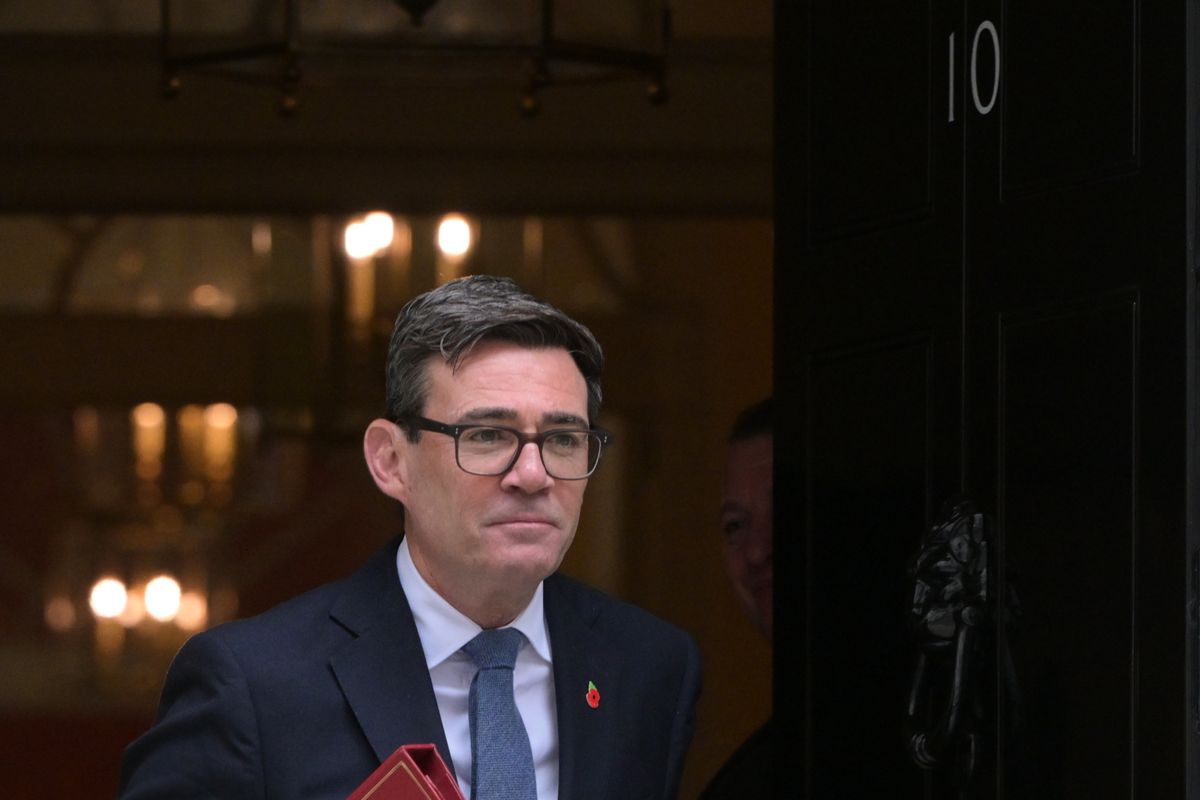
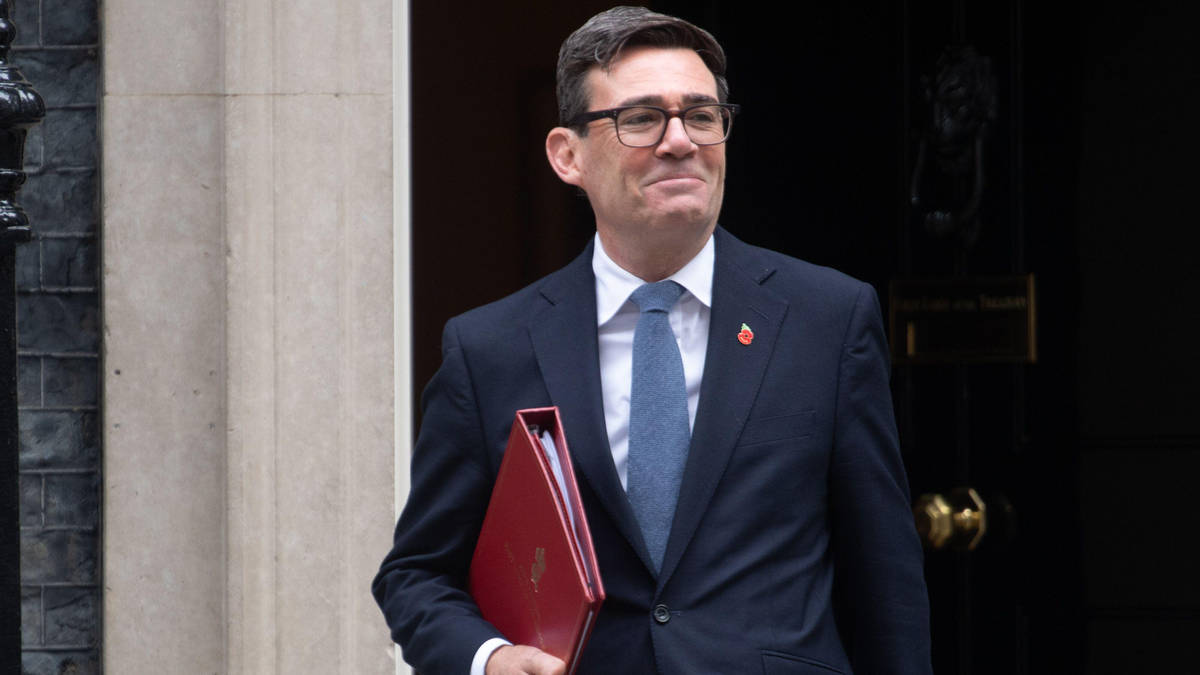
Rupert Lowe slams Andy Burnham over openness to slavery apology
Rupert Lowe has slammed Prime Minister Andy Burnham for expressing openness to a formal state apology for the transatlantic slave trade.

- Core Development: Rupert Lowe has slammed Prime Minister Andy Burnham for expressing openness to a formal state apology for the transatlantic slave trade.
- Beat Context: Categorized under Politics with independent corroboration.
- Reporting Depth: 3 minute analytical read synthesized from verified newsroom sources.
Rupert Lowe has launched a blistering attack on Andy Burnham, declaring that the Prime Minister risks looking pathetic by expressing openness to a formal state apology for the transatlantic slave trade. The sharp rebuke arrives as the debate over historical reparatory justice intensifies across Westminster and international arenas, drawing fierce reactions from across the political spectrum.
The controversy ignited after the Prime Minister indicated willingness to engage in structured dialogue concerning calls for a formal state apology. Writing in national media, the Prime Minister stated that listening to demands for an official apology forms a crucial part of an ongoing process with affected nations, while simultaneously rejecting financial compensation. For more background on government positioning, visit our ongoing Politics coverage.
Media additions
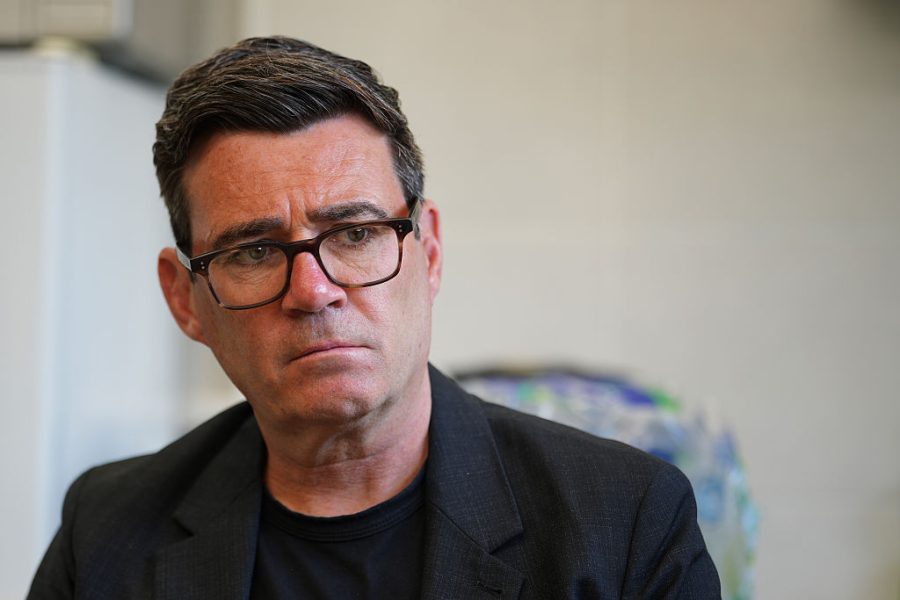
That distinction between symbolic apologies and financial payouts has failed to appease critics on either side. Mr Lowe, leading Restore Britain, pulled no punches in his condemnation of the stance. "If Burnham apologises over slavery, he's even more pathetic than we ever imagined," Mr Lowe stated, adding that the country should be unapologetic about defending its history and suggesting critics should sod off
as reported by the Express.
The timing of the debate coincides with ongoing high-level international tours and upcoming summits involving Commonwealth leaders. Caribbean nations have consistently pressed for formal acknowledgements and reparatory measures. Prime Minister Mia Amor Mottley of Barbados welcomed the British counterpart's acknowledgement of historical brutality and openness to dialogue, contrasting sharply with domestic opposition.
Meanwhile, other Conservative and Reform figures joined the chorus of pushback. Shadow Culture Secretary Rebecca Paul argued that constant self-flagellation remains divisive and serves no useful purpose. While acknowledging the horrors of the transatlantic trade, she emphasised that Britain ultimately led the charge in abolishing the practice. Reform UK MP Andrew Rosindell questioned the utility of renewed modern debates, pointing out that historical figures addressed the matter long ago, and suggested attention might better serve the millions trapped in modern forms of forced labour worldwide.
| Perspective / Figure | Stance on Apology | Stance on Reparations |
|---|---|---|
| Prime Minister Andy Burnham | Open to dialogue and formal apology consideration | Firmly ruled out |
| Rupert Lowe (Restore Britain) | Strongly opposed (nothing to apologise for) | Strongly opposed |
| Rebecca Paul (Shadow Culture Secretary) | Advocates honest acknowledgement alongside abolition pride | Not specified |
| Mia Amor Mottley (PM of Barbados) | Welcomed acknowledgement and openness | Favours reparatory justice |
| Denis O’Brien (The Repair Campaign) | Demands full and formal apology immediately | Sees apology as step towards reparatory justice |
Campaign groups argue that symbolic gestures alone remain insufficient. Denis O'Brien, founder of The Repair Campaign representing transatlantic reparatory justice movements, labelled the government's current position disappointing, maintaining that an immediate formal apology must serve as a prerequisite step ahead of forthcoming Commonwealth Heads of Government Meetings.
Broader institutional and leadership critiques have compounded the domestic pressure facing Downing Street. Observers note that debates over national history arrive amid wider questions regarding executive competence and long-term strategic direction. Commentary from publications such as The Spectator highlights deep-seated scepticism regarding how successive administrations navigate complex geopolitical and cultural disputes.
What to Watch Next
- Upcoming Commonwealth heads of government discussions involving Caribbean delegations.
- Further developments regarding structured dialogue between the British government and nations affected by the transatlantic slave trade.
- Continued parliamentary clashes as opposition figures challenge the administration's historical narratives.
How significant is this development?
Contribute your assessment to the aggregated reader sentiment ledger.
Frequently Asked Questions
Key questions answered in this reportWhat is the key development in: Rupert Lowe slams Andy Burnham over openness to slavery apology?
Rupert Lowe has slammed Prime Minister Andy Burnham for expressing openness to a formal state apology for the transatlantic slave trade.
Why is this Politics development significant for the UK?
This report covers critical events in our Politics beat. Independent reporting monitors related UK statements, regulatory shifts, and public responses as further verified details emerge.
How was this reporting corroborated and verified?
Newsarchy UK compiles and cross-references reporting from primary reporting from The Spectator and cross-checked wire reports. All coverage adheres to published editorial standards.
When was this report published?
This briefing was published on October 31, 2026 and is permanently cataloged in the Newsarchy UK Politics archives.