UK digital pound fight turns into battle over crypto's political influence
A standards complaint regarding Reform UK's crypto-linked donations and political lobbying has complicated the Bank of England's digital pound project. As Parliament debates donation reforms, the future of Britain's payment infrastructure remains under review.
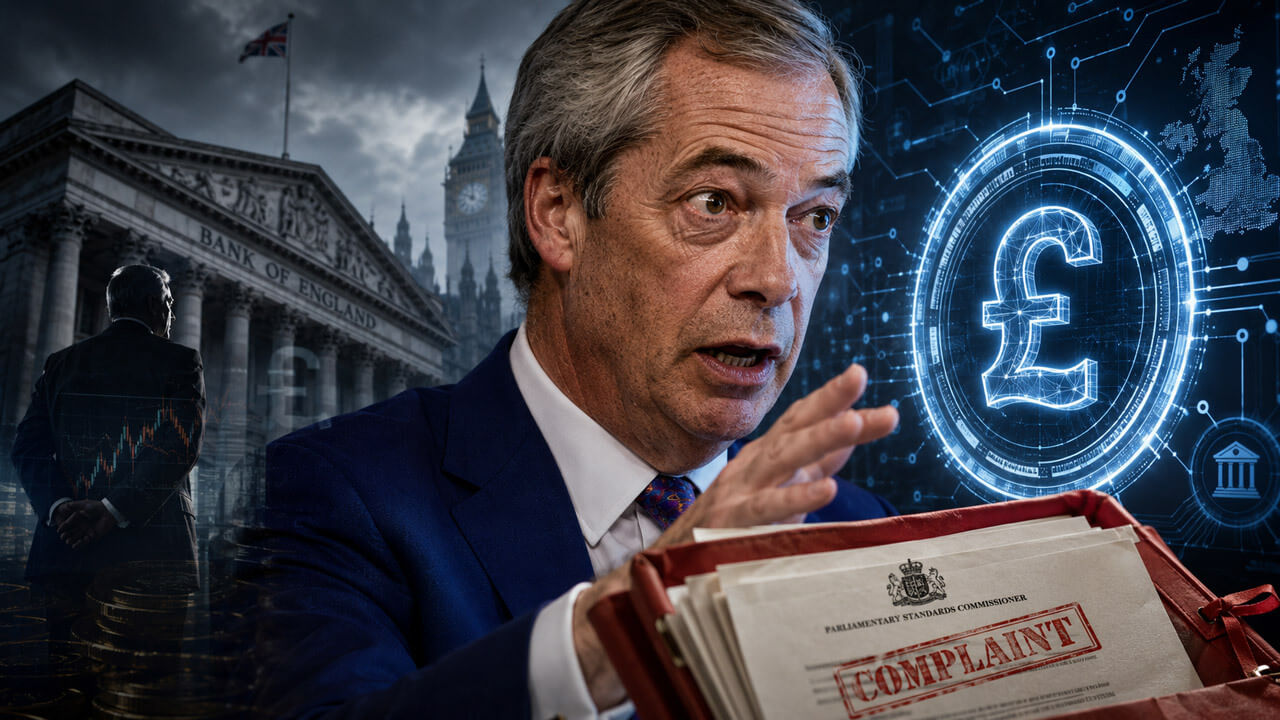
- Core Development: A standards complaint regarding Reform UK's crypto-linked donations and political lobbying has complicated the Bank of England's digital pound project. As Parliament debates donation reforms, the future of Britain's payment infrastructure remains under review.
- Beat Context: Categorized under Politics with independent corroboration.
- Reporting Depth: 4 minute analytical read synthesized from verified newsroom sources.
The clash over Britain’s future payment rails now sits at the intersection of a standards complaint, a £5 million crypto‑linked donation and a wave of public opposition, meaning the next months will decide whether the country’s digital‑pound blueprint is shaped in parliament, in the crypto industry, or in the Bank of England’s own design labs.
Design phase under pressure
Since October 2025 the Bank of England and HM Treasury have been running a “Digital Pound Lab”. The Bank says the work is an evidence‑based design phase that will produce a blueprint before the end of 2026, and any eventual launch would keep cash in circulation and would involve “central‑bank money rather than a cryptocurrency”.
Media additions

Public feedback has been massive. More than 50 000 responses were logged during the consultation period, many warning about privacy and the risk of “bank runs” in a crisis. Those concerns echo former governor Mervyn King’s description of the digital pound as a “solution without a problem”.
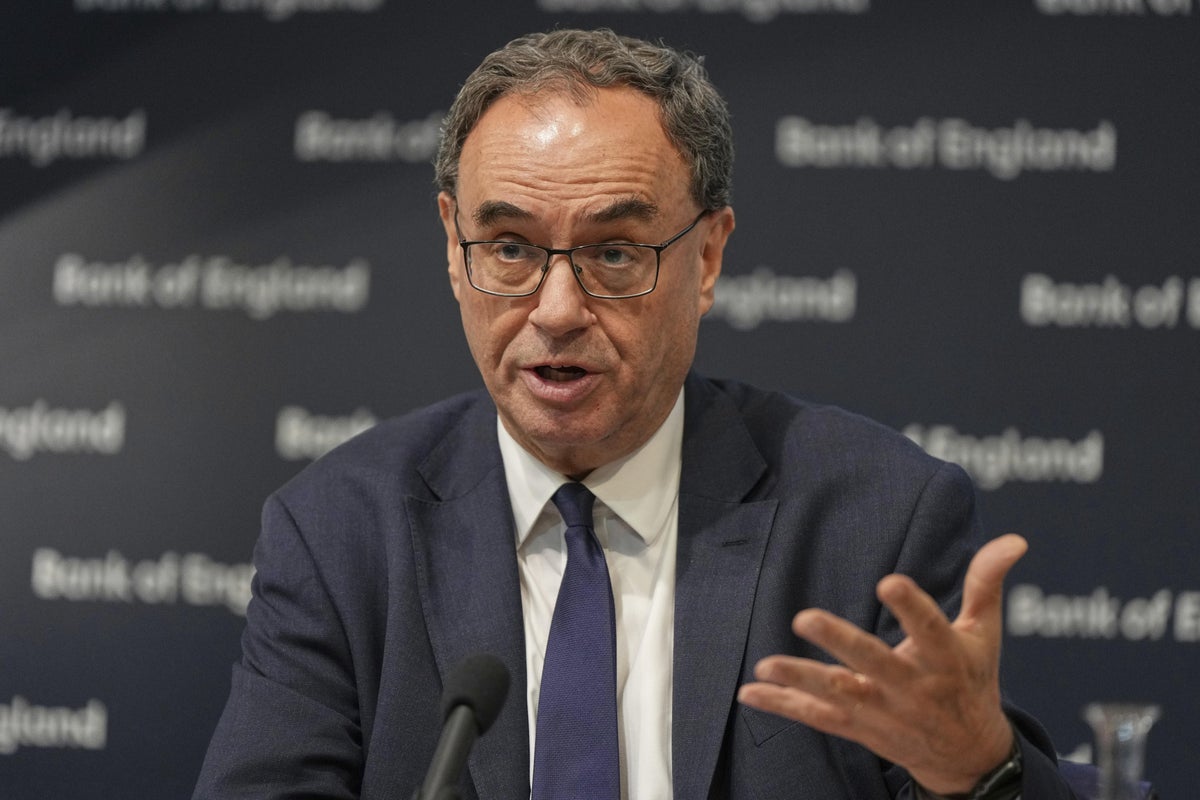
Governor Andrew Bailey has repeatedly signalled a shift in tone. Speaking at the Mansion House dinner he told the audience, “If commercial bank innovations succeed, I question why we need to introduce a new form of money.” He added that stablecoins “may well be a role … but I don’t see them as a substitute for commercial bank money”.
“There may well be a role for stablecoins going forward, but I don’t see them as a substitute for commercial bank money.”
Andrew Bailey, Governor of the Bank of England, via Independent
Farage’s challenge becomes a standards case
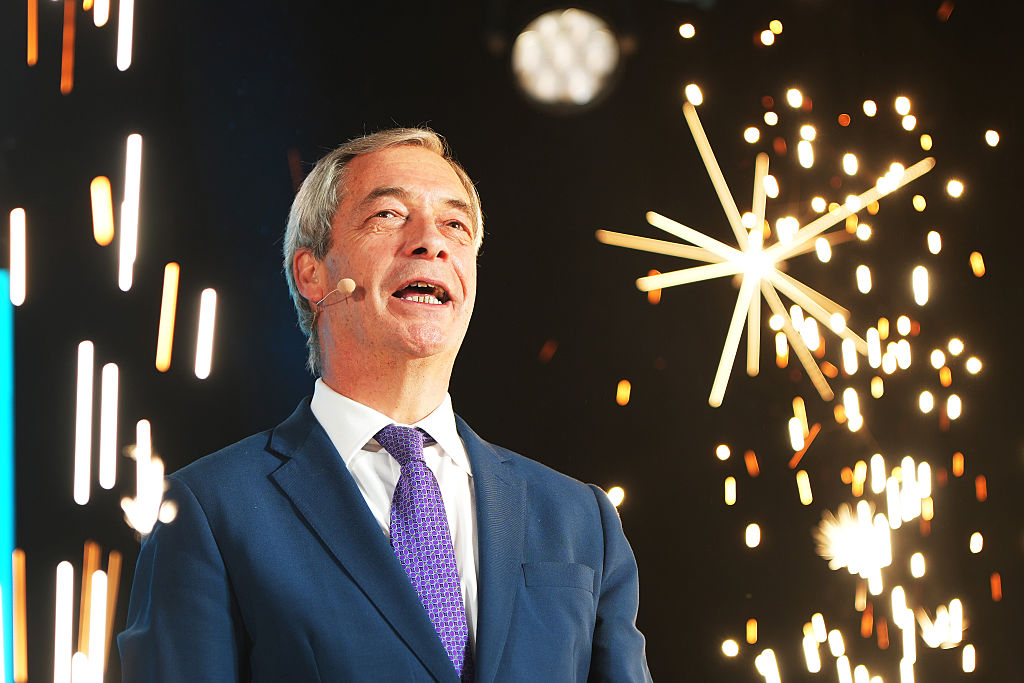
In September 2025 Nigel Farage, leader of Reform UK, met Bailey alongside Reform MP Richard Tice. Farage later described the encounter at a crypto conference as a “challenge” to the Bank’s digital‑pound work. The Bank said the meeting was routine engagement with elected officials.
Labour MP Phil Brickell lodged a formal complaint on 2 July, asking the Parliamentary Commissioner for Standards to investigate whether Farage breached lobbying rules after Reform UK received a £5 million contribution from Christopher Harborne, a major Tether shareholder. The commissioner’s website lists a Rule 5 “failure‑to‑register” inquiry opened on 13 May 2026 and notes the new complaint is still in the fact‑finding stage. No finding has been published yet.
Both Farage and Harborne have denied any wrongdoing. Harborne’s representatives described the donation as a routine political contribution, while Farage insisted the money was unconditional. If the watchdog accepts the complaint, a formal lobbying‑rules investigation could lead to sanctions ranging from a reprimand to suspension from Parliament.
Political‑finance reforms add another layer
In March 2025 the government announced plans to cap donations from registered overseas electors and to ban cryptocurrency donations until a regulatory framework is in place. Those measures are tied to the Rycroft Review on foreign financial interference and are slated for inclusion in the Representation of the People Bill. The bill faces its final Commons stages on 14 July 2026, but House of Commons Library notes that retroactive legislative provisions needed to make the caps and crypto‑donation moratorium legally effective have not yet been brought forward.
Electoral Commission guidance now treats crypto‑assets as property rather than currency. Parties must still identify donors, check permissibility and value donations in pounds, but the guidance warns that “crypto presents particular challenges for identifying donors and ensuring funds are permissible”.
Industry stakes and wider context
- Reform UK, buoyed by crypto‑friendly donors, argues that stablecoins accelerate innovation and should face fewer limits.
- Stablecoin issuers such as Tether view a digital pound as a potential competitor to private payment rails.
- The Bank’s own “multi‑money” vision frames households and businesses as potentially using cash, commercial‑bank deposits, stablecoins, tokenised assets and a digital pound at equal value.
- Globally, only three nations – the Bahamas, Jamaica and Nigeria – have fully launched CBDCs, while countries like the United States and South Korea are pausing their research.
Farage’s campaign against the digital pound also ties into a broader narrative of crypto‑political influence. In May 2025 Reform UK made headlines by accepting Bitcoin donations, positioning itself as a pioneer among major UK parties. Farage has even suggested the Bank explore a strategic reserve of Bitcoin, linking political ambition with the cryptocurrency sector.
What comes next
The Parliamentary Commissioner for Standards is still in the fact‑finding stage on the Farage complaint, and any decision on a separate lobbying inquiry will shape the precedents for future political‑access claims. Meanwhile, the Bank of England expects to deliver its digital‑pound blueprint later in 2026, and the Representation of the People Bill will be debated in its remaining Commons stages on 14 July 2026. The outcome of those debates will determine whether caps on overseas donations and a crypto‑donation moratorium become law, and whether the digital‑pound project proceeds, is revised or is shelved.
All eyes are on the interaction between the standards watchdog, the evolving political‑finance reforms and the Bank’s own reassessment of private‑sector payment innovations. The next few weeks will reveal whether Britain’s future payment infrastructure is decided by technologists, by crypto investors with political clout, or by a parliamentary process that forces all three to play on an even field.
How significant is this development?
Contribute your assessment to the aggregated reader sentiment ledger.
Frequently Asked Questions
Key questions answered in this reportWhat is the key development in: UK digital pound fight turns into battle over crypto's political influence?
A standards complaint regarding Reform UK's crypto-linked donations and political lobbying has complicated the Bank of England's digital pound project. As Parliament debates donation reforms, the future of Britain's payment infrastructure remains under review.
Why is this Politics development significant for the UK?
This report covers critical events in our Politics beat. Independent reporting monitors related UK statements, regulatory shifts, and public responses as further verified details emerge.
How was this reporting corroborated and verified?
Newsarchy UK compiles and cross-references reporting from primary reporting from cryptoslate.com and cross-checked wire reports. All coverage adheres to published editorial standards.
When was this report published?
This briefing was published on July 4, 2026 and is permanently cataloged in the Newsarchy UK Politics archives.