The Brexit debate is back – and there are nerves about what happens next
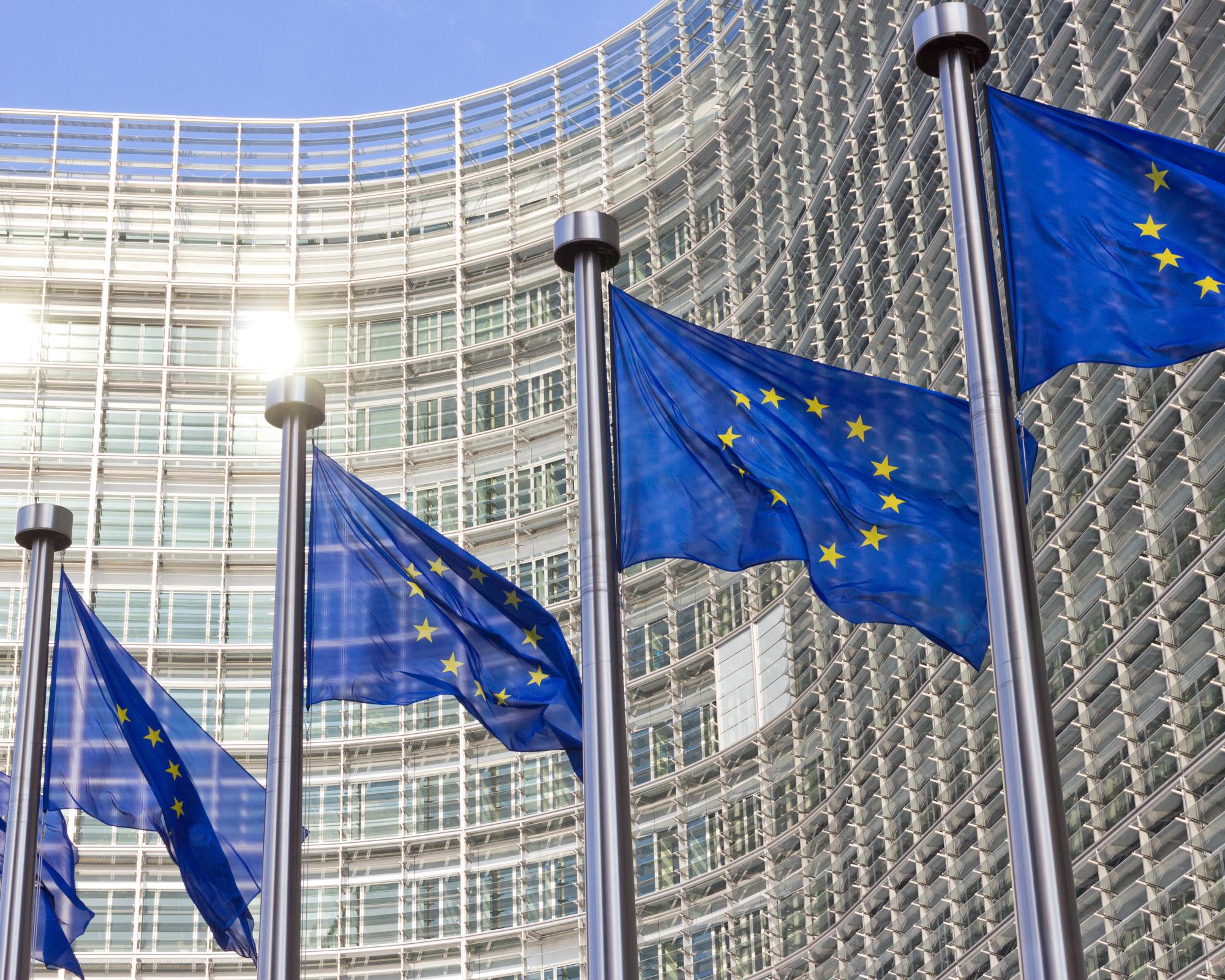
As UK-EU negotiations approach a critical conclusion over trade and youth mobility, renewed political debate has divided Westminster ahead of a Brussels summit.

Negotiations between the European Union and the United Kingdom are heading toward a critical conclusion, according to Downing Street statements covered by Aol.
The looming talks centre on food trade rules, carbon emissions pricing, and a proposed youth mobility scheme designed to ease travel and employment for young people across the UK and the continent. While the UK already maintains youth mobility schemes with non-EU nations including Australia, Canada, and India, previous Labour figures initially rejected the EU's proposals over freedom of movement concerns. Current discussions have hit sticking points regarding UK caps on participant numbers and EU demands for equal university tuition fees for continental students.
Media additions

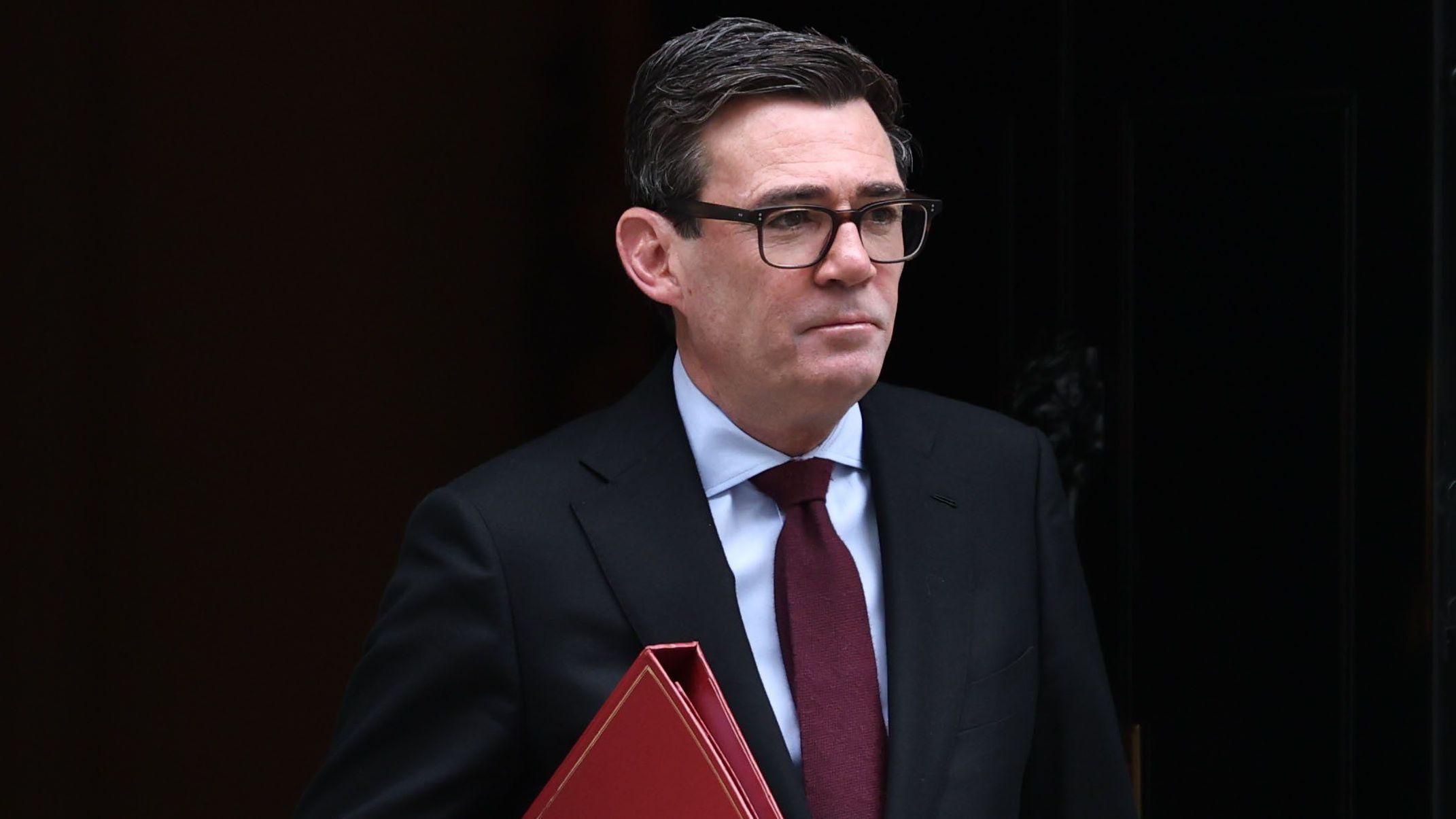
Prime Minister Andy Burnham defended the push during broadcast interviews, pointing to potential benefits for households and businesses. There would always be those circumstances because I'm in this to get the best deal for Britain, always,
Burnham said when asked about walking away from negotiations, highlighting potential reductions in food prices, lower business costs, and enhanced law enforcement collaboration on Channel crossings. A Downing Street spokesman argued that the choice before the country is stark, stating according to Aol reporting:
"The choice over the coming days is clear: stand with Boris Johnson and Kemi Badenoch defending a broken status quo, or with Andy Burnham delivering change, cutting costs for business, helping with the costs of the weekly shop and creating opportunities for young people."
Prime minister's spokesman, Downing Street, via Aol
Yet the diplomatic push has sharply divided domestic politicians. Conservative leader Kemi Badenoch accused the prime minister of reopening old divisions, telling the BBC's Today programme that new arrangements could force domestic companies to follow EU rules even without trading across the bloc. Reform UK leader Nigel Farage dismissed the strategy in remarks to The Sun, claiming the country would never vote to rejoin and alleging that the prime minister was playing a cynical political game to capture Liberal Democrat and Green voters while distracting from domestic challenges.
Cabinet tensions have also surfaced. Former Deputy Prime Minister David Lammy publicly urged the government to enter the next general election promising to renegotiate EU membership and hold another referendum, joining figures such as former Chancellor Rachel Reeves, former Business Secretary Peter Kyle, and former Welsh Secretary Jo Stevens in revisiting the bloc's role. These developments mark a notable shift from the red lines established in the 2024 Labour manifesto, which pledged not to rejoin the single market, customs union, or the EU.
| Proposed Agreement Area | Key Elements & Sticking Points |
|---|---|
| Youth Mobility Scheme | Facilitates working and travelling for young adults; UK seeks caps and benefit bans, while EU requests equal tuition fees for students. |
| Food Trade Rules | Aims to eliminate export checks and paperwork, potentially adding billions to the economy and lowering prices, with trade-offs regarding gene-edited crop regulations. |
| Law Enforcement | Explores deeper collaboration, shared data, and criminal record tracking for foreign nationals. |
Within the governing party, the renewed focus on Europe has provoked mixed reactions. While some backbenchers welcome the debate as a way to appeal to progressive voters, others worry the topic is toxic and risks overshadowing domestic priorities or fueling Scottish independence arguments. Allies of the prime minister maintain that tying EU discussions to broader domestic plans will aid re-industrialisation and cost-of-living efforts, but critics remain wary of the fallout.
Outside Westminster, the political landscape is also shifting. A new group called Stay Out has been set up, backed by figures who participated in the official 2016 Leave campaign, while pro-EU groups such as the European Movement are raising their voices. A long-standing diplomat from an EU member state noted that political changes within the bloc, alongside associate membership offers to Canada and potential arrangements with Ukraine, could make Brussels more open to looser forms of membership.
What happens next depends heavily on Friday's summit in Brussels, where the prime minister is scheduled to sign a new deal intended to cut red tape and drive economic growth. Downing Street indicated that if an agreement is reached, implementing legislation will be introduced to Parliament next week, while the broader long-term relationship options and the prime-ministerial 10-year plan are set to be laid out before Parliament's Christmas break.
For more developments, follow our Politics coverage.