UK to explore closer EU ties after agreeing post-Brexit deal
Prime Minister Andy Burnham finalised a post-Brexit reset in Brussels covering food exports, a youth experience scheme and linked emissions trading, while leaving tuition fees and EU budget contributions unresolved.

UK to explore closer EU ties after agreeing post-Brexit deal.
Prime Minister Andy Burnham arrived in Brussels to finalise a post-Brexit relations reset originally initiated by former prime minister Sir Keir Starmer. Following the summit, Burnham announced that the UK will discuss options for even closer ties with the European Union, pointing to public polling that he argues demonstrates an appetite for a tighter relationship.
Media additions
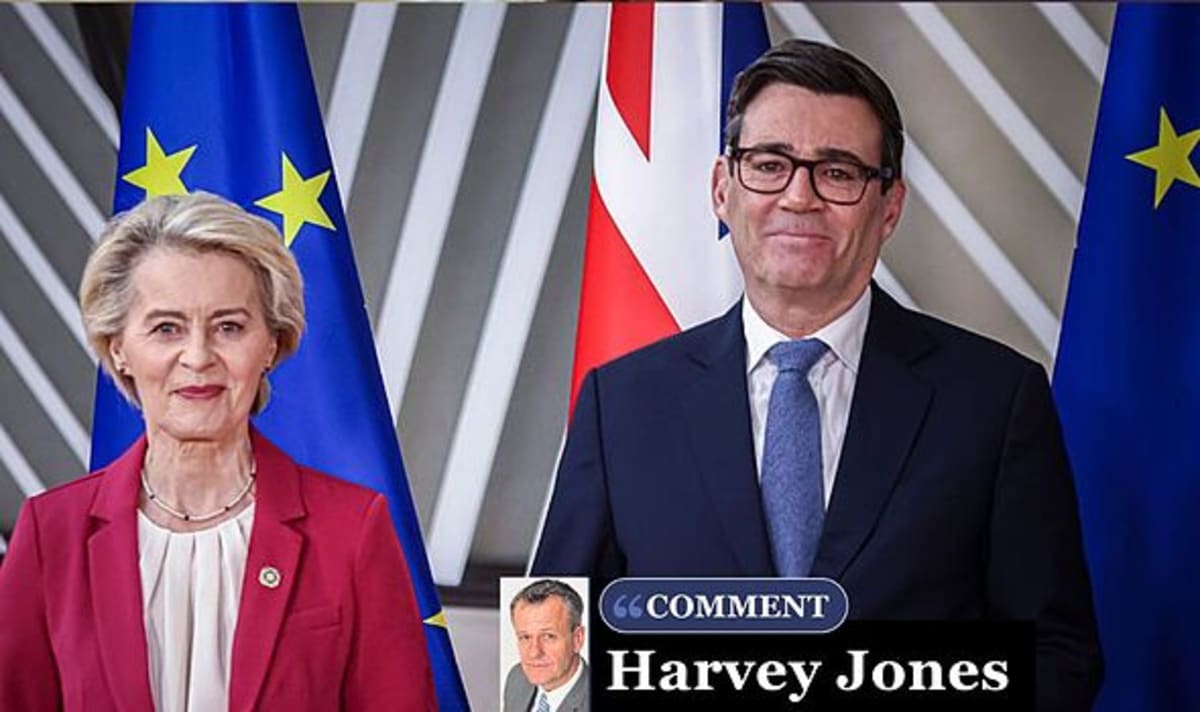
The newly agreed deal covers British food exports, carbon emissions trading, and a youth experience scheme. According to the BBC, Burnham hailed the outcome as a "good day" for Britain and Europe, citing Treasury analysis suggesting the measures could provide a £17bn boost to the UK economy. European Council President António Costa stated that the EU remains open to establishing the closest possible relationship with the UK, while European Commission President Ursula von der Leyen described the summit as a turning point.
However, critical coverage from Aol argued that the prime minister made substantial concessions to Brussels without securing equivalent long-term guarantees. The agreement includes scrapping most checks on British food exports in exchange for the UK aligning with certain EU regulations starting in 2028. Government figures suggest this will cut costs for businesses and lower shopper prices, though critics contend it turns the UK into a rule-taker rather than a rule-maker.
The summit also established a youth experience scheme enabling up to 100,000 individuals aged 18 to 31 from the EU to travel, work, and study in the UK for up to three years, with reciprocal access for young Britons. Both sides aim to implement this scheme by no later than January 2030. Additionally, talks concluded on linking the UK and EU emissions trading systems, with an implementation target of 2028.
Financial and Institutional Stumbling Blocks
Negotiations left several fiscal details unresolved, notably concerning university tuition fees and potential UK contributions to EU cohesion funds in exchange for internal electricity market access. European officials have pressed for EU students to pay domestic British tuition rates rather than international fees. While no final agreement was reached, a further six-month window has been opened to resolve the issue.
| Source / Estimator | Estimated Annual Cost / Impact |
|---|---|
| First estimate cited by AOL | £450 million a year |
| Russell Group | £570 million a year |
| HM Treasury (via BBC) | Up to £17bn boost per year (representing up to 0.5% of GDP) |
According to AOL, the Treasury’s projected £17bn economic uplift is expected to materialise by 2040 and depends on initial financial contributions. The European Commission is presently negotiating its seven-year budget for 2028 to 2034, seeking nearly €2trillion, up from €1.21trillion in the previous cycle. AOL reported that Burnham also agreed to keep discussing UK financial contributions to EU cohesion funds, potentially running into hundreds of millions of pounds.
Political Fallout and Domestic Reaction
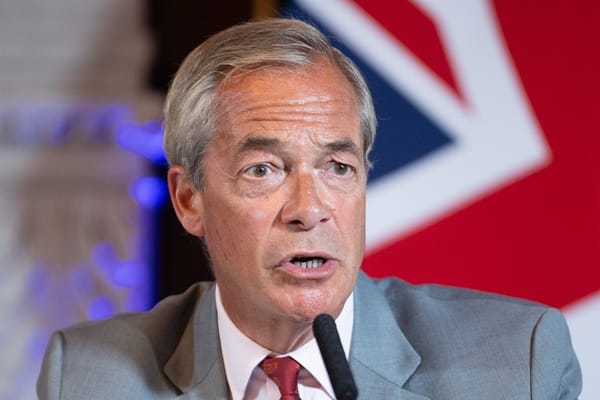
The deal immediately triggered sharp domestic division across the political spectrum. Conservative leader Kemi Badenoch condemned the agreement as unfair, arguing that UK farmers will be forced to follow Brussels-set regulations and young Britons will face increased job competition. Badenoch also challenged the government's economic projections, claiming the £17bn figure was plucked from the air and citing alternative modelling suggesting an impact of 0.0%. Reform leader Nigel Farage labeled the pact a betrayal of the British people designed to humiliate the UK. Liberal Democrat leader Sir Ed Davey argued the agreement did not go far enough, calling for a comprehensive new deal rather than incremental tweaks.
Despite criticism, Burnham maintained that the package adheres to the 2024 Labour general election manifesto pledge ruling out a return to the single market, customs union, or freedom of movement. He emphasized that the British public will ultimately dictate future steps.
What to Watch Next
- Legislation required to implement the current deal is expected to be introduced in the UK Parliament next week.
- A six-month negotiation window is underway to resolve differences regarding university tuition fees for EU students.
- The government plans to publish a 10-year plan next month detailing its broader ambitions for reindustrialisation and long-term relations.
- Both governments intend to conduct an informal brainstorming process over the coming months ahead of the next UK-EU summit to evaluate further options for integration.