Politics defined as blend of conflict and cooperation in human society
The UK prison system faces critical overcrowding pressures, triggering intense political debate, policy adjustments, and public scrutiny over early release schemes.
- Core Development: The UK prison system faces critical overcrowding pressures, triggering intense political debate, policy adjustments, and public scrutiny over early release schemes.
- Beat Context: Categorized under Politics with independent corroboration.
- Reporting Depth: 3 minute analytical read synthesized from verified newsroom sources.
Politics is the fundamental human activity of settling affairs in an organized society, operating as a distinct characteristic blend of conflict and cooperation. As political scientist Michael Laver observed, pure conflict is war and pure co-operation is true love, whereas politics occupies the complex and often precarious space between them. This delicate balance plays out across governance systems, state institutions, and public policy, never more visibly than in the high-stakes arena of criminal justice reform. Here, the friction between public safety, state authority, and legislative design shapes the day-to-day realities of citizens.
The practical consequences of this political friction are currently testing the prison early release scheme in England and Wales. Under rules introduced by the Starmer administration via the Sentencing Act 2026, standard determinate sentences were slated for structural shifts. Prisoners previously serving 40% or 50% of their terms behind bars were scheduled to leave after a third of their sentence, while those serving two-thirds were to be released at the halfway mark. These measures were engineered to avert a total capacity collapse, with the broader Politics landscape heavily influenced by public trust, institutional capability, and penal capacity.
Media additions

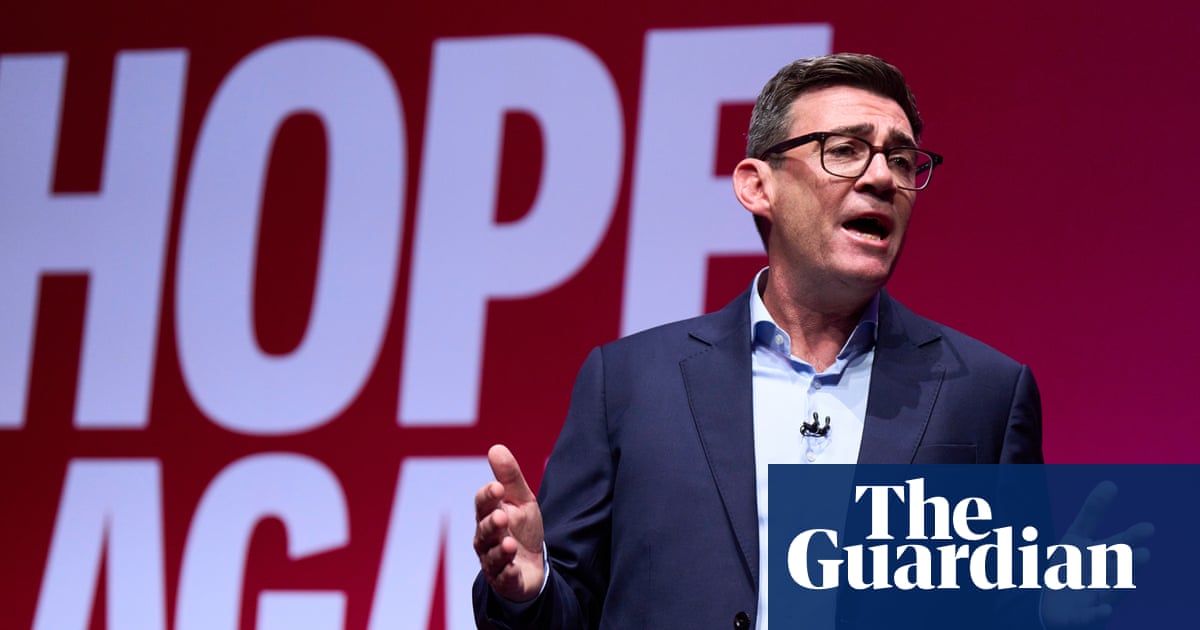
Yet the transition from policy design to enforcement has proved turbulent. Following public objections from victims' advocates — including Lissie Harper, whose husband was a murdered policeman — Prime Minister Andy Burnham's government faced intense pressure over the timing and scope of the releases. Ministries scrambled to adjust parameters, excluding specific categories of serious offenders such as those convicted of manslaughter, death by dangerous driving, and serious sexual offenses. Ministry of Justice insiders noted that options remain exceptionally constrained, describing the underlying challenge simply as a numbers game where space is running out fast.
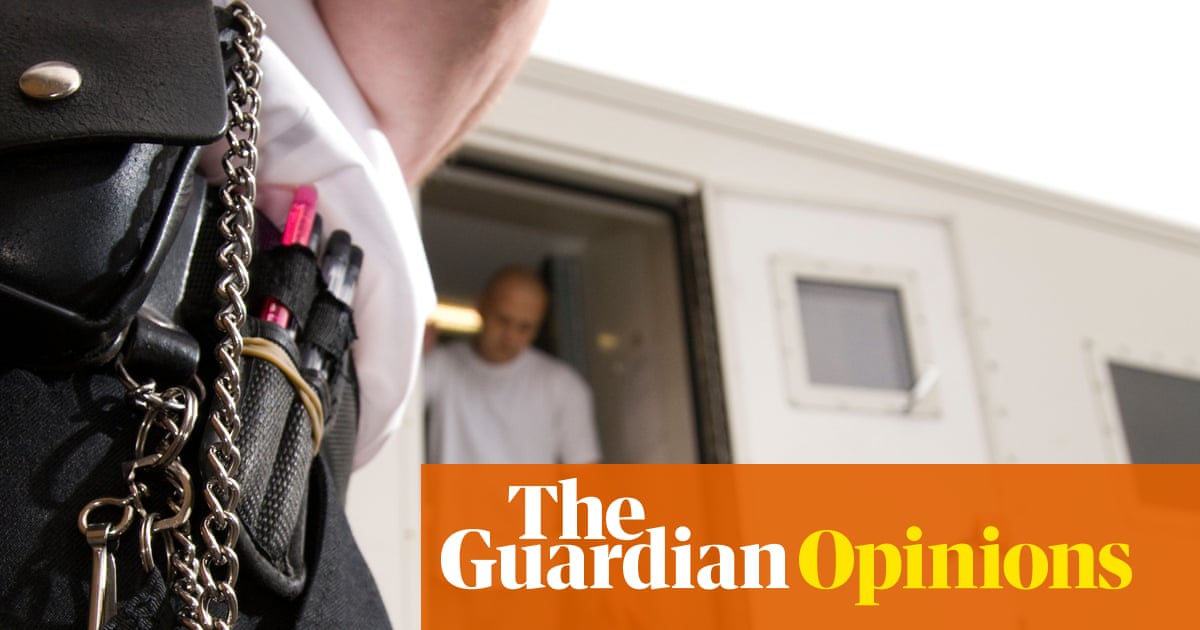
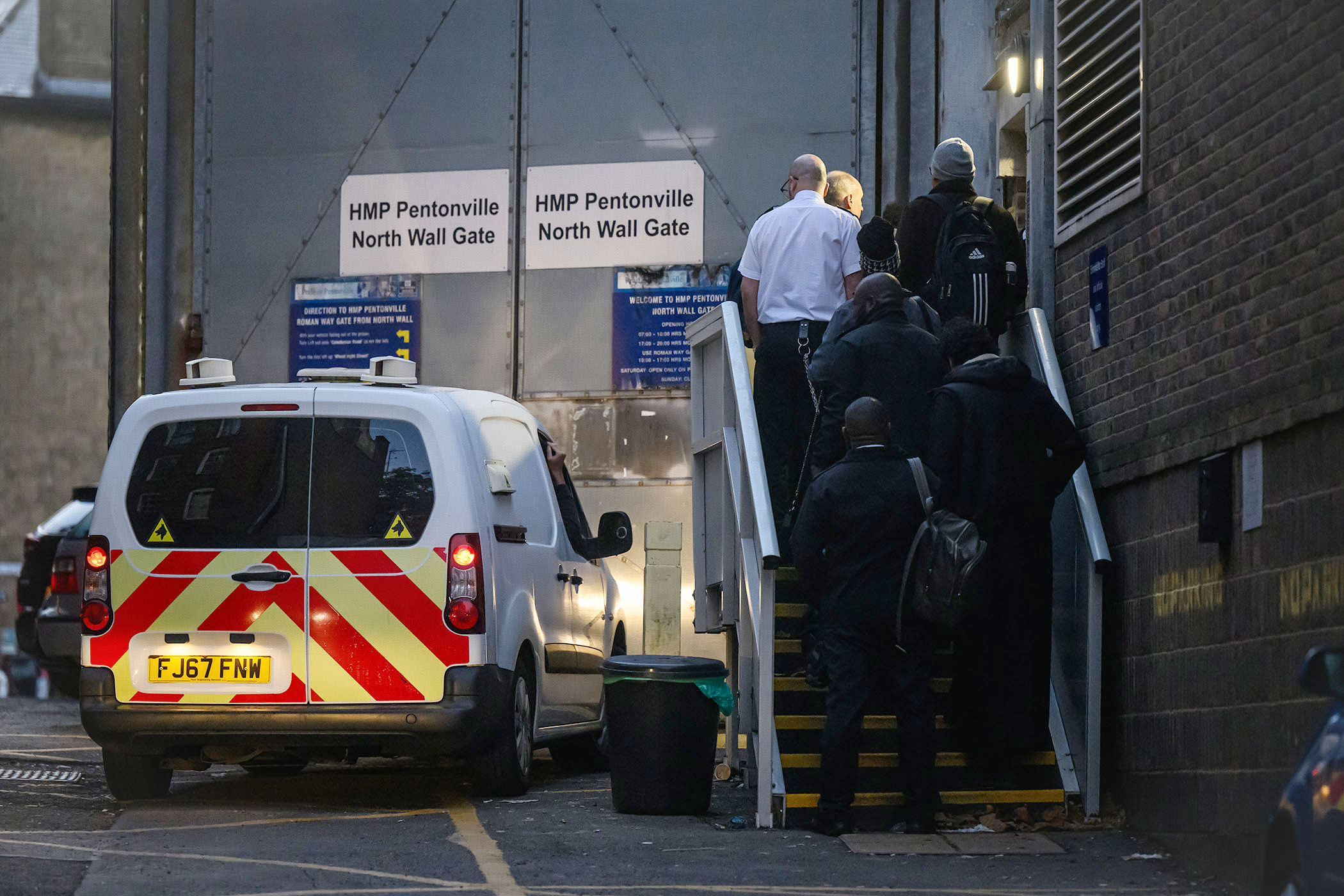
According to figures reported by The Observer, the prison population stood at 88,098 individuals with headroom for just 2,938 more. Projections indicate that without intervention, the system will completely run out of space. The following breakdown illustrates the contrasting trajectories of the prison population under different policy pathways:
| Policy Scenario | Projected Population by March 2030 | Operational Impact |
|---|---|---|
| Without Sentencing Act Early Release | 100,600 (Central estimate, ranging 98,000 to 103,600) | System reaches absolute capacity collapse by November without emergency measures. |
| With Sentencing Act Early Release | Approximately 3,600 lower than the unmitigated projection | Relieves immediate population pressure by shifting more of the sentence into community supervision. |
Beyond capacity figures, external experts argue that early release alone cannot fix systemic flaws. Enver Solomon, chief executive of the criminal justice charity Nacro, writing in The Guardian, emphasized that policymakers must level with the public about sentencing realities and invest heavily in rehabilitation. Solomon pointed out that the staggering increase in prisoner recalls, accounting for one in seven inmates compared to one in 13 a decade ago, represents an unsustainable strain on both custodial facilities and an undervalued probation service. Probation officers are increasingly burdened by surveillance and compliance duties rather than person-centred social work.
The wider political backdrop also encompasses international security concerns and public protests. As reported in blog commentary covering regional security and domestic arrests, British authorities recently detained five men near RAF Fairford following threats linked to geopolitical tensions, while civil society debates continue over foreign policy alignment and domestic policing. These overlapping crises highlight how governance requires managing multiple friction points simultaneously.
What happens next depends on imminent institutional decisions. The Ministry of Justice faces a narrowing window to square mounting prisoner numbers against public safety demands ahead of projected capacity exhaustion. Observers will be watching whether additional prison building targets can be delivered despite historical planning delays, or if further emergency measures will be forced upon the administration as the system navigates its next critical phase.
How significant is this development?
Contribute your assessment to the aggregated reader sentiment ledger.
Frequently Asked Questions
Key questions answered in this reportWhat is the key development in: Politics defined as blend of conflict and cooperation in human society?
The UK prison system faces critical overcrowding pressures, triggering intense political debate, policy adjustments, and public scrutiny over early release schemes.
Why is this Politics development significant for the UK?
This report covers critical events in our Politics beat. Independent reporting monitors related UK statements, regulatory shifts, and public responses as further verified details emerge.
How was this reporting corroborated and verified?
Newsarchy UK compiles and cross-references reporting from primary reporting from BBC and cross-checked wire reports. All coverage adheres to published editorial standards.
When was this report published?
This briefing was published on October 1, 2026 and is permanently cataloged in the Newsarchy UK Politics archives.