US envoys hold first peace talks with Zelenskyy in Kyiv
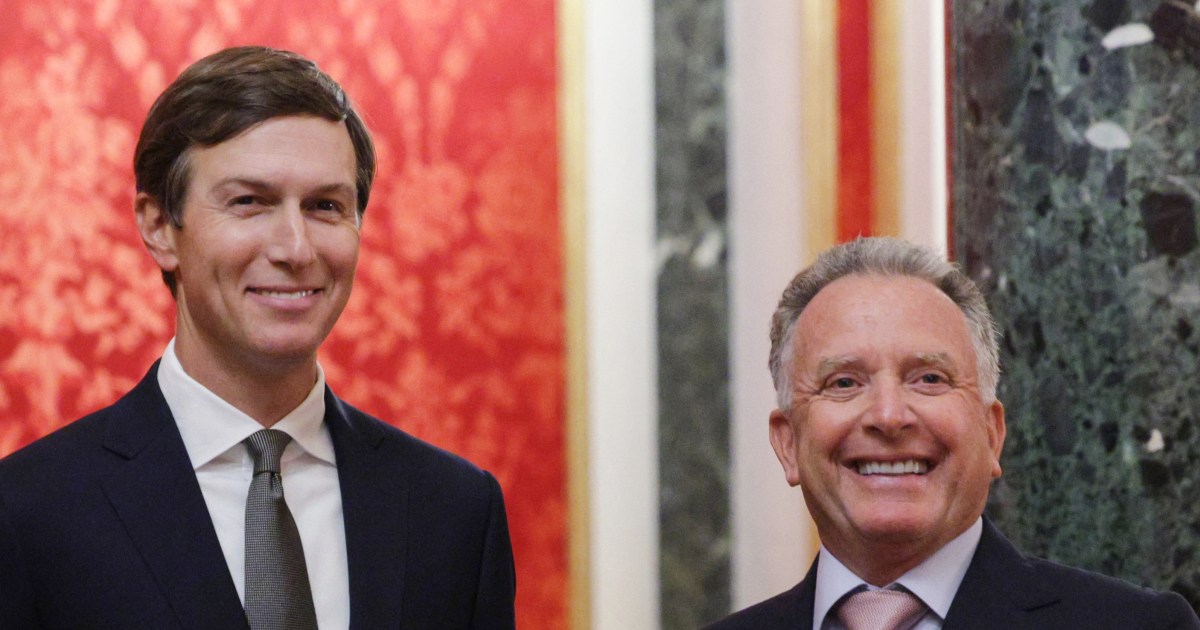
US special envoys Steve Witkoff and Jared Kushner arrived in Kyiv to hold talks with President Volodymyr Zelenskyy following meetings with Vladimir Putin in Moscow.

- Core Development: US special envoys Steve Witkoff and Jared Kushner arrived in Kyiv to hold talks with President Volodymyr Zelenskyy following meetings with Vladimir Putin in Moscow.
- Beat Context: Categorized under Politics with independent corroboration.
- Reporting Depth: 4 minute analytical read synthesized from verified newsroom sources.
US special envoys Steve Witkoff and Jared Kushner arrived in Kyiv on Sunday, marking the first time the American delegation has set foot in the Ukrainian capital since the full‑scale invasion began in February 2022. The visit followed a three‑hour meeting with Russian President Vladimir Putin in Moscow the day before, a sequence that the Trump administration hopes will breathe new life into stalled diplomatic efforts.
The envoys travelled to Kyiv by train from Poland after a flight from Moscow, a journey that bridged a long‑standing physical gap in Washington’s mediation strategy. Their arrival was greeted by President Volodymyr Zelenskyy, who took them to the historic Saint Sophia’s Cathedral, a site that had been struck by a Russian drone the previous Friday. The cathedral sits opposite the Security Service of Ukraine (SBU) headquarters, underscoring the ongoing threat to the capital.
Media additions


In the first round of talks, Zelenskyy and the US team discussed a range of issues from air‑defence needs to a “dignified post‑war peace.” The president reiterated that territorial questions must be resolved at the leader level, a stance that has left Moscow unwilling to concede on the status of eastern regions such as Luhansk and Donetsk.
European participation added a multilateral dimension to the dialogue. National security advisers from the United Kingdom, France and Germany joined the second round of talks in Kyiv, a move that Zelenskyy praised as evidence that “we are all on the same side.” Their presence reflects a broader effort to align Western security guarantees with the Ukrainian position.
While the talks in Kyiv offered a brief respite for the capital, the broader theatre of war remained active. Both sides agreed to pause strikes on each other’s capitals for three days, but attacks on other Ukrainian cities continued. The Ukrainian Air Force reported intercepting 82 of 108 Russian drones launched overnight, together with six missiles. Russian forces struck a cargo vessel in the Black Sea and claimed to have downed 400 drones in the past 24 hours. The Ukrainian State Emergency Service recorded one fatal drone strike in Zaporizhzhia and a building hit in Khmelnytskyi, with at least ten people injured across several regions.
In Moscow, the envoys spent more than three hours at the Kremlin. President Putin’s foreign‑policy adviser Yuri Ushakov described the meeting as “highly useful,” “extremely frank” and “constructive.” He added that the discussion went beyond the battlefield, touching on potential economic ventures between Russia and the United States. No concrete proposals emerged from the Moscow session, but the White House said new plans would be announced in the coming weeks.
Trump’s involvement has been a recurring theme. The president has repeatedly said that the envoys were carrying a “proposal” to end the conflict and that he was “very determined to see an end to this war.” The US official who spoke to Reuters confirmed that substantive next steps would be unveiled soon, signalling a tentative shift from the earlier focus on the Iran war that had drawn diplomatic attention for the past six months.
Al Jazeera’s coverage noted that “little new information came out of the talks” and that the visit itself was the most significant takeaway. BBC reported that the US envoys felt “encouraged” and that the discussions were “substantive.” AP described the talks as “encouraging,” while Npr called them “substantive” and highlighted the envoys’ statement that “we have learned a lot from the trip.” These varied angles illustrate a consensus on the absence of breakthroughs, even as the envoys and the Ukrainian leadership maintain a cautious optimism.
The war’s context remains stark. Russia has claimed to be making “tangible advances” in the eastern front, yet Ukrainian forces have held most of the 1,250‑kilometre front line. Ukraine’s air‑defence capacity is strained, with a shortage of U.S.‑made Patriot interceptors that are critical for protecting energy infrastructure during the winter. Russia’s use of fast‑flying, jet‑powered drones has intensified, while Ukraine has targeted Russian energy and logistics sites to create shortages.
Looking ahead, both sides have agreed to resume strikes on each other’s capitals after the three‑day pause, but the broader campaign of air attacks is set to continue. The next round of meetings will involve the same US envoys, Ukrainian officials and European security advisers, with the White House saying new proposals would be announced in the coming weeks. The outcome of these talks will be closely watched, as the war’s trajectory hinges on whether the parties can find a way to transition from kinetic conflict to a negotiated settlement.
How significant is this development?
Contribute your assessment to the aggregated reader sentiment ledger.
Frequently Asked Questions
Key questions answered in this reportWhat is the key development in: US envoys hold first peace talks with Zelenskyy in Kyiv?
US special envoys Steve Witkoff and Jared Kushner arrived in Kyiv to hold talks with President Volodymyr Zelenskyy following meetings with Vladimir Putin in Moscow.
Why is this Politics development significant for the UK?
This report covers critical events in our Politics beat. Independent reporting monitors related UK statements, regulatory shifts, and public responses as further verified details emerge.
How was this reporting corroborated and verified?
Newsarchy UK compiles and cross-references reporting from primary reporting from AP News and cross-checked wire reports. All coverage adheres to published editorial standards.
When was this report published?
This briefing was published on September 6, 2026 and is permanently cataloged in the Newsarchy UK Politics archives.