Dutch researchers successfully test world-first solar ambulance in Kenya
Developed by students from Eindhoven University of Technology, the Stella Juva solar-powered ambulance successfully completed trials in Kenya.
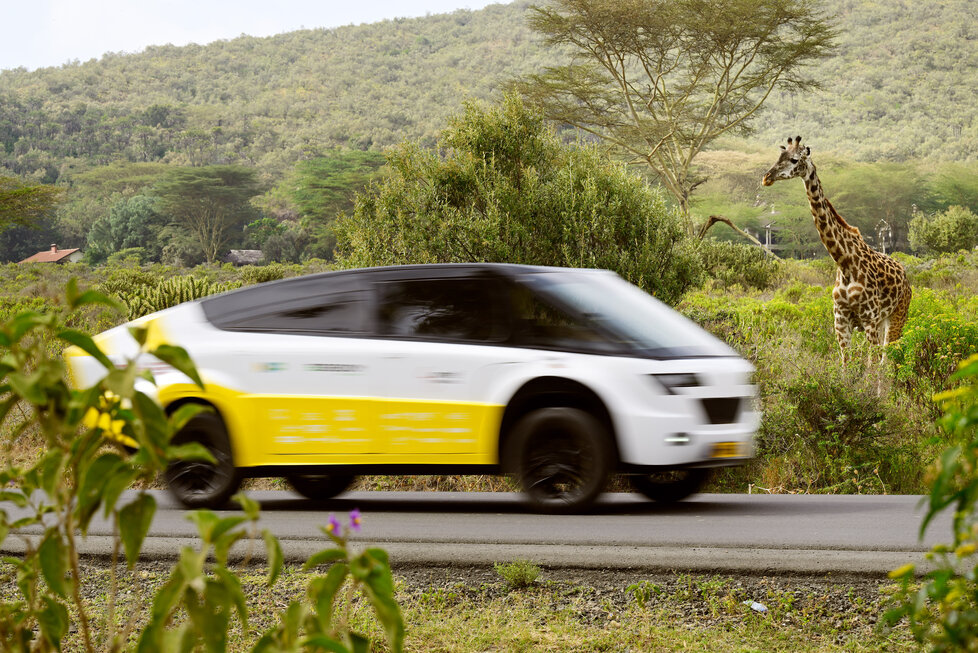
Researchers from the Netherlands have successfully completed real-world trials of what is being heralded as the world's first solar-powered ambulance, marking a major milestone for off-grid medical care according to Travel Tomorrow. Developed by a team of engineering students known as Solar Team Eindhoven from Eindhoven University of Technology, the vehicle — named Stella Juva — was put through rigorous testing across challenging terrain in Kenya during August 2026. Rather than operating as a traditional emergency transport vehicle designed to rush patients to city hospitals, the innovative prototype functions entirely as a mobile medical clinic. By bringing diagnostics and screening directly to isolated communities, the project aims to bridge the dangerous gap left by scarce fuel supplies, impassable roads, and unreliable electrical grids.
The vehicle's unique capabilities stem from meticulous design by 23 students who built the chassis, suspension, and electrical architecture completely from scratch as reported by Bgr. Weighing roughly 1,350 kilograms, Stella Juva utilizes lightweight carbon-fiber composite materials and an aerodynamic teardrop shape to maximize efficiency noted Fox News. Powering the system are advanced AIKO All Back Contact solar cells paired with a 50-kilowatt-hour battery pack, allowing the vehicle to achieve an estimated maximum driving range of up to 444 miles under favorable solar conditions according to Electrek. Safety measures include an epoxy coating provided by PPG to help mitigate thermal runaway risks in extreme heat.
Media additions
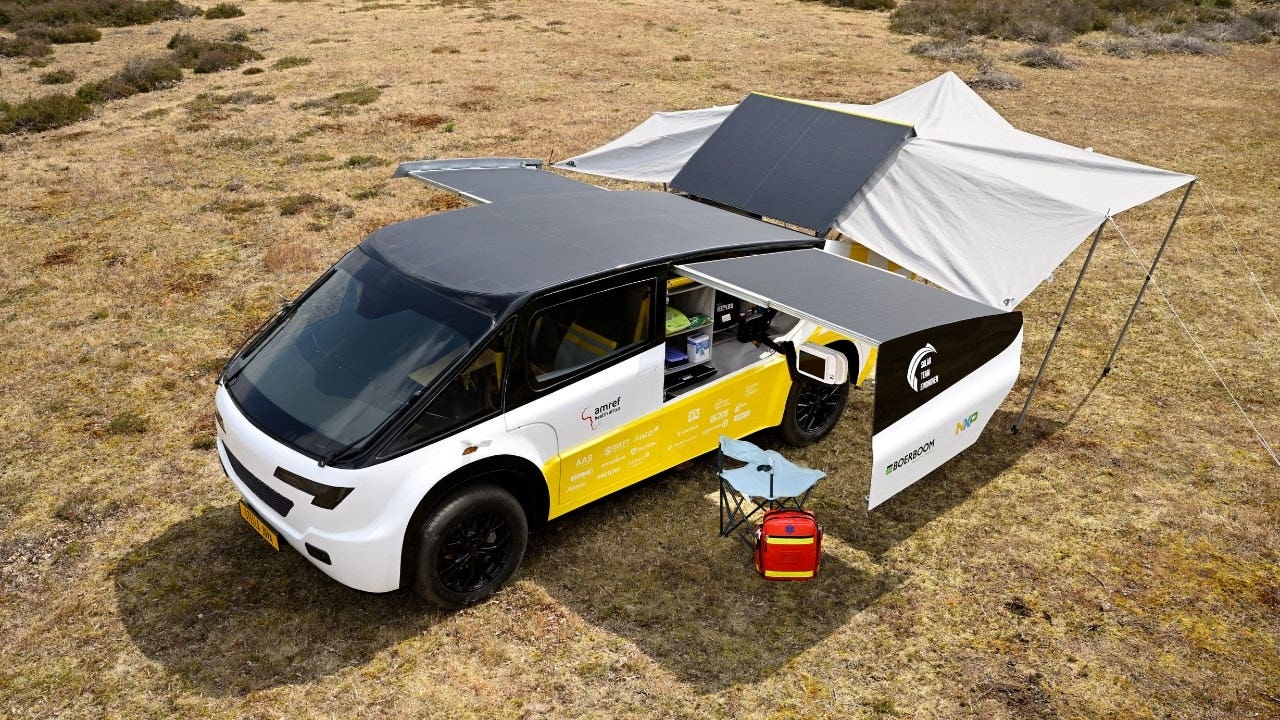
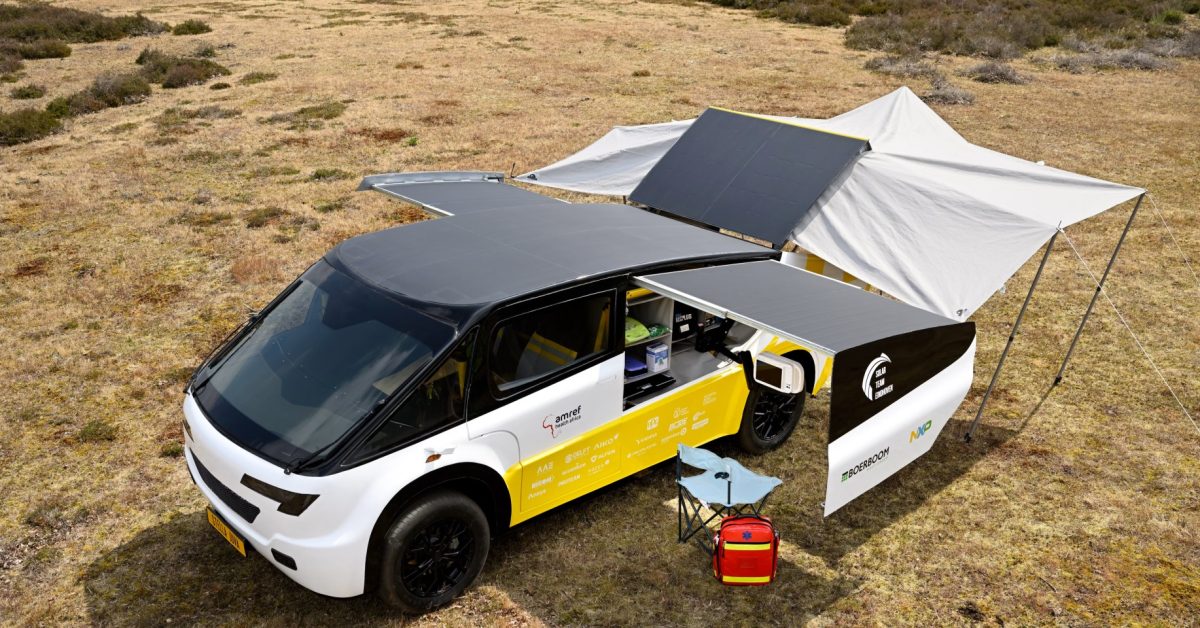
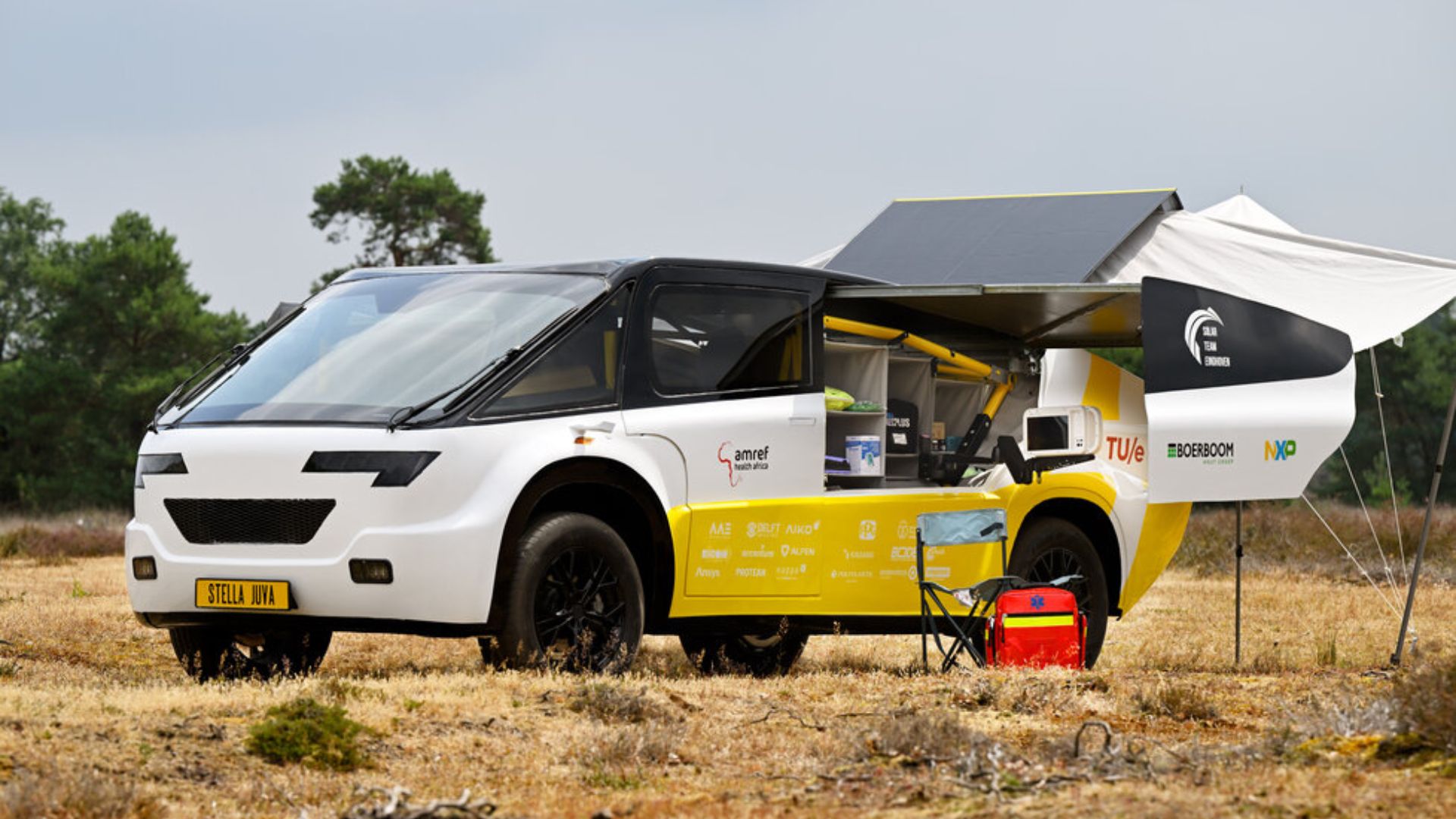
Logistical backing from international cargo operators enabled the transport of the vehicle to Nairobi, from where testing commenced highlighted Freightweek. During the deployment, the team collaborated closely with the humanitarian organization Amref Health Africa to evaluate the vehicle's performance on both paved and unpaved routes reported Travel Tomorrow.
| Metric | Specification | Notes |
|---|---|---|
| Total Test Distance | Over 800 km (approx. 500 miles) | Covered rough terrain around Narok and Mosiro |
| Battery Capacity | 50 kilowatt-hours | Powers drivetrain and medical cabin independently |
| Maximum Paved Range | 715 km (444 miles) | Achievable under favorable solar conditions |
| Vehicle Weight | 1,350 kg (approx. 3,000 lbs) | Constructed from carbon-fiber composites |
Once deployed at remote field stations like Mosiro, Stella Juva demonstrated an unexpected operational advantage noted Travel Tomorrow. While stationary and running its onboard medical suite, which includes a portable X-ray machine, an ultrasound scanner, an automated external defibrillator, tuberculosis screening kits, malaria testing, and vaccine refrigeration detailed Travel Tomorrow, the vehicle produced more solar energy than it consumed according to team statements. This self-sustaining energy loop ensures that sensitive equipment remains operational even after dark or during cloudy intervals, vastly minimizing reliance on traditional fossil fuels or external grid infrastructure.
Local health coordinators emphasized the immense human impact of deploying such diagnostic tools directly to underserved populations. With roughly one-third of Kenyan counties facing severe healthcare access hurdles reported Travel Tomorrow, project leads like Geoffrey Sadera of Amref Health Africa pointed out that early intervention capabilities could drastically reduce maternal and child mortality rates explained Sadera via Travel Tomorrow. Despite the overwhelming success of the August trials, which suffered only a minor mechanical setback involving a broken steering rod that was replaced within half an hour noted Travel Tomorrow, project organizers acknowledge that significant hurdles remain reported Bgr.
Because Stella Juva remains a university research prototype rather than a commercially manufactured emergency vehicle reported Fox News, no official timeline for mass production has been announced. Instead, the student inventors hope their open-approach engineering will inspire larger automotive manufacturers and healthcare organizations to adopt sustainable technologies for real-world applications suggested Fox News. As engineering developments continue noted Bgr, observers in the technology sector will be watching to see how academic innovations transition into scalable public health infrastructure.