McLaren set to hit major $1 billion F1 financial landmark
McLaren Racing is poised to become the first Formula 1 constructor to register an annual revenue of $1 billion following a remarkable financial rise.
McLaren Racing is on the brink of reshaping the economic history of motorsport. The current Formula 1 constructors’ champion is poised to become the very first team in the sport to register an annual revenue of $1 billion, marking an extraordinary turnaround for a Woking-based outfit that spent years struggling at the rear of the grid. This meteoric financial rise arrives alongside broader economic shifts across the sport, though other high-profile racing spectacles face starkly different fiscal realities as glittering venues absorb heavy early hits.
According to reporting detailing a Sky News broadcast, McLaren Racing Ltd’s accounts will show revenues of £588m ($779.6m) covering the calendar year for 2025. Furthermore, team boss Zak Brown was paid $100m last year, an eye-watering payout triggered by a buyout of the outfit’s minority owners. Brown took over the running of the team in 2017 as the organization navigated a bleak period following a switch to Honda engines in 2015 that saw them lose consistent race-winning form and commercial partners. This fiscal muscle has now been bolstered by an influx of major commercial partners, including Mastercard, Google DP World, and Allwyn, alongside locking down reigning champion Lando Norris to a long-term driver deal. Norris fended off Max Verstappen by two points to win the drivers' world title last year, marking the team's first drivers' crown since 2008, following their first constructors' championship since the 1990s in 2024.
Beyond Formula 1, McLaren’s operations include an IndyCar programme, which accounts for around 10% of the revenue the team generates. The outfit previously operated a Formula E squad before abandoning it to focus on a return to the FIA World Endurance Championship and the 24 Hours of Le Mans' top flight.
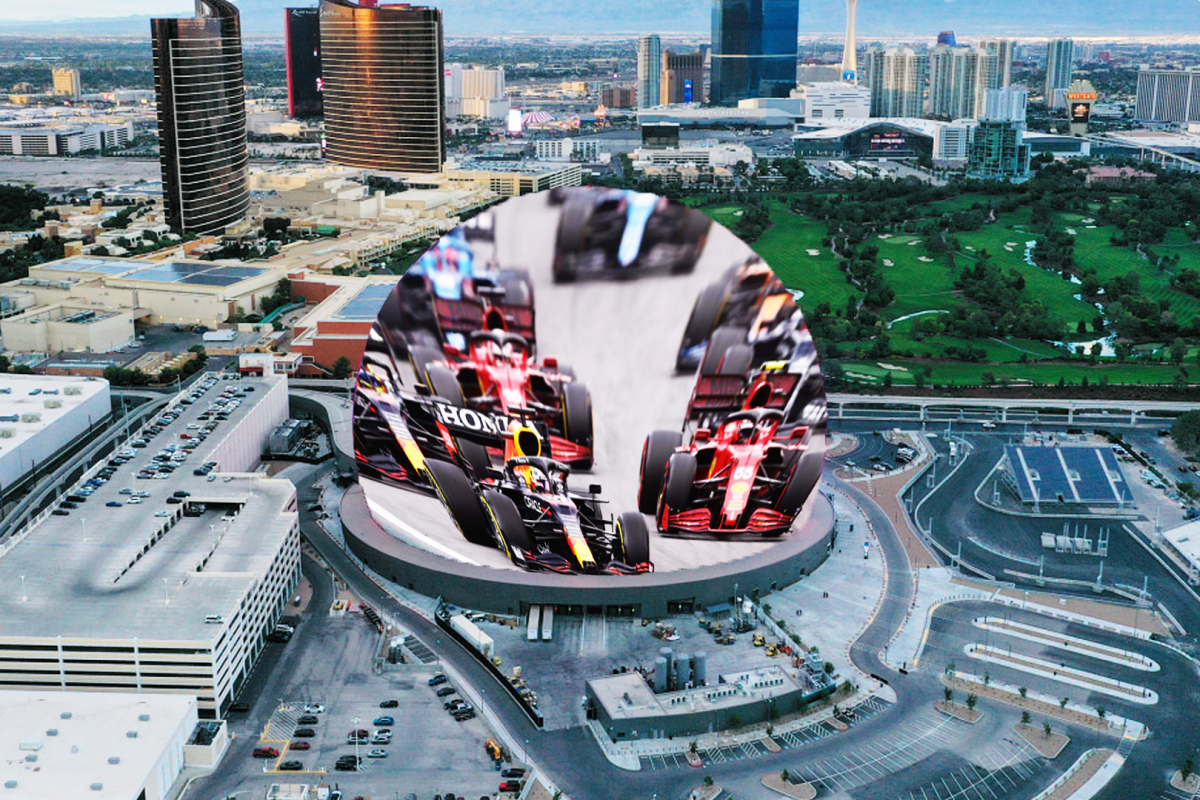
While McLaren celebrates unprecedented financial health, other corners of the global racing ecosystem navigate turbulent financial waters. Ahead of a high-profile motorsport debut, the newly constructed Sphere landmark in Las Vegas reported staggering losses of nearly $100 million on an earnings call shortly after opening. According to reporting citing the Las Vegas Sun, the company shared a financial hit totaling $98.4 million (£80m) on a Wednesday morning.
| Entity | Financial Event / Figure | Context / Attribution |
|---|---|---|
| Zak Brown | $100m payout | Triggered by a buyout of minority owners |
| Las Vegas Sphere | $98.4 million (£80m) loss reported | Announced on an earnings call ahead of F1 debut, via Las Vegas Sun |
The turbulence surrounding the iconic Las Vegas venue extended deep into its corporate ranks. After just 11 months on the job, the company’s chief financial officer, Gautam Ranji, allegedly quit following a bout of screaming from CEO James Dolan, as reported by the New York Post. Senior Vice President Greg Brunner stepped in to fill the position on an interim basis. Despite the steep financial hit and executive shakeup, Dolan remains publicly bullish, stating on the earnings call that the company is building positive momentum and remains confident in driving long-term value for shareholders.
Formula 1’s multi-day takeover of the Sphere district promises spectacular viewing for fans in person and on television, though exactly what will be displayed on the massive, ball-shaped TV screen during the race remains to be seen. Brands are widely expected to clamor for visibility on one of the most eye-catching architectural displays in Nevada. As motorsport continues to expand its commercial footprint globally, the stark contrast between McLaren’s billion-dollar revenue surge and the heavy early losses absorbed by major event infrastructure highlights the high-stakes, volatile nature of modern racing economics.