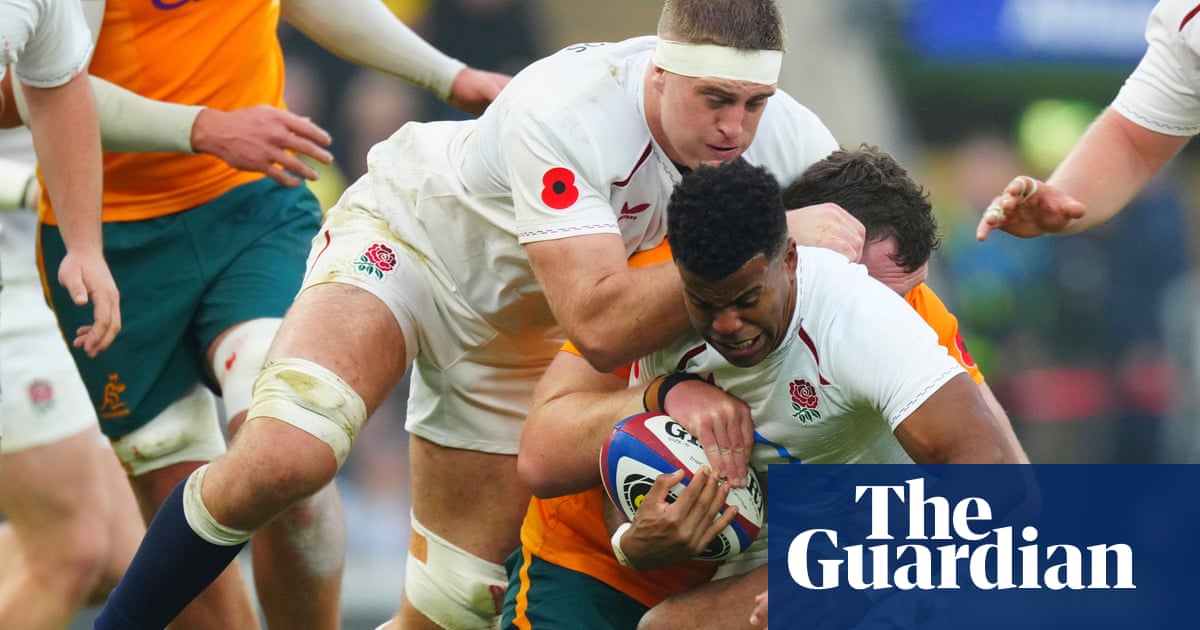
Six Nations and Sanzaar face battle with World Rugby over relegation
Ten leading rugby unions have established a new commercial entity that threatens to derail promotion and relegation plans for the Nations Championship.
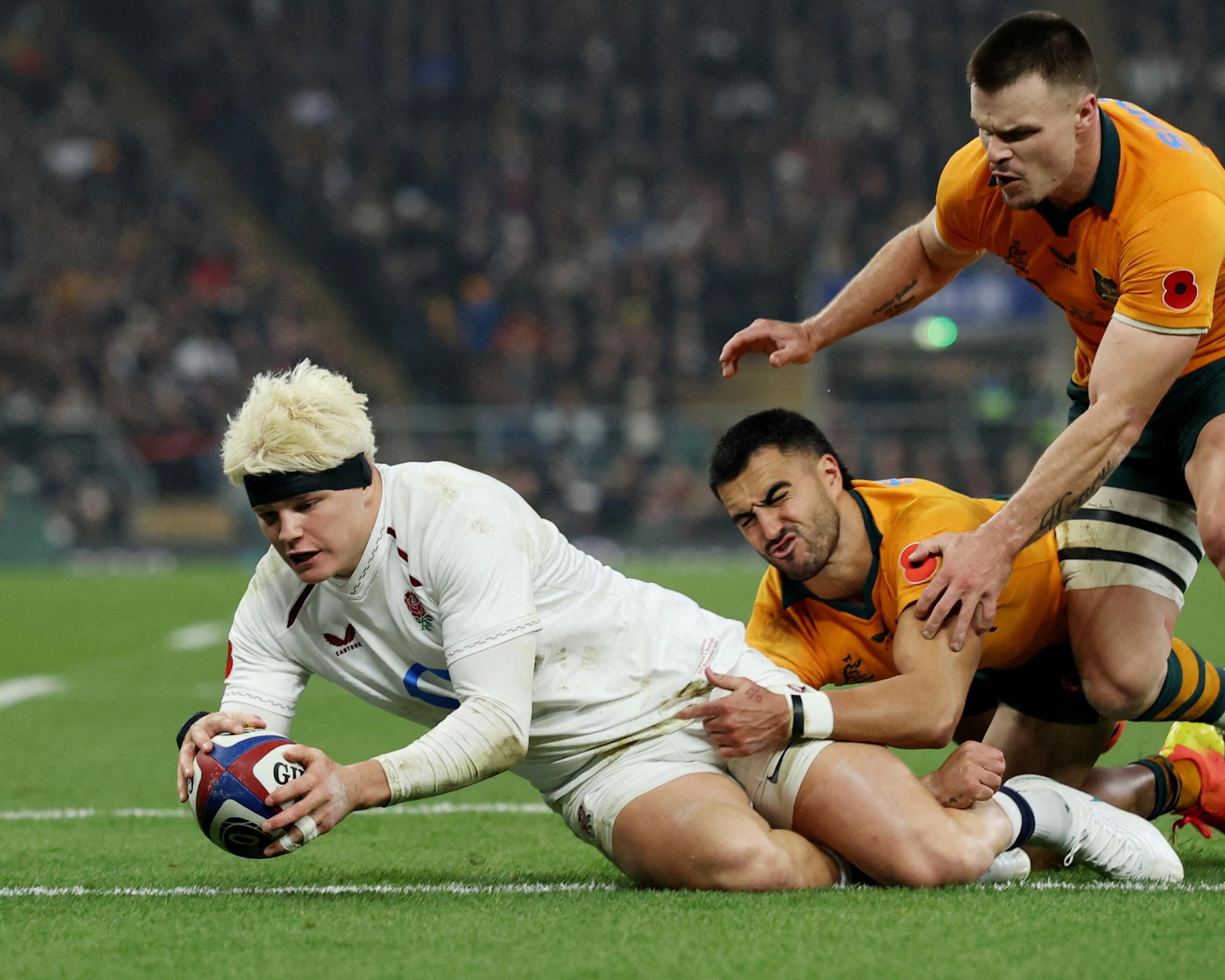
The ten leading rugby unions have established a new commercial entity that threatens to derail promotion and relegation plans for the Nations Championship, setting the stage for a major governance battle with World Rugby as detailed by Aol.
The collective grouping, provisionally named F10, brings together the six unions of the Six Nations alongside the four SANZAAR nations of South Africa, New Zealand, Australia, and Argentina. According to reporting highlighted by Walesonline, the arrangement was agreed following a meeting in Sydney, where officials resolved to pool broadcasting and commercial rights across multiple major tournaments. This commercial alignment will encompass the Six Nations, the Rugby Championship, British & Irish Lions tours, the Nations Championship, and the series between New Zealand and South Africa, as noted by Ua.news.
Media additions



However, the formation of F10 has triggered immediate anxiety across the wider sport regarding the future of promotion and relegation. When the World Rugby Council approved the creation of the Nations Championship prior to the 2023 World Cup final, the vote passed by an 80% majority—surpassing the required 75% threshold with 41 votes in favour and 10 opposed—under the strict proviso that the league would operate as an open competition from 2030 onward. Under that original mandate, the lowest-ranked team from the top tier would drop down, making way for winners from the second-tier Nations Cup.
Individual unions have begun lobbying for exemptions to protect their status. Welsh Rugby Union chief executive Abi Tierney described potential demotion as cataclysmic
for her country, while teams such as Italy and Wales currently find themselves positioned near the foot of the standings. Sources cited by Aol indicate that any attempt by the founding members to insulate themselves from the drop would require formal approval from the World Rugby Council, as it fundamentally alters the conditions established three years ago.
The commercial pooling arrangement itself is a notable shift in how international rugby is monetised. As Sarugbymag points out, the ten unions intend to market their properties collectively rather than individually to maximise broadcasting valuations. Rugby Football Union chief executive Bill Sweeney explained to journalists that the new rights-management agency will sit underneath the ten founding unions to streamline the marketplace. While larger markets such as England and France are expected to claim a greater share of the pooled revenue, guest participants like Japan and Fiji receive only set participation fees rather than a slice of central commercial income.
Key Competition Details and Structures
| Tournament Tier | Governing Body / Management | Broadcast Deal Count | Promotion / Relegation Status |
|---|---|---|---|
| Nations Championship (Top Tier) | F10 Founding Unions | More than 80 deals | Open status mandated from 2030 by World Rugby council vote, currently contested by unions |
| Nations Cup (Second Tier) | World Rugby | 13 deals (heavy reliance on RugbyPass TV) | Feeds potential promotion candidates into the pyramid |
The divergence in broadcast penetration between the two tiers highlights the widening gulf in the sport. While the top-tier competition secured upwards of 80 broadcasting agreements prior to the establishment of F10, the secondary Nations Cup has managed only 13 deals, forcing matches to be streamed on the World Rugby-owned platform RugbyPass TV across numerous territories, including the UK.
Meanwhile, logistical adjustments are already underway for tournament showcases. Sweeney confirmed that Qatar will no longer host the finals of the 2028 Nations Championship due to unrest in the Middle East, with France, Spain, and London emerging as alternative prospective hosts.
World Rugby has established a dedicated review group chaired by Brett Robinson to examine how promotion and relegation can be implemented practically. Sweeney noted regarding the review group's mandate: The basic premise is still the same, how that comes into effect needs to be sorted out.
The current broadcasting agreements for the Six Nations remain secure through 2029, meaning the newly pooled commercial rights and integrated television packages will take full effect beginning in 2030, leaving officials a narrow window to resolve the stand-off over ring-fencing before promotion and relegation rules are formally triggered.