Algeria receives first Russian Su-34M fighter jets amid regional arms race
Algeria has received its first batch of Russian-built Su-34M strike fighter jets, marking a significant milestone in North Africa's accelerating arms race.
- Core Development: Algeria has received its first batch of Russian-built Su-34M strike fighter jets, marking a significant milestone in North Africa's accelerating arms race.
- Beat Context: Categorized under Transport with independent corroboration.
- Reporting Depth: 3 minute analytical read synthesized from verified newsroom sources.
Algeria has received its first batch of Russian-built Su-34M strike fighter jets, marking a significant milestone in North Africa's accelerating arms race and confirming years of speculation surrounding major military procurement programmes, according to recent defence reporting. The arrival of the advanced aircraft places Business Insider Africa's reporting in sharp focus, highlighting how the North African nation continues to modernise its armed forces amid ongoing regional rivalries and security pressures across the Sahel and Western Sahara.
The newly delivered strike fighters feature distinctive desert brown-and-yellow camouflage matching Algeria's operational environment, according to Business Insider Africa. The aircraft originate from a multi-billion-dollar defence agreement reportedly struck between Algiers and Moscow years ago. Initial reports from regional defence publications indicated that the overarching pact involved dozens of Russian combat aircraft, including additional variants designed to bolster the North African military's aerial capabilities.
Media additions
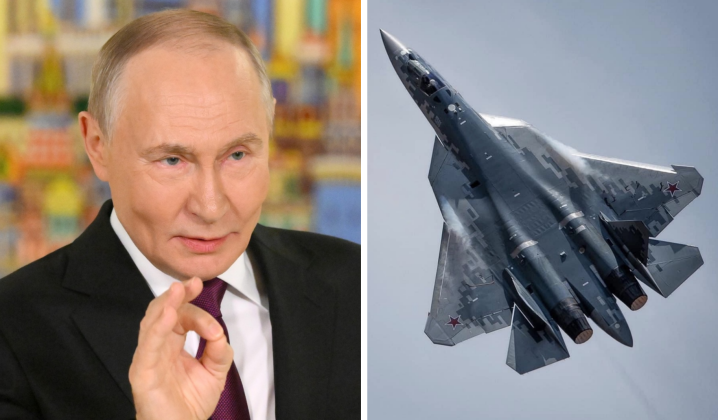
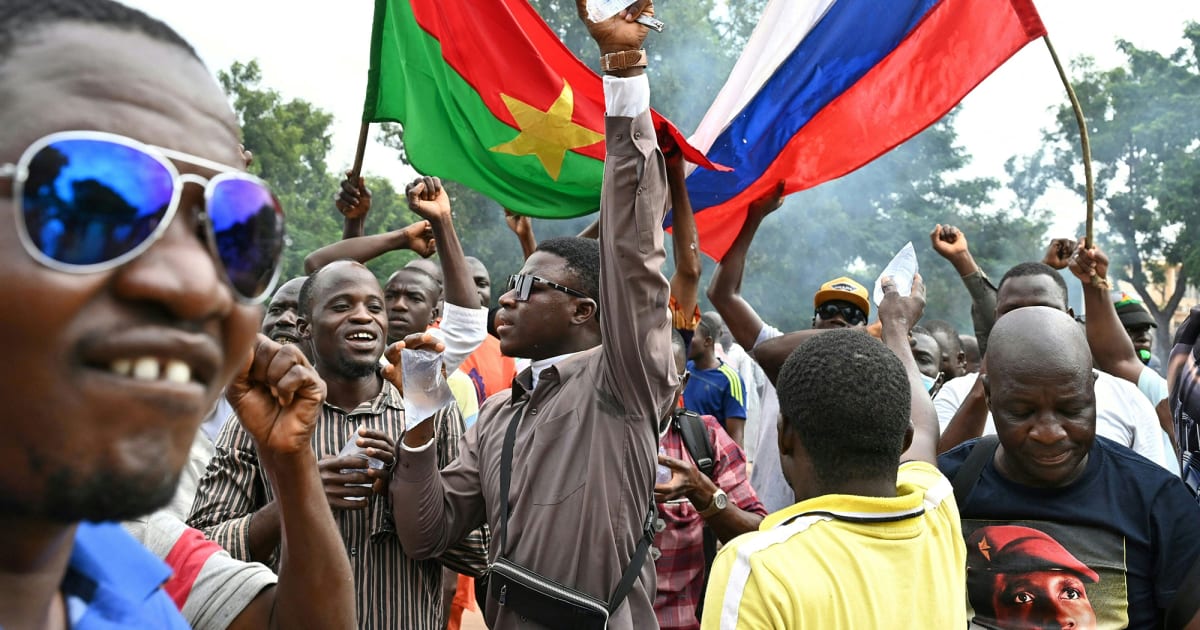

This delivery unfolds against a backdrop of broader geopolitical shifts. According to DW.com, Russia has cemented its position as a dominant arms exporter to the African continent, leveraging historical Soviet-era ties, debt forgiveness programmes, and swift delivery timelines unencumbered by stringent human rights conditions. Senior researchers note that Moscow's willingness to maintain stable supply lines without demanding political concessions makes its hardware particularly attractive to governments seeking to avoid Western diplomatic pressure.
Data compiled across multiple international defence institutes illustrates the historical volume and market distribution of these military transfers across the continent:
| Country / Region | Primary Russian Arms Supplier Role | Key Defence Equipment Acquired |
|---|---|---|
| Algeria | Largest recipient of Russian arms in Africa | Su-34M strike fighters, tanks, air defence systems |
| Angola | Third-biggest African client for Russian arms | Combat aircraft, helicopters, historical debt relief |
| Egypt | Major North African military importer | Fighter aircraft, surface-to-air missile systems |
While the Su-34M represents a formidable addition to Algeria's fourth-generation fleet, military analysts point to an evolving technological horizon. According to Business Insider Africa, Algiers is also pivoting towards fifth-generation air superiority platforms. Leaked documentation from Russian state conglomerates and statements from state media previously pointed to scheduled arrivals of advanced fifth-generation stealth fighters, alongside potential evaluations of competing export models from other global suppliers such as China.
The regional ramifications are immediate. Neighbouring states are similarly expanding their defensive and offensive capabilities. Morocco has deepened security partnerships with Western and allied nations to acquire advanced missiles, drones, and helicopter gunships, while Egypt diversifies its procurement channels across multiple European and international manufacturers, as reported by Business Insider Africa. These parallel buildups amplify friction across North Africa, turning regional skies into a competitive arena for major defence exporters.
Meanwhile, the wider market for Russian military hardware remains robust. Rosoboronexport CEO Alexander Mikheyev stated ahead of upcoming aerospace exhibitions that demand across the African continent is expanding year-on-year, as detailed by Tass. President Vladimir Putin also highlighted that Russian defence exports generated substantial foreign exchange revenue, with African acquisitions acting as a primary driver for the sector's resilience under international sanctions, according to Military Watch Magazine.
Observers will be watching closely to see how regional competitors respond to Algeria's enhanced strike capabilities and whether further fifth-generation deliveries materialise on schedule.
How significant is this development?
Contribute your assessment to the aggregated reader sentiment ledger.
Frequently Asked Questions
Key questions answered in this reportWhat is the key development in: Algeria receives first Russian Su-34M fighter jets amid regional arms race?
Algeria has received its first batch of Russian-built Su-34M strike fighter jets, marking a significant milestone in North Africa's accelerating arms race.
Why is this Transport development significant for the UK?
This report covers critical events in our Transport beat. Independent reporting monitors related UK statements, regulatory shifts, and public responses as further verified details emerge.
How was this reporting corroborated and verified?
Newsarchy UK compiles and cross-references reporting from primary reporting from Modern Diplomacy and cross-checked wire reports. All coverage adheres to published editorial standards.
When was this report published?
This briefing was published on September 7, 2026 and is permanently cataloged in the Newsarchy UK Transport archives.