China connects first 100-MW compressed carbon dioxide energy storage project to grid
China has successfully integrated its inaugural 100-megawatt compressed carbon dioxide energy storage facility into the electrical grid. The zero-carbon project operates without geographic constraints like underground caverns.

- Core Development: China has successfully integrated its inaugural 100-megawatt compressed carbon dioxide energy storage facility into the electrical grid. The zero-carbon project operates without geographic constraints like underground caverns.
- Beat Context: Categorized under Transport with independent corroboration.
- Reporting Depth: 3 minute analytical read synthesized from verified newsroom sources.
China has successfully linked its inaugural 100-megawatt-class compressed carbon dioxide energy storage facility to the electrical grid, marking a significant milestone for large-capacity, zero-carbon grid infrastructure according to reports from Jen and Qazinform.
Developed as the China Huadian Xinjiang Mulei compressed CO₂ energy storage project, the massive installation covers an area exceeding 840 mu, roughly 138 acres, as detailed by Finance. The system operates on a closed-loop framework utilizing carbon dioxide as the working medium. During periods of low electricity demand, surplus power drives electric motors that compress carbon dioxide gas into a liquid state. When demand spikes, the liquid carbon dioxide is vaporized and expanded to drive power turbines, completing a full cycle of compression, liquefaction, storage, vaporization, and expansion.
Media additions
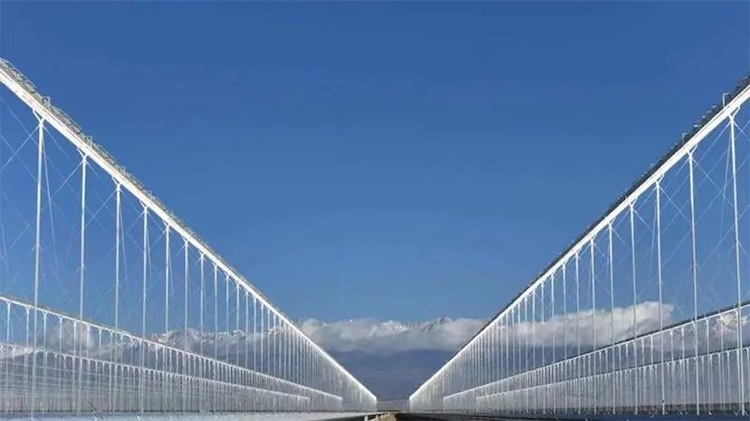
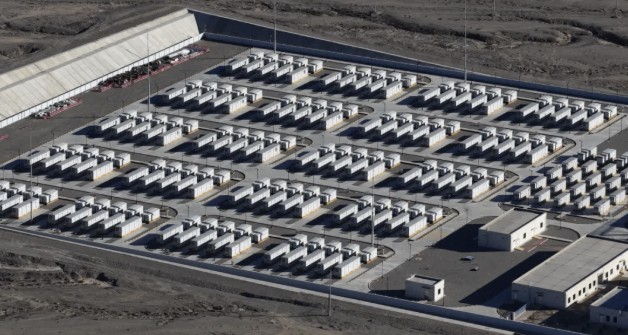
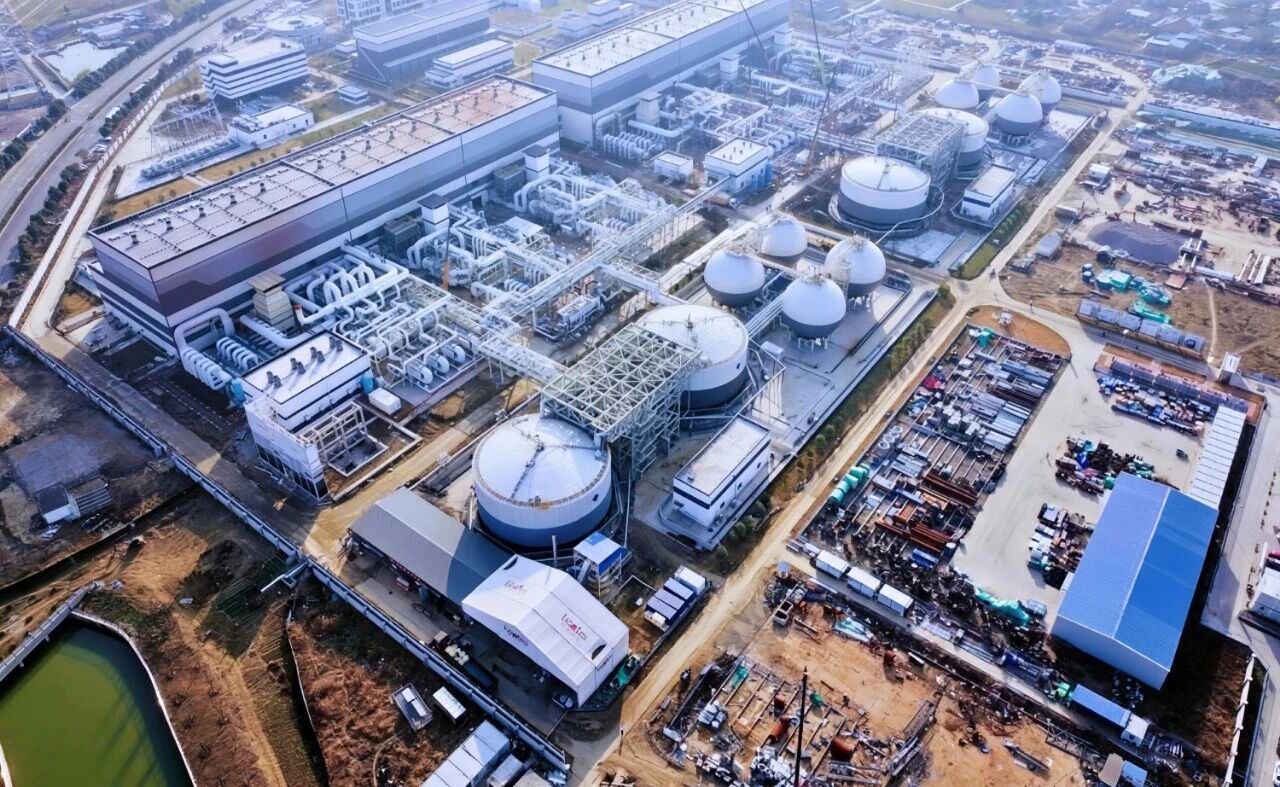
The technical architecture relies heavily on specific hardware components distributed across the Gobi Desert site. According to primary reports, the installation houses five gas holders, 141 liquid storage units, and 97 thermal storage units. Project leader Ma Guojiang highlighted that compressed carbon dioxide offers superior energy density alongside high efficiency, low cost, robust safety, and zero pollution. Ma noted that the facility's designed efficiency places it at the forefront of carbon dioxide power generation units nationwide.
The facility is engineered to absorb 290 million kilowatt-hours of electricity during off-peak hours annually while discharging 180 million kilowatt-hours of green power during peak demand periods. Once fully operational, the project is projected to generate roughly 200 million kilowatt-hours of electricity each year, saving 50,000 tons of standard coal and cutting carbon dioxide emissions by approximately 170,000 tons annually. Furthermore, the installation was selected for the fourth batch of the National Energy Administration's first-of-its-kind major technical equipment list in the energy sector.
Broader developments in long-duration energy storage across China demonstrate a diversified national strategy to integrate renewables into the power network. In Jiangsu province, the Guoxin Suyan Huai’an Salt Cavern Compressed Air Energy Storage Power Generation Project reached full operation with an installed power output of 600 megawatts and a storage capacity of 2.4 gigawatt-hours inside underground salt caverns (Renew Economy). Meanwhile, the Chinese Academy of Sciences brought an advanced 100-MW compressed air energy storage plant online in Zhangjiakou, operating at a system design efficiency exceeding 70 percent without burning fossil fuels (New Atlas). Additional projects, such as the Jiayuguan NingSheng hybrid installation in Gansu province, combine lithium iron phosphate batteries with supercapacitors to manage both long-duration energy shifting and millisecond-level frequency regulation (ESS News).
| Project Name | Location | Technology Type | Power / Capacity |
|---|---|---|---|
| China Huadian Xinjiang Mulei Project | Xinjiang | Compressed Carbon Dioxide Storage | 100 MW / 1,000 MWh |
| Guoxin Suyan Huai’an Project | Jiangsu | Compressed Air (Salt Cavern) | 600 MW / 2.4 GWh |
| Zhangjiakou Plant | Hebei | Advanced Compressed Air (CAES) | 100 MW / 400 MWh |
| Jiayuguan NingSheng Project | Gansu | LFP Battery & Supercapacitor Hybrid | 500 MW / 1,000 MWh |
Unlike conventional pumped-hydro or compressed-air energy storage facilities that rely heavily on specific geological formations such as underground salt caverns or mountainous terrain, the Mori Kazakh Autonomous County carbon dioxide facility operates independently of such geographic constraints. This flexibility allows for broader siting options across flat terrain like the Gobi Desert. Additional innovations in the region's clean energy sector include solar thermal milestones, such as the 100MW linear Fresnel solar thermal project in Xinjiang, which completed its 14-day trial operation after being integrated by China Three Gorges Renewables (SolarPACES).
Observers note that engineering validations of compressed carbon dioxide technology provide a replicable framework for long-duration energy storage. As China pursues its carbon peaking and neutrality objectives, engineers and policymakers will monitor the facility's performance metrics through the remainder of the 15th Five-Year Plan period (2026–2030) to determine commercial scalability for future deployments.
How significant is this development?
Contribute your assessment to the aggregated reader sentiment ledger.
Frequently Asked Questions
Key questions answered in this reportWhat is the key development in: China connects first 100-MW compressed carbon dioxide energy storage project to grid?
China has successfully integrated its inaugural 100-megawatt compressed carbon dioxide energy storage facility into the electrical grid. The zero-carbon project operates without geographic constraints like underground caverns.
Why is this Transport development significant for the UK?
This report covers critical events in our Transport beat. Independent reporting monitors related UK statements, regulatory shifts, and public responses as further verified details emerge.
How was this reporting corroborated and verified?
Newsarchy UK compiles and cross-references reporting from primary reporting from jen.jiji.com and cross-checked wire reports. All coverage adheres to published editorial standards.
When was this report published?
This briefing was published on October 4, 2026 and is permanently cataloged in the Newsarchy UK Transport archives.