US, China, and India lead WTTC global tourism power index rankings
The World Travel & Tourism Council has launched a multidimensional Tourism Power Index across 184 economies, ranking the United States, China, and India as the world's top three tourism superpowers.

Global travel and tourism governance has reached a critical juncture with the official launch of multidimensional national rankings across 184 economies, even as intersecting security threats, industrial strikes, and economic disruptions roil transport networks worldwide.
The World Travel & Tourism Council (WTTC), working alongside Oxford Economics, has unveiled its inaugural benchmarking architecture that moves decisively beyond historical reliance on raw international tourist arrivals. According to the research council, the travel and tourism sector generated massive global output, supporting hundreds of millions of jobs and serving as an irreplaceable livelihood mechanism. Domestic visitor spending vastly dwarfed international visitor spending, underpinning global tourism resilience.
Media additions
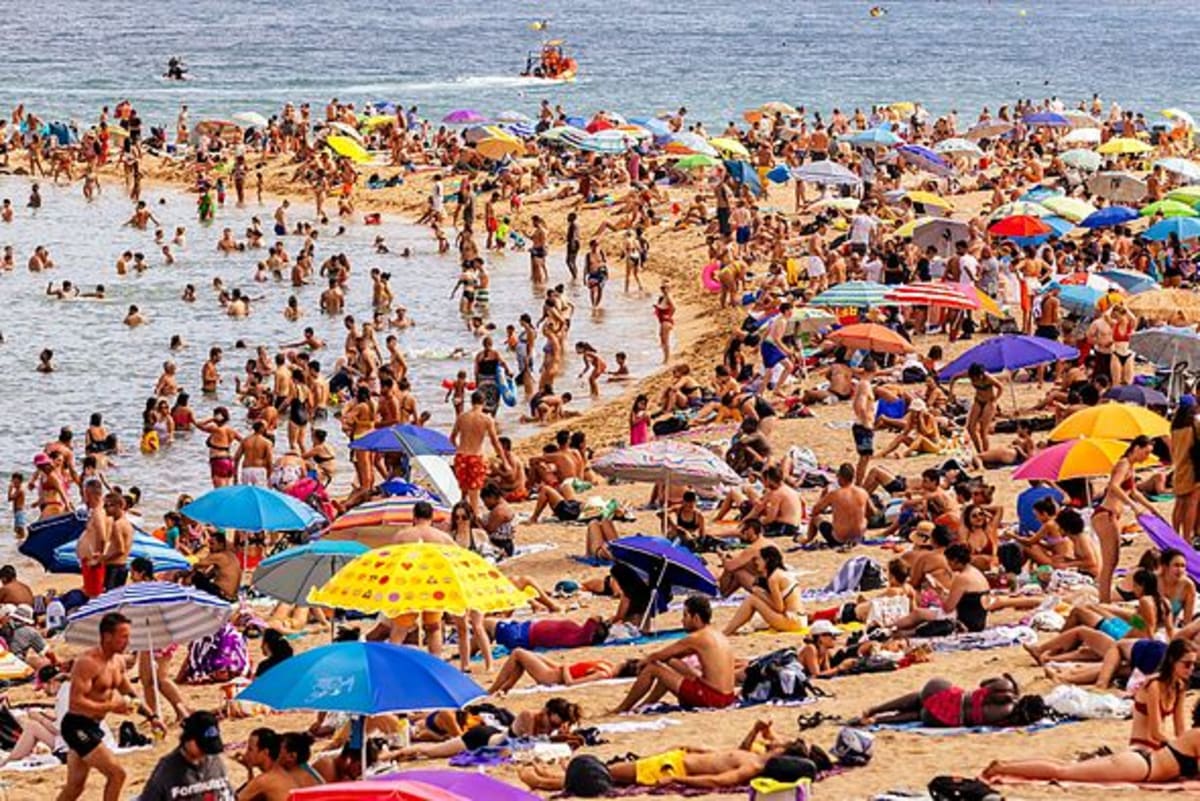


The newly established Tourism Power Index synthesizes absolute tourism GDP contribution, total domestic and foreign capital investment in travel infrastructure, direct and indirect employment generation, and domestic visitor expenditure depth. The United States retained its position as the world's preeminent travel and tourism superpower, operating at an unmatched financial scale underpinned by domestic consumer markets and major international aviation gateways. China claimed second place, driven by post-pandemic travel normalization, unilateral visa-free travel policies, and extensive domestic high-speed railways. India secured third place, propelled entirely by the unprecedented expansion of its domestic tourism ecosystem and regional connectivity schemes.
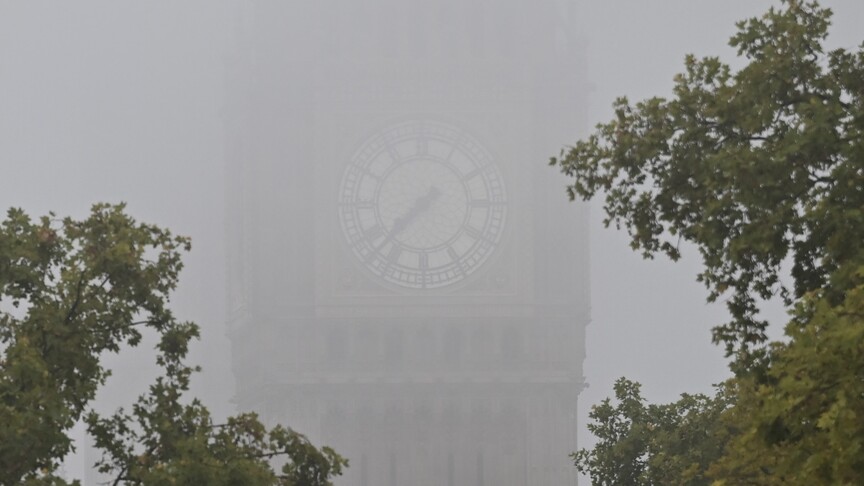
Germany secured fourth place, demonstrating that tourism power extends far beyond sun-and-sea holiday destinations. France maintained a fifth-place ranking by combining high-yield urban cultural tourism with world-leading ski infrastructure and Mediterranean coastal resorts. The United Kingdom ranked sixth globally, supported by London's status as a connected international aviation crossroads. Japan exemplified the integration of modern transit infrastructure with sophisticated cultural tourism asset management in seventh place. Mexico served as the primary leisure engine of the Western Hemisphere in eighth position. Spain ranked ninth despite recording tens of millions of international tourist arrivals, illustrating that visitor arrival volume does not equal absolute economic power. Saudi Arabia rounded out the top ten, reflecting capital investment under its economic diversification blueprint.
Beyond raw economic power, the multidimensional indexing architecture evaluates nations across two additional pillars: environmental efficiency and employment opportunity. Sweden and Costa Rica claimed top honors in environmental efficiency across their respective income brackets, while Croatia, the Maldives, El Salvador, and The Gambia emerged as global benchmarks for expanding female and youth participation in the hospitality workforce.
| Nation | Rank | Key Driver / Context |
|---|---|---|
| United States | 1st (Power) | Massive domestic consumer market and vast aviation grid. |
| China | 2nd (Power) | Extensive high-speed railways and rapid international return. |
| India | 3rd (Power) | Explosive domestic tourist visits and regional air connectivity. |
| Germany | 4th (Power) | High corporate MICE revenue and decentralized economic geography. |
| France | 5th (Power) | Balanced urban cultural tourism and high capital reinvestment. |
| United Kingdom | 6th (Power) | London's aviation crossroads and resilient domestic holiday spending. |
| Japan | 7th (Power) | Shinkansen network integration and high-spending regional tourism. |
| Mexico | 8th (Power) | Commercial integration with North American travel markets. |
| Spain | 9th (Power) | High visitor arrival volume balanced by domestic economic scale. |
| Saudi Arabia | 10th (Power) | Massive sovereign wealth deployment and giga-project investments. |
While the index charts long-term structural power, immediate operational disruptions are impacting travelers across key international corridors. According to Aol and TTG Media, the Foreign, Commonwealth & Development Office (FCDO) has issued urgent travel warnings regarding a nationwide general strike in Spain. Staged by CCOO and UGT unions, the 24-hour walkout is expected to cause significant travel disruption across flights and rail services, with public transport operators required to run only minimum service levels in protest over pay, working conditions, and housing concerns ahead of the general election. Spanish authorities established minimum service requirements, such as at Barcelona’s El Prat Airport where a percentage of international, domestic, and island services will operate.
Concurrently, severe geopolitical conflict continues to paralyze aviation in the Middle East. As reported by Condé Nast Traveller Middle East, travelers planning trips to Saudi Arabia face widespread flight cancellations and heightened security warnings following Houthi missile and drone attacks targeting Riyadh, including strikes impacting King Khalid International Airport and an Aramco office building. International airlines have extended flight suspensions well into future months, and multiple governments advise against visiting the kingdom. Aviation analytics company Cirium recorded thousands of cancelled departures during peak escalation periods.
Additional operational complexities face travelers heading to the Caribbean and Europe. Cuba is experiencing a worsening economic situation characterized by severe shortages of fuel, electricity, water, and basic necessities. According to government travel advice, the Cuban national electric grid has collapsed multiple times, international airports are reporting severely limited aviation fuel, and international cards such as Visa and Mastercard are no longer accepted.
- Monitor airline and rail operator advisories closely before commencing journeys through Spain during union walkouts.
- Ensure sufficient cash reserves in widely accepted foreign currencies when visiting destinations experiencing severe financial and energy infrastructure crises.
- Review comprehensive government travel advisories and border entry requirements, including biometric registration protocols across European destinations.
What happens next depends heavily on pending political and operational developments. Spain's general election is scheduled for late November 2026, which may influence ongoing labor negotiations. Meanwhile, international carriers and aviation authorities will continue reviewing security clearances and regional airspace restrictions across the Middle East as global tourism governance grapples with balancing economic power against operational volatility.