Intercity rail passengers face summer disruption from cancellations and strikes
East Midlands Railway is withdrawing about 20 fast trains daily due to fleet reliability issues. Meanwhile, other operators are reporting service disruptions.
Intercity rail passengers face summer disruption from cancellations and strikes
EXECUTIVE BRIEFKey Takeaways & Signal
Core Development: East Midlands Railway is withdrawing about 20 fast trains daily due to fleet reliability issues. Meanwhile, other operators are reporting service disruptions.
Beat Context: Categorized under Transport with independent corroboration.
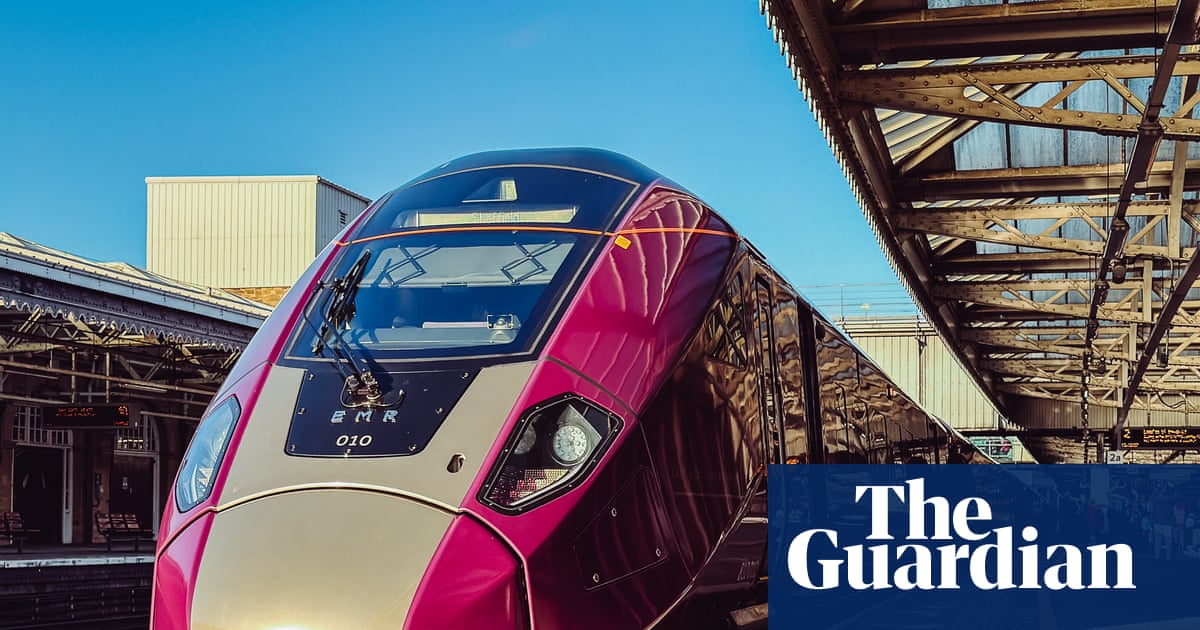
East Midlands Railway (EMR) is currently cancelling hundreds of services on the Midland mainline in the coming weeks. The operator is withdrawing approximately 20 fast trains daily on the route connecting London, Sheffield, and Nottingham. These cancellations are accompanied by instances of short-formed trains, which the operator anticipates will lead to overcrowding for remaining passengers. EMR has attributed these operational difficulties to ongoing challenges with its fleet of Hitachi trains, specifically the class 810 units, which were previously referred to as Auroras.
"The performance of the class 810 fleet has fallen below the levels we and our customers expect, and it is necessary to introduce a temporary reduced timetable while we work with the manufacturer, Hitachi Rail, to improve consistency in service."
Media additions
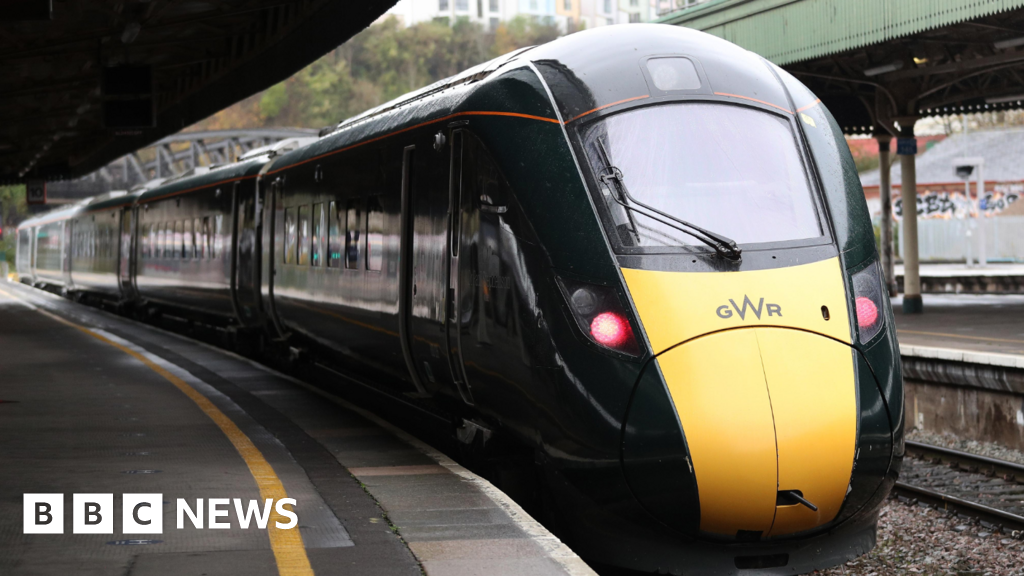
Image via uk.news.yahoo.comImage via bbc.com
Will Rogers, Managing Director of EMR, via The Guardian
The class 810 bi-mode trains, capable of operating on both electricity and diesel power, entered service earlier this year following a three-year delay. Beyond the class 810 units, EMR has criticized the maintenance of the class 222 trains, which the newer fleet was intended to replace, stating that maintenance issues with the older units have significantly hindered the ability to run a consistent intercity service. A spokesperson for Hitachi Rail stated the company is working closely with industry partners to implement improvements and support the transition.
Operational concerns for EMR also follow investigations into a fatal rail crash near Bedford that occurred last month. That incident involved an EMR Aurora train that stopped on the mainline, reportedly due to a fault with the automatic warning system, before being struck by another EMR train that had passed a red signal.
Simultaneously, strike ballots are threatening to impact the two other intercity mainlines running north from London. Aslef, the train drivers’ union, has called a strike ballot on LNER, citing an unaccepted pay offer. The union stated the Department for Transport had declined to authorise a pay deal previously reached with the state-owned operator. A DfT spokesperson disputed this account, stating: We have given LNER approval for a fair and affordable deal. We know how frustrating disruption can be for passengers and strongly encourage the union to continue engaging constructively with LNER to reach a solution.
Drivers at Avanti West Coast are also voting on pay-related strike action, a process announced two weeks ago. At that operator, the union has declined to renew a rest-day working agreement, a development that has already caused some service cancellations.
In addition to these mainline issues, other operators are reporting significant service restrictions. CrossCountry recently experienced a period of limited operations following industrial relations disputes. Although a scheduled walk-out was suspended, the lead time required for timetabling prevented an immediate return to normal service.
"Timetabling processes require train operators to finalise planned services several days in advance, which means that we are not able to reinstate a normal timetable for CrossCountry services in time for Saturday."
Shiona Rolfe, Managing Director of CrossCountry, via Yahoo News
During that period, CrossCountry services were restricted to two-hourly frequencies between Birmingham and Manchester, as well as Birmingham, Leeds, and York. No services called at locations including Coventry, Wolverhampton, and Durham, and transit links between Birmingham, Cambridge, and Stansted, as well as Nottingham and Cardiff, were removed from the schedule. Services also ceased south of Bristol and north of Edinburgh.
Great Western Railway (GWR) has separately warned passengers of disruption due to crew availability issues. The operator has advised that services on key routes, specifically between London Paddington and Bristol Temple Meads, will be restricted and that remaining trains are expected to be extremely busy. Passengers travelling on those routes have been cautioned to avoid travel unless necessary.
READER INTELLIGENCE PULSE
How significant is this development?
Contribute your assessment to the aggregated reader sentiment ledger.
Click an option to register your anonymous assessment.
Frequently Asked Questions
Key questions answered in this report
What is the key development in: Intercity rail passengers face summer disruption from cancellations and strikes?
East Midlands Railway is withdrawing about 20 fast trains daily due to fleet reliability issues. Meanwhile, other operators are reporting service disruptions.
Why is this Transport development significant for the UK?
This report covers critical events in our Transport beat. Independent reporting monitors related UK statements, regulatory shifts, and public responses as further verified details emerge.
How was this reporting corroborated and verified?
Newsarchy UK compiles and cross-references reporting from primary reporting from bbc.com and cross-checked wire reports. All coverage adheres to published editorial standards.
When was this report published?
This briefing was published on July 20, 2026 and is permanently cataloged in the Newsarchy UK Transport archives.