Heathrow and Gatwick face further flight delays and cancellations from storms
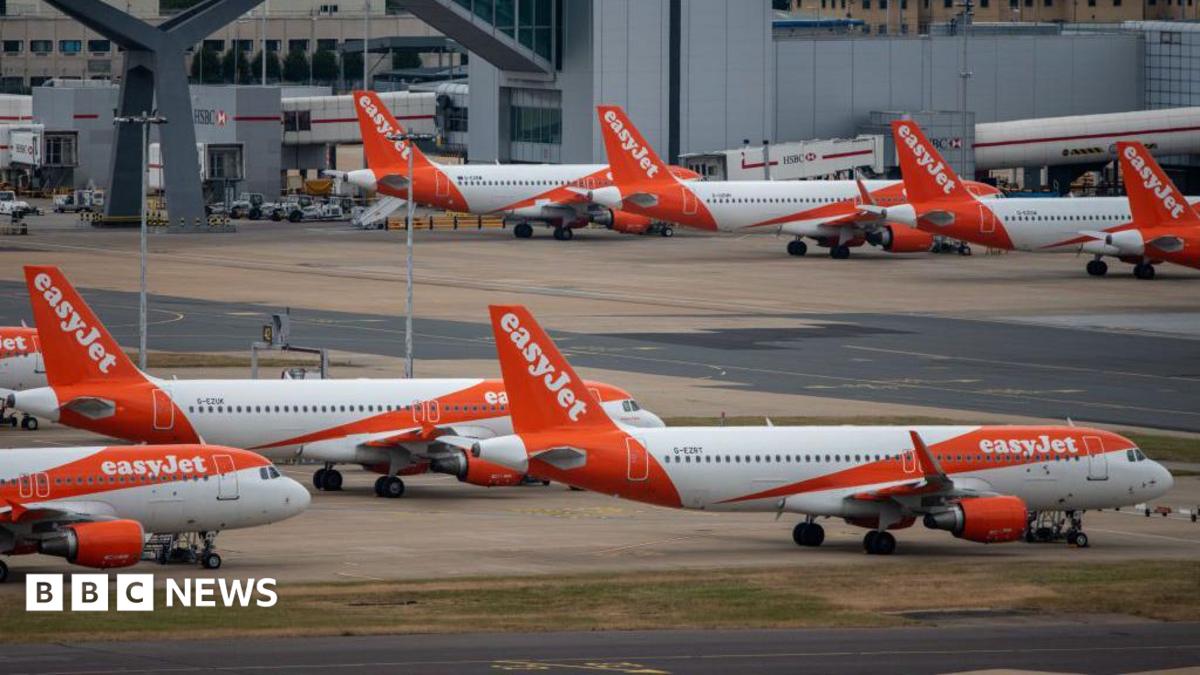
Passengers at Heathrow and Gatwick face widespread flight cancellations and severe delays caused by severe thunderstorms and technical failures.
- Core Development: Passengers at Heathrow and Gatwick face widespread flight cancellations and severe delays caused by severe thunderstorms and technical failures.
- Beat Context: Categorized under Transport with independent corroboration.
- Reporting Depth: 3 minute analytical read synthesized from verified newsroom sources.
Passengers across the United Kingdom face severe aviation disruption as severe weather and technical infrastructure failures collide at major travel hubs. Travellers attempting to navigate departures and arrivals at Heathrow and Gatwick have confronted widespread cancellations, missed connections, and hours of tarmac gridlock. The overlapping crises have exposed deep vulnerabilities in the nation's aviation network, leaving tens of thousands of holidaymakers stranded across domestic and continental terminals.
The latest wave of disruption stems from severe thunderstorms sweeping across southeast England and wider European airspace. According to data from tracking services, adverse weather conditions compelled National Air Traffic Services (NATS) and Eurocontrol to implement temporary airspace restrictions. Controllers required aircraft to avoid affected storm cells and maintain wider spacing limits, which drastically reduced the hourly capacity of takeoffs and landings at key transport hubs.
Media additions


The sudden storms developed overnight following an extreme heatwave that pushed temperatures to record levels across parts of the country. Eurocontrol noted that a broad corridor of unstable air stretched from northern Spain to southern Sweden, generating volatile weather systems that heavily restricted air routes between Great Britain and continental Europe. Flights bound for destinations such as Dublin, Spain, and Greece experienced severe knock-on effects, with several aircraft forced to divert or return to their origin airports after unsuccessful landing attempts.
Compounding the weather-related chaos, the aviation network was already reeling from a major technical fault within the NATS flight processing system. While technicians eventually resolved the core system issue, aviation bosses admitted that recovery took longer than hoped as carriers struggled to reposition misplaced aircraft and crews who had hit legal working-hour limits.
| Airport / Carrier | Impacted Services | Primary Cause | Passenger Scale |
|---|---|---|---|
| Heathrow Airport | Hundreds of delayed and cancelled flights | Thunderstorms and ATC technical failure | Tens of thousands affected |
| Gatwick Airport | Hundreds of delayed and cancelled flights | Thunderstorms and network backlog | Tens of thousands affected |
| British Airways | Nearly 550 flights axed across initial days | Weather restrictions and repositioning | 85,000 customers impacted initially |
| EasyJet | Dozens of cancellations and diversions | Airspace capacity limits and storms | Thousands stranded |
The disruption triggered intense political and industrial fallout. Ryanair and Wizz Air openly criticised NATS leadership, calling for the resignation of chief executive Martin Rolfe following repeated infrastructure failures. Defending his position during media appearances, Mr Rolfe insisted his primary focus remained on maintaining safety while clearing the flight backlog.
Frustrated passengers encountered significant communication breakdowns and gruelling conditions. Travellers reported being trapped on stationary aircraft for several hours without adequate air conditioning or refreshments before flights were ultimately cancelled. Travel expert Simon Calder warned passengers that because the disruptions were classified as extraordinary circumstances driven by adverse weather and technical restrictions, travellers would not receive cash compensation, though airlines remained legally obligated to provide hotel accommodations, food vouchers, and alternative transport.
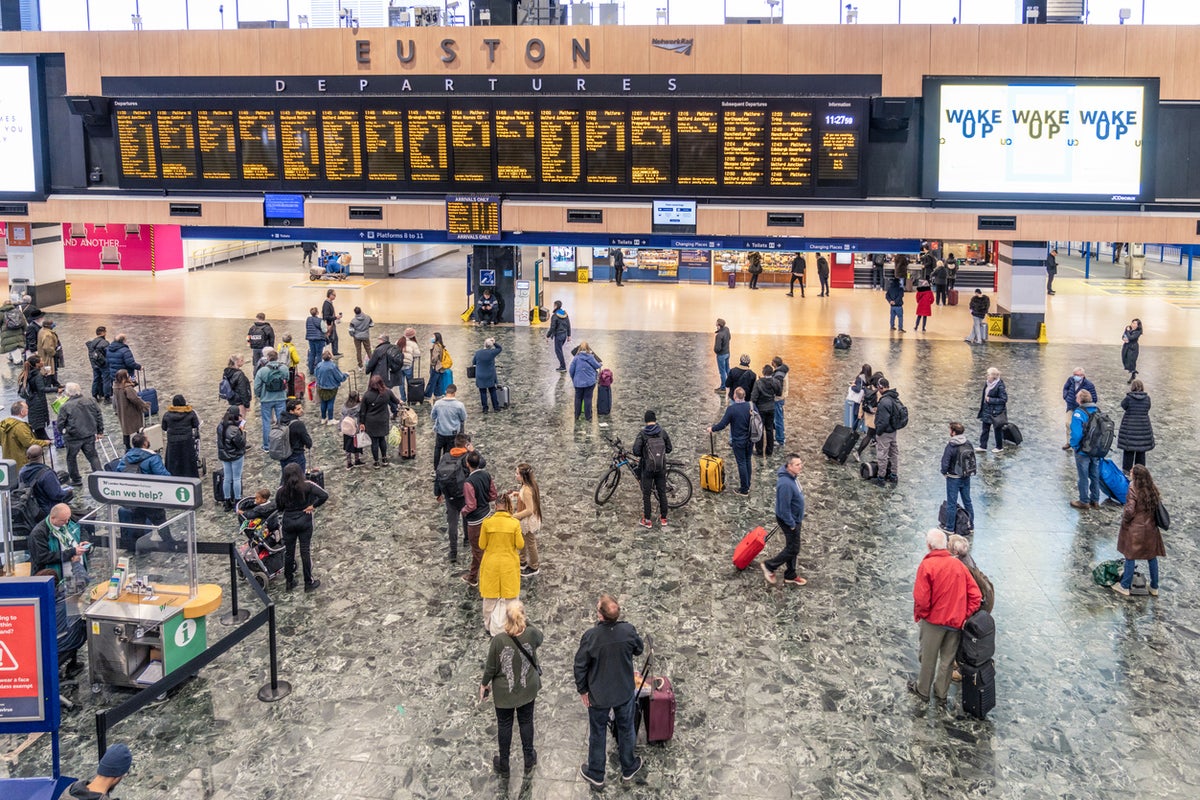
Beyond the skies, the wider travel network experienced concurrent pressures. Rail passengers faced major engineering works, including the closure of the West Coast Main Line hub at London Euston, forcing travellers onto replacement bus services. Simultaneously, motorists encountered heavy holiday traffic and rising fuel costs, while ferry operators across the Irish Channel managed variable weather conditions.
Industry stakeholders are now bracing for additional operational hurdles. Aviation leaders have warned that the impending full rollout of the European Union's entry-exit system could introduce severe border control queues at continental entry points. Passengers across all affected airports are strongly advised to check live flight trackers and confirm their status with individual airlines before attempting to travel.
How significant is this development?
Contribute your assessment to the aggregated reader sentiment ledger.
Frequently Asked Questions
Key questions answered in this reportWhat is the key development in: Heathrow and Gatwick face further flight delays and cancellations from storms?
Passengers at Heathrow and Gatwick face widespread flight cancellations and severe delays caused by severe thunderstorms and technical failures.
Why is this Transport development significant for the UK?
This report covers critical events in our Transport beat. Independent reporting monitors related UK statements, regulatory shifts, and public responses as further verified details emerge.
How was this reporting corroborated and verified?
Newsarchy UK compiles and cross-references reporting from primary reporting from The Independent and cross-checked wire reports. All coverage adheres to published editorial standards.
When was this report published?
This briefing was published on September 10, 2026 and is permanently cataloged in the Newsarchy UK Transport archives.