Iran and US trade strikes as mediation talks begin for ten-day ceasefire
The United States and Iran are engaged in a period of high-intensity military operations while indirect mediators propose a 10-day ceasefire. The conflict has severely restricted shipping through the Strait of Hormuz, impacting regional stability and global energy prices.
- Core Development: The United States and Iran are engaged in a period of high-intensity military operations while indirect mediators propose a 10-day ceasefire. The conflict has severely restricted shipping through the Strait of Hormuz, impacting regional stability and global energy prices.
- Beat Context: Categorized under Transport with independent corroboration.
- Reporting Depth: 3 minute analytical read synthesized from verified newsroom sources.
Military operations in the Middle East have entered a sustained period of high-intensity exchange as the United States concluded a tenth consecutive night of airstrikes against Iranian infrastructure. The campaign, which represents a significant departure from the interim ceasefire established last month, is aimed at securing the Strait of Hormuz for commercial shipping. President Donald Trump to direct military leadership to ensure Iran pays for the casualties many times over
.
The U.S. Central Command (CENTCOM) stated that the most recent wave of strikes targeted Iranian command centres, missile and drone launch sites, and maritime capabilities. The conflict, which originally began on 28 February 2026, has seen shipping traffic through the strait drop to a fraction of its typical volume, contributing to upward pressure on global energy prices.
Media additions
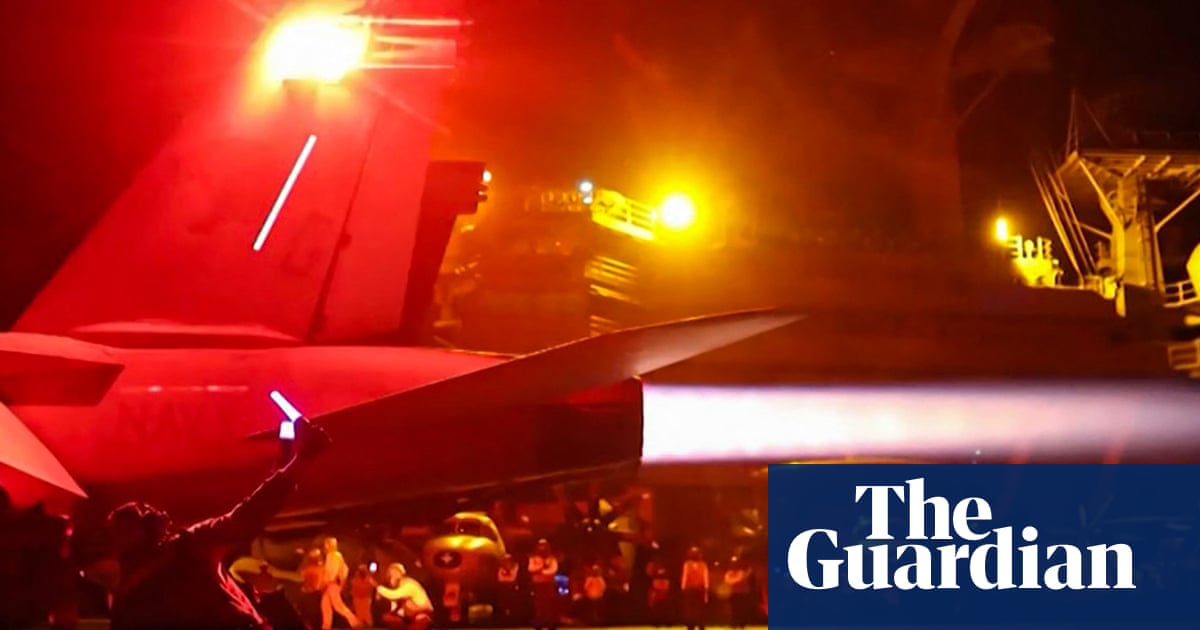
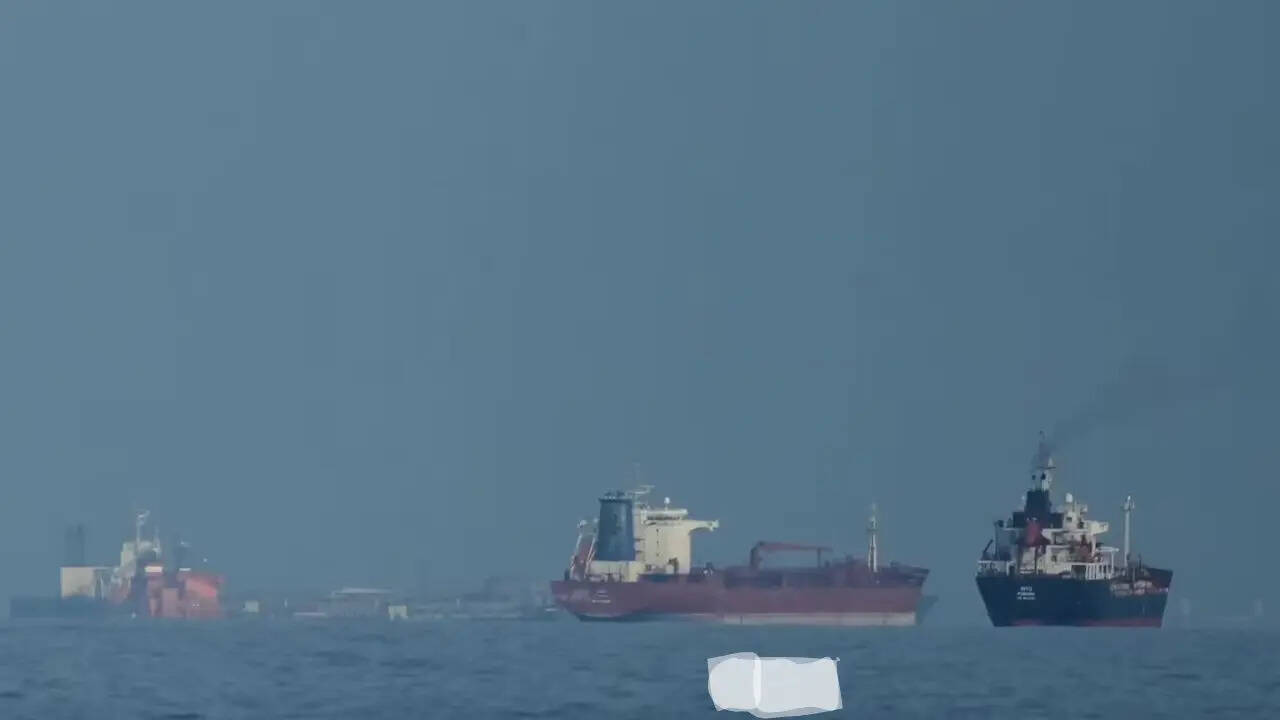
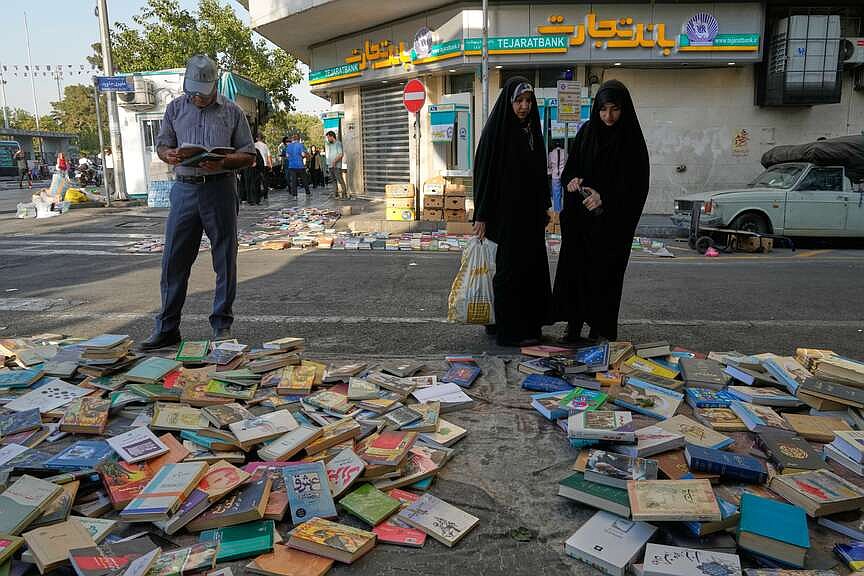
Diplomatic efforts amidst kinetic escalation
Despite the persistent exchange of fire, both nations have confirmed that indirect diplomatic channels remain active. An Iranian official reported that Tehran has received a proposal from mediators for a 10-day ceasefire intended to salvage the collapsed agreement signed on 17 June 2026. Iranian Interior Minister Eskandar Momeni traveled to Islamabad on Monday for talks with Pakistani leadership, signalling a potential window for de-escalation. The U.S. State Department, while reiterating that it remains open to a diplomatic solution, maintains that any negotiations must reflect the current security environment on the ground.
The regional conflict expanded on Monday as the Iranian-aligned Houthi movement in Yemen declared a naval blockade on Saudi Arabia in retaliation for strikes on Sanaa airport. This move threatens to complicate energy exports further, as Saudi Arabia has been utilizing the Red Sea route to bypass the bottlenecks at the Strait of Hormuz. United Nations officials have expressed concern that this new front risks triggering an even wider regional escalation.
Current status of military engagements
- U.S. Operations: CENTCOM continues to enforce a naval blockade, disabling at least one commercial vessel and redirecting others while maintaining air operations from regional bases.
- Iranian Retaliation: The Islamic Revolutionary Guard Corps (IRGC) reported strikes against U.S.-linked military assets in Kuwait and Bahrain, claiming damage to radar installations and missile defence systems.
- Casualties and Injuries: Pentagon officials confirmed that nearly 100 personnel have sustained injuries since 7 July 2026, with the majority having returned to duty.
- Regional Impact: Air raid sirens were activated in Bahrain on Monday, and Jordanian forces reported intercepting Iranian missiles launched toward the kingdom.
The "Pilot Zone" initiative in Lebanon
While the broader conflict between the U.S. And Iran escalates, the State Department noted progress in a separate, localized effort in Lebanon. Operations have commenced in three villages — Froun, Srifa, and Zawtar Al-Gharbiya — as part of a scheme to transition control from Israeli forces to the Lebanese army. U.S. Officials described this as a milestone aimed at reducing the influence of non-state armed groups, though the stability of these zones remains subject to the broader regional security situation.
What to watch next
The immediate outlook for the region remains volatile, contingent on the success of the proposed 10-day ceasefire. Observers are tracking several key indicators:
| Event | Status |
|---|---|
| 10-day ceasefire proposal | Under consideration by Tehran via mediators |
| Diplomatic talks in Islamabad | Ongoing |
| Strait of Hormuz transit | Severely restricted |
| Dignified transfer of U.S. Troops | Rescheduled, date pending |
As the U.S. Military reinforces its regional posture, including the deployment of additional refuelling aircraft to Israel, the effectiveness of the current mediation attempts is being tested against continued military action.
How significant is this development?
Contribute your assessment to the aggregated reader sentiment ledger.
Frequently Asked Questions
Key questions answered in this reportWhat is the key development in: Iran and US trade strikes as mediation talks begin for ten-day ceasefire?
The United States and Iran are engaged in a period of high-intensity military operations while indirect mediators propose a 10-day ceasefire. The conflict has severely restricted shipping through the Strait of Hormuz, impacting regional stability and global energy prices.
Why is this Transport development significant for the UK?
This report covers critical events in our Transport beat. Independent reporting monitors related UK statements, regulatory shifts, and public responses as further verified details emerge.
How was this reporting corroborated and verified?
Newsarchy UK compiles and cross-references reporting from primary reporting from cbsnews.com and cross-checked wire reports. All coverage adheres to published editorial standards.
When was this report published?
This briefing was published on July 21, 2026 and is permanently cataloged in the Newsarchy UK Transport archives.