Kazakhstan highlights constitutional reforms and EU ties at Brussels dialogue
At the Shanyraq Dialogues in Brussels, officials reviewed Kazakhstan's sweeping constitutional reforms, upcoming legislative bodies, and expanded EU partnerships.
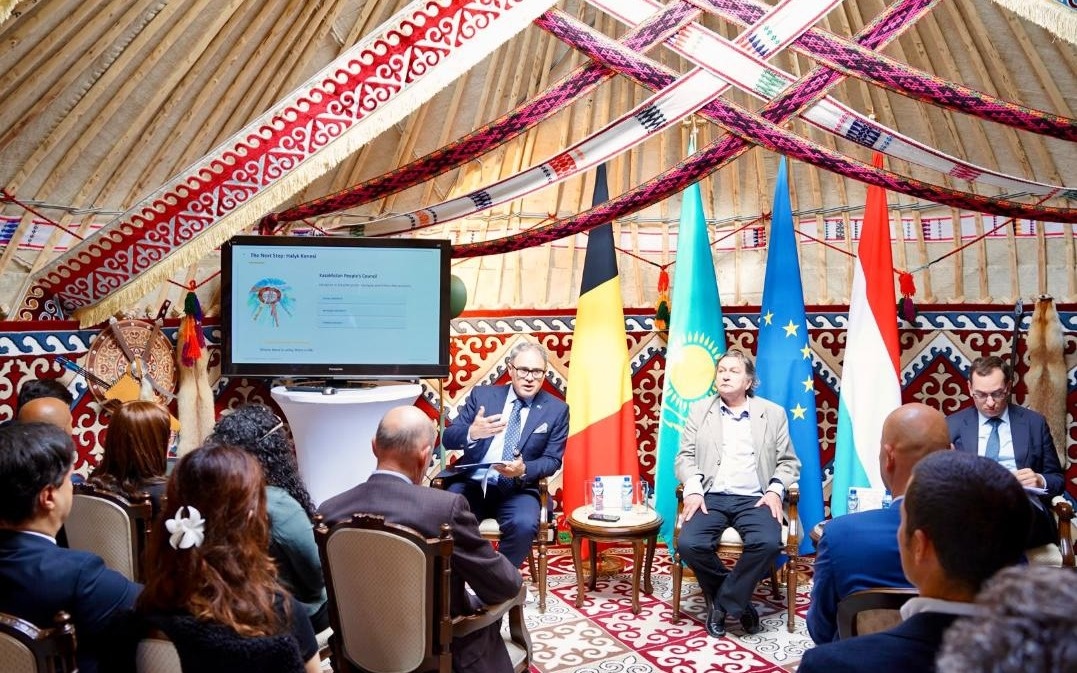
Kazakhstan's diplomatic and political transformation took centre stage during a high-level gathering in the Belgian capital on Thursday, 11 September 2026. Hosted by the Kazakh Embassy in Belgium, the latest session of the Shanyraq Dialogues platform convened diplomats, European Union officials, representatives of the Belgian Royal Palace, the European Investment Bank, and various business and media figures to examine the country's sweeping constitutional updates and evolving international partnerships.
The meeting, themed around Kazakhstan's new political era and constitutional reforms in action, served as a stocktaking exercise for lawmakers and international observers alike. Opening the proceedings, Ambassador of Kazakhstan to Belgium Roman Vassilenko outlined the tangible results of the country's institutional overhaul. According to Enbekshi QazaQ, the reforms are designed to advance public dialogue and improve the effectiveness of public administration. Central to this new phase is the forthcoming establishment of the Halyq Kenesi, conceived as an inclusive public platform to shape the national legislative agenda alongside the newly operational unicameral Kurultai.
Media additions
Observers from European analytical circles offered distinct assessments of these domestic shifts. Georgi Gotev, editor-in-chief of EUalive, praised the country's inaugural Kurultai elections as a notable milestone and commended the Shanyraq Dialogues format for fostering closer ties between Brussels and Astana. Meanwhile, Alberto Turkstra, project director at Diplomatic World, characterised the current political juncture as a turning point. Turkstra noted that the core challenge moving forward lies less in the written text of the constitutional reform and more in the practical functioning of the new institutions and the political culture they ultimately cultivate.
Beyond institutional changes, the Brussels dialogue cast a wide net across economic, technological, and environmental cooperation. Digitalisation, artificial intelligence, and infrastructure development formed key pillars of the agenda. Participants also examined Kazakhstan's strategic positioning in regional and intercontinental transport coverage, with particular emphasis on trade and investment opportunities. Attention was drawn to the upcoming AI & Digital Bridge forum scheduled for 1–3 October 2026 in Astana, where European partners have been invited to collaborate on smart cities and technology transfer.
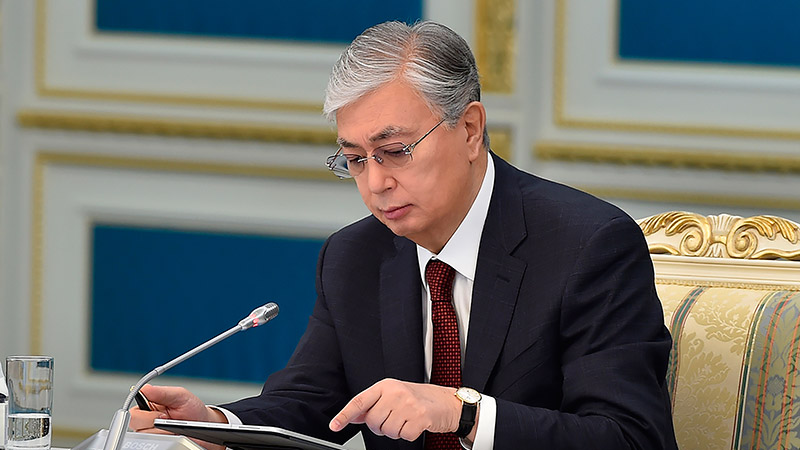
This diplomatic outreach in Europe mirrors broader strategic shifts articulated by President Kassym-Jomart Tokayev. Analyses from the International Institute for Middle-East and Balkan Studies (Eurasiareview) highlight Tokayev's framing of Kazakhstan as a responsible middle power. Rather than relying solely on geographic size or raw material wealth, Astana is actively building diplomatic capital through normative positioning, notably its historical legacy regarding nuclear non-proliferation. The recent twentieth-anniversary observance of the Central Asian Nuclear-Weapon-Free Zone treaty underscores Kazakhstan's long-standing advocacy for global disarmament, stemming from the legacy of the Semipalatinsk test site.
To better understand the complex nature of Kazakhstan's foreign and domestic policy framework, the following comparative overview outlines the core strategic initiatives currently shaping the country's trajectory:
| Strategic Domain | Key Initiative or Platform | Primary Objective |
|---|---|---|
| Domestic Governance | Halyq Kenesi & Unicameral Kurultai | Enhancing legislative accountability, citizen participation, and institutional balance. |
| Transport & Logistics | Trans-Caspian International Transport Route (Middle Corridor) | Diversifying trade routes connecting China and Europe via the Caspian region. |
| Technology & Security | AI & Digital Bridge 2026 Forum | Fostering international cooperation in artificial intelligence, digitalisation, and smart infrastructure. |
| Normative Diplomacy | Central Asian Nuclear-Weapon-Free Zone | Promoting global disarmament, non-proliferation, and peaceful dispute settlement. |
The geopolitical imperative of these initiatives is particularly acute for energy and trade routes. As traditional corridors face mounting pressures, the Trans-Caspian International Transport Route—often termed the Middle Corridor—has grown in economic and strategic significance. Analysts note that Astana is actively working to avoid remaining a mere transit territory, instead seeking to anchor logistics, warehousing, and industrial added value within its own borders. Similar proactive governance is evident in transboundary water management, where Tokayev has pushed for cooperative regional frameworks to address climate pressures.
The dialogue in Belgium also touched upon potential synergies with the Western Balkans, raising questions about whether peripheral European regions might plug into the burgeoning Eurasian transport networks. Observers suggest that closer institutional linkages between Central Asian states and European partners could yield novel diplomatic and economic formats in the coming years.
What happens next will be tested on the ground during the upcoming technology summit in Astana in October 2026, where concrete partnerships in artificial intelligence and digital customs procedures are expected to be hashed out. Meanwhile, the practical implementation of the newly empowered legislative bodies and the rollout of the Halyq Kenesi will determine how effectively constitutional theory translates into sustainable political reality.