Kazakhstan to spend 2 trillion tenge on major construction projects from National Fund
Kazakhstan plans to inject trillions of tenge from its National Fund into major infrastructure and social construction projects through the end of the decade.
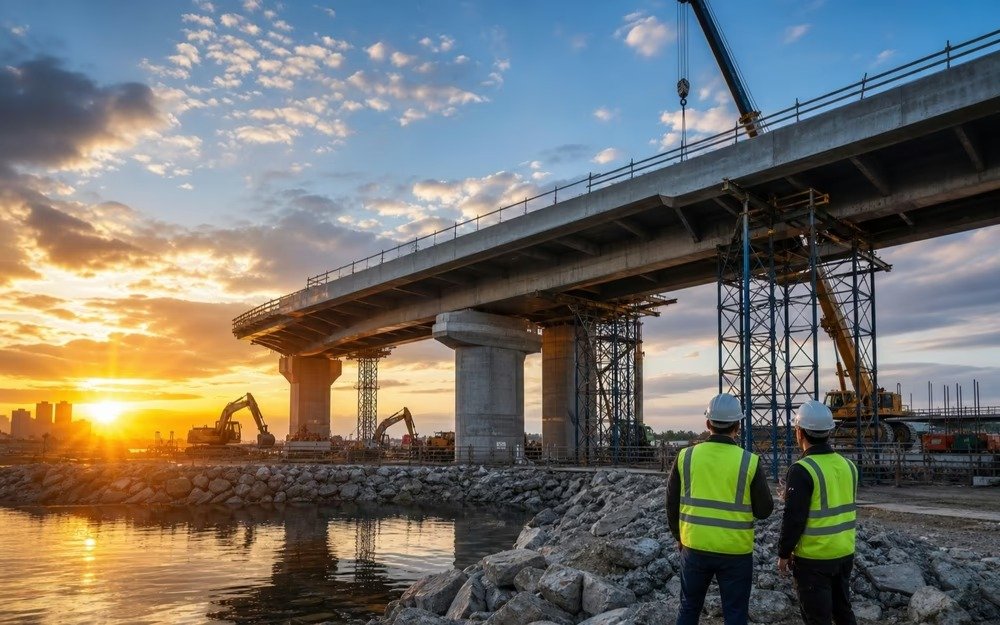
- Core Development: Kazakhstan plans to inject trillions of tenge from its National Fund into major infrastructure and social construction projects through the end of the decade.
- Beat Context: Categorized under Transport with independent corroboration.
- Reporting Depth: 3 minute analytical read synthesized from verified newsroom sources.
Kazakhstan has set a decisive course for a wave of national construction backed by multi-trillion-tenge injections from its state reserves, a move designed to reshape domestic infrastructure while navigating shifting macroeconomic pressures. The strategy anchors a broader socio-economic development framework through the end of the decade, tying large-scale public works directly to the resources of the National Fund, according to reporting by Qazinform.
According to announcements delivered during cabinet discussions by Deputy Prime Minister and Minister of National Economy Serik Zhumangarin, the executive branch is authorized to tap the state reserves for a specialized major construction initiative. As reported by Qazinform, the targeted funding will funnel directly into critical facilities and infrastructure projects of national importance. This expenditure strategy runs parallel to traditional fiscal mechanisms, maintaining guaranteed transfers while layering targeted allocations over the three-year planning cycle.
Media additions

Members of Kazakhstan's Qurultay have advanced the draft law on the republican budget for 2027–2029 in its first reading, according to Qazinform News Agency and Jiji Press. The Qurultay's Finance and Budget Committee noted that the National Fund is expected to receive 3.78 trillion tenge from oil sector companies in 2027, marking a decrease compared to the preceding year's estimate. This revenue forecast assumes specific macroeconomic baselines, including oil production of 96 million tons, a global oil price of $70 per barrel, and an exchange rate of 480 tenge to the US dollar. Earlier reporting indicated that Kazakhstan had narrowed its oil production shortfall by 4 million tons, with performance led by major fields such as Tengiz, Kashagan, and Karachaganak.
The financial architecture supporting these projects relies on substantial revenue projections for the republican budget. State revenues are projected to reach 19.9 trillion tenge, representing a notable increase compared to estimates for the current year. Officials attribute this anticipated fiscal expansion primarily to underlying economic growth, adjustments in value-added tax handling, and diverse non-tax contributions. Meanwhile, the underlying health of the National Fund remains robust, with net foreign-currency assets projected to expand steadily over the forecast period, providing a cushion against external volatility.
Regional context highlights how Kazakhstan's trajectory compares with neighbors across Central Asia and the wider trade network. Analyses from the International Monetary Fund place broader regional growth in perspective, while domestic analysts point out that capital injections must stimulate genuine industrial output. Financial analyst Rassul Rysmambetov emphasized that physical construction alone cannot drive sustainable prosperity without a simultaneous build-out of factories, processing facilities, and energy generation, as detailed by The Astana Times.
Parallel trade dynamics in the wider Eurasian space continue to influence supply chains and input costs. For instance, shifting customs policies in neighboring jurisdictions — such as proposed tariff hikes on goods from countries classified as unfriendly by Russian regulators — have redirected regional trade flows and altered import volumes for commodities ranging from industrial goods to consumer products, according to analyses covered by Vinetur. Domestically, planners are counting on steady non-resource exports and solid performance in manufacturing, agriculture, and warehousing to bolster the economy.
| Indicator (2027–2029) | 2027 Projection | 2028 Projection | 2029 Projection |
|---|---|---|---|
| Targeted National Fund Transfer | 2.0 trillion tenge | 1.5 trillion tenge | 1.5 trillion tenge |
| Projected Inflation Range | 7.5% – 9.5% | 6.0% – 8.0% | 6.0% – 8.0% |
| National Fund Foreign Assets | $65.2 billion | $67.3 billion | $70.6 billion |
| Construction Sector Growth | 16% | (Not specified in sources) | 17.3% |
Inflation control remains a central pillar of the government's economic strategy. Zhumangarin noted that consumer price growth has shown signs of slowing, and authorities have committed to subduing price pressures to protect household purchasing power and real incomes. The official macroeconomic framework anticipates that price growth will moderate through the end of the decade, aligning closer to medium-term stability targets even as massive public spending injects liquidity into the construction sector.
What happens next depends on the formal legislative passage of the budget and the execution of the targeted infrastructure allocations. Lawmakers in the Qurultay have advanced the budgetary package through initial readings, but strict adherence to fiscal rules, ongoing tax code refinements, and the actual pace of non-oil sector growth will determine whether the ambitious construction targets can be realized without triggering inflationary shocks.
How significant is this development?
Contribute your assessment to the aggregated reader sentiment ledger.
Frequently Asked Questions
Key questions answered in this reportWhat is the key development in: Kazakhstan to spend 2 trillion tenge on major construction projects from National Fund?
Kazakhstan plans to inject trillions of tenge from its National Fund into major infrastructure and social construction projects through the end of the decade.
Why is this Transport development significant for the UK?
This report covers critical events in our Transport beat. Independent reporting monitors related UK statements, regulatory shifts, and public responses as further verified details emerge.
How was this reporting corroborated and verified?
Newsarchy UK compiles and cross-references reporting from primary reporting from vinetur.com and cross-checked wire reports. All coverage adheres to published editorial standards.
When was this report published?
This briefing was published on October 14, 2026 and is permanently cataloged in the Newsarchy UK Transport archives.