London Gatwick faces ongoing easyJet flight delays
London Gatwick is experiencing ongoing flight disruptions, with schedules heavily impacted by continental airspace restrictions and cascading rotations.
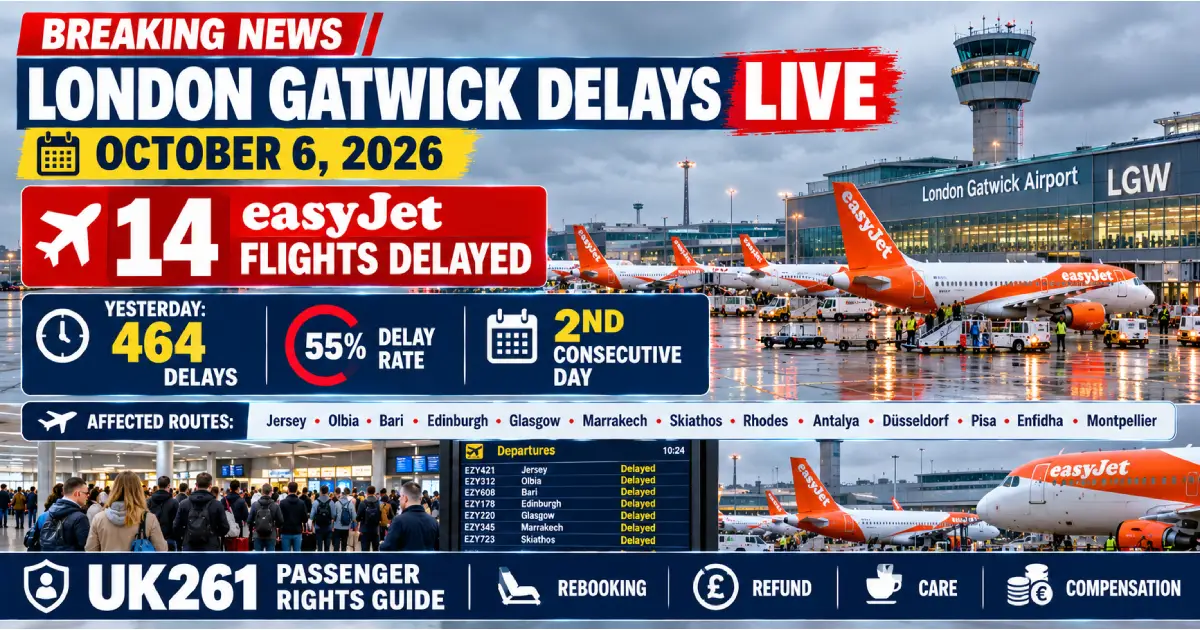
- Core Development: London Gatwick is experiencing ongoing flight disruptions, with schedules heavily impacted by continental airspace restrictions and cascading rotations.
- Beat Context: Categorized under Transport with independent corroboration.
- Reporting Depth: 4 minute analytical read synthesized from verified newsroom sources.
London Gatwick is grappling with persistent flight disruption, leaving passengers facing compounding delays primarily driven by schedule rotations and continental airspace flow restrictions. The ongoing situation follows a wave of operational instability across UK airports, underscoring the delicate balance required to maintain efficient operations at the nation's second-busiest aviation hub.
The disruption at London Gatwick stems from a combination of systemic airspace constraints and inherited schedule deficits. European air traffic management, coordinated via Eurocontrol, applies flow restrictions to manage aircraft volume entering congested continental sectors. When regulators restrict flows across French, Spanish, or southern European corridors — which serve as primary destination paths for Gatwick's carrier base — departures must hold longer on the ground before receiving take-off clearance slots.
Media additions

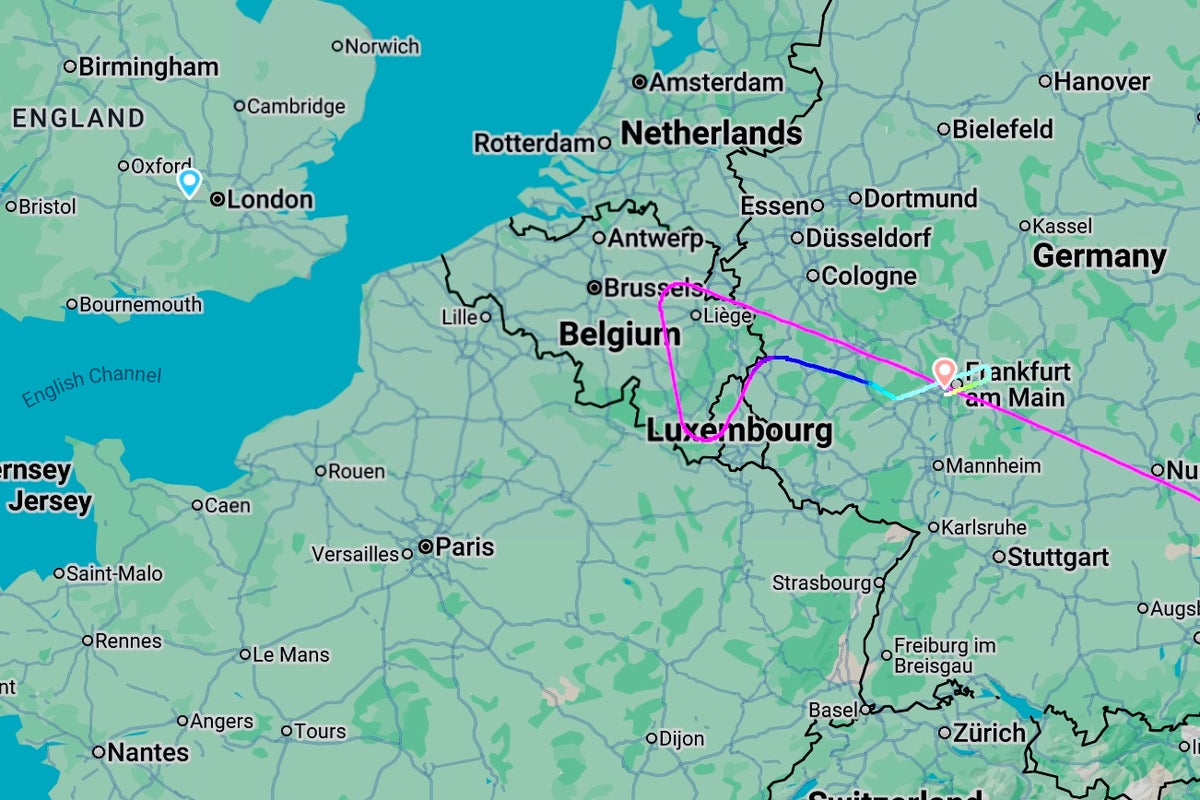

This adds significant minutes to scheduled departure times without airline fault. However, a compounding mechanism turns isolated slot restrictions into consecutive days of disruption. According to reporting on London Gatwick delays, when an aircraft lands behind schedule at night, its subsequent morning crew rest calculations are pushed back, automatically delaying the initial departures of the following day.
The structural vulnerability is particularly acute for easyJet, which operates a substantial majority of flights at Gatwick. As the airport's largest base, any scheduling friction ripples quickly through its closely timed rotation-dependent departures. The carrier has previously identified staff shortages in the Gatwick air traffic control tower as a contributor to historical delays, magnifying the impact when external airspace restrictions occur.
Broader network vulnerabilities have also weighed on UK aviation. The BBC notes that technical issues within air traffic control systems have periodically forced widespread cancellations and ground stops across major hubs, including Heathrow and Manchester. While providers such as Nats report that operations stabilize following technical faults, the ensuing backlogs require days for schedules to normalize.
| Carrier / Authority | Primary Disruption Factor | Impacted Hubs | Operational Response |
|---|---|---|---|
| easyJet | Rotation cascades and continental flow restrictions | London Gatwick, Manchester | Rebooking passengers, managing duty of care |
| Nats | Air traffic control system faults and processing issues | Heathrow, Gatwick, Manchester | System stabilization and government reporting |
| Virgin Atlantic / TUI / BA | Hurricane Milton terminal closures | Heathrow, Manchester, Gatwick | Flight cancellations and 24-hour rescheduling |
Passengers affected by delays departing from UK airports retain specific rights under UK261 regulations. While Eurocontrol airspace restrictions are frequently classified as extraordinary circumstances that may exempt airlines from fixed cash compensation, rotation-induced delays within an airline's operational control do not share this exemption.
Carriers are required to provide duty-of-care provisions, including food and drink vouchers, once a delay exceeds two hours at the terminal. If flights are cancelled or delayed beyond statutory limits, travellers are entitled to alternative rebooking or full cash refunds rather than mandatory travel vouchers.
Readers seeking broader context on aviation capacity management and regulatory frameworks can consult Department for Transport guidelines or review historical analyses via The Independent and The i Paper regarding seasonal airport caps and slot rules.
The wider aviation network has also faced external shocks from severe weather events. Airlines including Virgin Atlantic, TUI, and British Airways were forced to cancel or reschedule flights following the landfall of Hurricane Milton, which battered Florida's west coast with heavy rain, tornadoes, and winds exceeding 100 miles per hour. Major transport hubs such as Orlando International Airport, Tampa Airport, and Melbourne Orlando International Airport suspended operations, prompting carriers to adjust schedules, rebook passengers, or provide full refunds.
These compounded weather events and air traffic control glitches highlight the vulnerability of international schedules. Because major airports operate with minimal slack, any interruption to outbound or inbound paths quickly cascades through multi-leg rotations.
What to Watch Next
- Monitor live departure boards via airport authorities and carrier applications for real-time schedule adjustments.
- Check upcoming weather advisories and continental traffic flow updates before travelling to major London hubs.
- Review statutory compensation and reimbursement procedures via official consumer guidance if travel plans encounter extended disruption.
For ongoing developments regarding airport operations and industry regulation, follow further updates on our Transport coverage portal.
How significant is this development?
Contribute your assessment to the aggregated reader sentiment ledger.
Frequently Asked Questions
Key questions answered in this reportWhat is the key development in: London Gatwick faces ongoing easyJet flight delays?
London Gatwick is experiencing ongoing flight disruptions, with schedules heavily impacted by continental airspace restrictions and cascading rotations.
Why is this Transport development significant for the UK?
This report covers critical events in our Transport beat. Independent reporting monitors related UK statements, regulatory shifts, and public responses as further verified details emerge.
How was this reporting corroborated and verified?
Newsarchy UK compiles and cross-references reporting from primary reporting from The i Paper and cross-checked wire reports. All coverage adheres to published editorial standards.
When was this report published?
This briefing was published on October 15, 2026 and is permanently cataloged in the Newsarchy UK Transport archives.