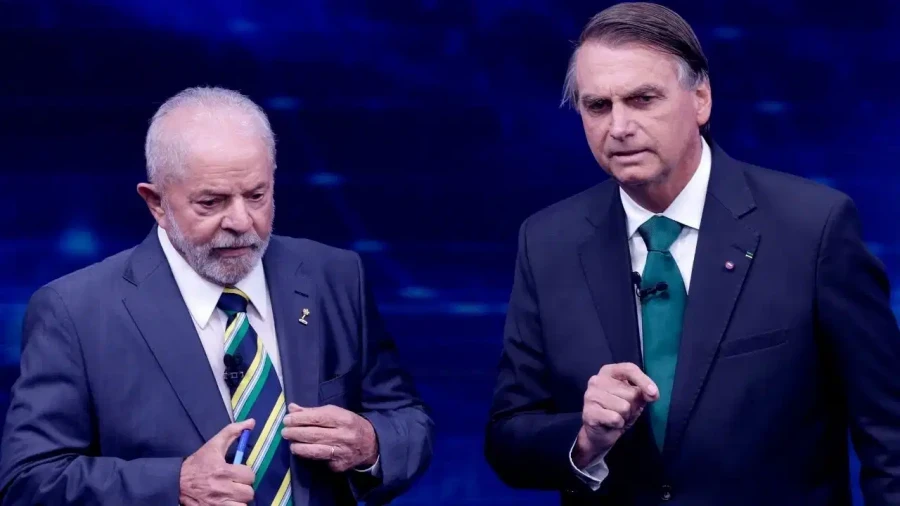
Lula da Silva wins fourth presidential term in Brazil runoff election
Incumbent Luiz Inácio Lula da Silva secured a historic fourth presidential term in Brazil's runoff election, defeating conservative challenger Flávio Bolsonaro.
- Core Development: Incumbent Luiz Inácio Lula da Silva secured a historic fourth presidential term in Brazil's runoff election, defeating conservative challenger Flávio Bolsonaro.
- Beat Context: Categorized under Transport with independent corroboration.
- Reporting Depth: 4 minute analytical read synthesized from verified newsroom sources.
Brazilian President Luiz Inácio Lula da Silva has secured a historic fourth nonconsecutive term in office, defying the odds to defeat conservative challenger Senator Flávio Bolsonaro in a fiercely contested runoff vote that has deeply polarized South America's largest country and sent shockwaves through international financial markets.
The final tally reported by the Superior Electoral Court (TSE) showed the 80-year-old incumbent capturing 51.8% of valid votes — or 51.76% according to alternative reporting — against 48.24% for the younger Bolsonaro, delivering a margin of more than 4 million votes, as detailed by Jiji Press. This victory breaks long-standing electoral precedent in modern Brazilian politics. In the initial ballot, Bolsonaro had finished ahead with 47.03% of valid votes compared with Lula's 45.16%, establishing a three-week sprint of intense campaigning that saw the lead change hands multiple times during early vote-counting phases before urban centres and the heavily populated Northeast tipped the balance.
Media additions


Despite the certified numbers, political tensions immediately flared. Bolsonaro refused to concede defeat, declaring his intention to seek the annulment of Sunday's outcome, Cnbc reported. The dispute centres on a ruling by Supreme Court Justice Cristiano Zanin, who granted a two-hour extension to voting across the nation. While both campaigns had petitioned for additional time, Lula's team citing suspended public transportation in vital areas that constituted voter suppression, and Bolsonaro's camp citing heavy rains that shut down polling stations in southern right-wing strongholds, Bolsonaro condemned the extension as unacceptable
.
The fallout extended well beyond Brazil's borders, drawing sharp divisions among international observers and foreign leaders. Left-wing figures and regional heads of state rushed to congratulate the returning president. Mexican leader Claudia Sheinbaum posted on X that Long live democracy, the people of Brazil won
, a sentiment echoed by leaders across Latin America, Europe, and international institutions. European Commission President Ursula von der Leyen proclaimed that democracy and multilateralism have won
in Brazil, pledging continued cooperation on climate ambitions and free trade, as noted by Al Jazeera.
Conversely, conservative figures criticized the process. Donald Trump Jr. Took aim at the procedural extensions on social media, suggesting mainstream media bias in handling the election dynamics. Analysts noted that Lula's victory blocks a broader right-wing shift in Latin America previously championed by U.S. President Donald Trump, whose administration would have preferred a Brazilian counterpart closely aligned with Washington's hemispheric policies, according to Daniela Portella Sampaio, senior research fellow for Latin American Security at the U.K. Think tank Royal United Services Institute.
Economic realities now loom large over the incoming administration. Brazil faces a deteriorating fiscal situation, with gross public debt climbing to 82.9% of Gross Domestic Product in August, the highest level recorded since March 2021, driven by double-digit interest rates, heavy debt-servicing costs, and rigid mandatory spending constraints. Financial markets reacted swiftly to the outcome. Investors had largely priced in a Bolsonaro victory, anticipating aggressive fiscal austerity and deregulation; consequently, the iShares MSCI Brazil ETF plunged nearly 20% in overnight trading.
| Electoral Phase | Luiz Inácio Lula da Silva | Flávio Bolsonaro |
|---|---|---|
| First Round (Oct. 4) | 45.16% | 47.03% |
| Runoff Vote (Oct. 25) | 51.76% – 51.8% | 48.24% – 48.2% |
Market analysts predict that Lula's administration will likely maintain a gradual approach to governance, leaning on existing fiscal frameworks while attempting to safeguard public investment and social welfare programs, according to Alejo Czerwonko, a fellow at the Atlantic Council. Meanwhile, Goldman Sachs researchers anticipate modest measures aimed at reining in government spending growth alongside potential increases in an already substantial tax burden, though major structural reforms remain an uphill battle given that Bolsonaro's Liberal Party commands the largest congressional bench seen in decades.
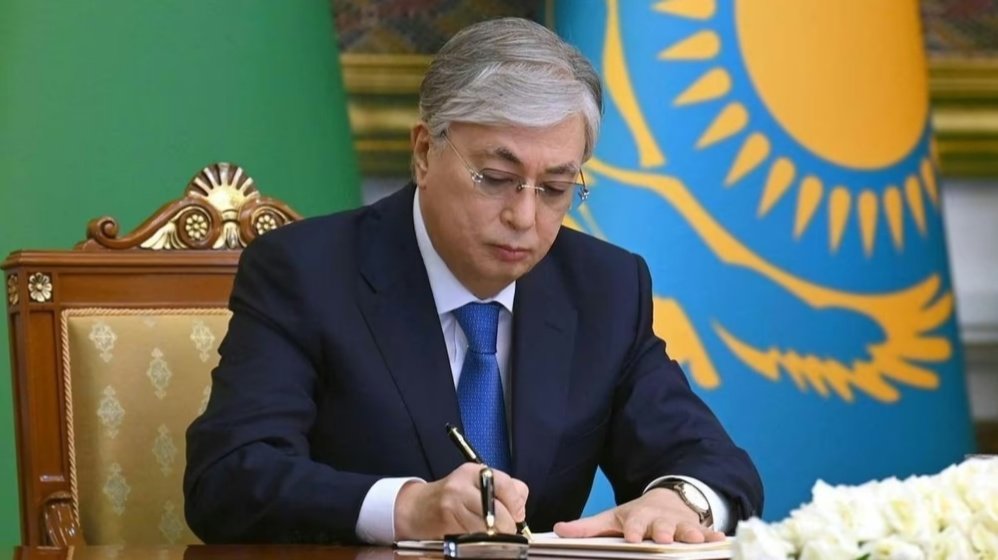
International congratulations arrived from numerous heads of state, reflecting complex geopolitical stakes. Kazakh President Kassym-Jomart Tokayev praised Lula's dedication to reinforcing national sovereignty, elevating Brazil's global standing, pushing for United Nations reform, and championing a rules-based global order, as reported by Qazinform and Tengrinews. Similar messages emphasizing regional security, trade integration, and environmental cooperation arrived from leaders across the Americas, including Canada, Chile, Peru, Bolivia, Paraguay, Uruguay, Argentina, and Panama.
As the political dust settles, attention turns toward the legal challenges threatened by the Bolsonaro camp and the stabilization of domestic markets.
How significant is this development?
Contribute your assessment to the aggregated reader sentiment ledger.
Frequently Asked Questions
Key questions answered in this reportWhat is the key development in: Lula da Silva wins fourth presidential term in Brazil runoff election?
Incumbent Luiz Inácio Lula da Silva secured a historic fourth presidential term in Brazil's runoff election, defeating conservative challenger Flávio Bolsonaro.
Why is this Transport development significant for the UK?
This report covers critical events in our Transport beat. Independent reporting monitors related UK statements, regulatory shifts, and public responses as further verified details emerge.
How was this reporting corroborated and verified?
Newsarchy UK compiles and cross-references reporting from primary reporting from qazinform.com and cross-checked wire reports. All coverage adheres to published editorial standards.
When was this report published?
This briefing was published on October 26, 2026 and is permanently cataloged in the Newsarchy UK Transport archives.