Merseyrail in Chaos – Tunnel Flooding, Signal Failures and Service Disruption
Archival reports reveal how Merseyrail faced severe disruption following subterranean flooding, signal failures, and Railtrack emergency closures.
- Core Development: Archival reports reveal how Merseyrail faced severe disruption following subterranean flooding, signal failures, and Railtrack emergency closures.
- Beat Context: Categorized under Transport with independent corroboration.
- Reporting Depth: 3 minute analytical read synthesized from verified newsroom sources.
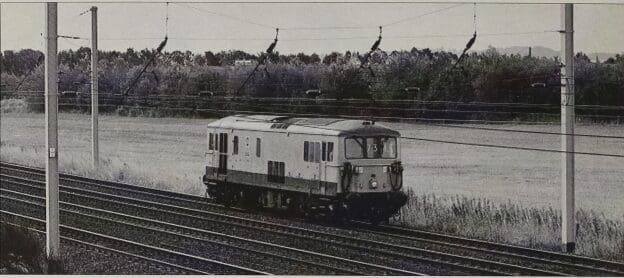
Merseyrail services were plunged into severe disruption as a combination of tunnel flooding, signalling failures, and restrictive operational controls gripped the network. Railtrack imposed emergency restrictions on train operations through the Liverpool tunnels, entirely closing the Liverpool Loop Line for several weeks as engineers grasped the true scale of deterioration underground.
The operational crisis unfolded in July and August after Railtrack imposed strict limitations on train movements through the Liverpool tunnels in a drastic bid to resolve mounting issues across the Merseyrail network, according to Colin J. Marsden and Fred Kerr writing in The Railway Magazine. The Liverpool Loop Line bore the brunt of the instability, facing complete closure from July 17 to August 21 as engineers realised the full extent of the problem via The Railway Hub. The root of the signalling turmoil stemmed from the commissioning of a £40 million IECC signalling and control centre in March 1994, which routinely malfunctioned and failed to clear level crossing barriers correctly after trains passed, according to archive records.
Media additions


Compounding the electronic failures, subterranean flooding emerged as a critical threat. When the Loop Line was constructed in 1978, excess water was pumped to dockside factories near the railway. Following the closure of these industrial sites, the unmanaged water saturated the surrounding rock strata and significantly raised the local water table, noted in the archive feature. This deluge forced persistent moisture into tunnels where signal circuits operated in too humid an environment, rotting track fastening clips originally expected to last 20 years when last relaid in 1987, and undermining paved track bases according to network engineers. Around 800 corroded track clips fastening the rails to the paved track base required replacement, and specialist mining machinery had to be lowered into the tunnel on July 31 to assist with rectification work.
| Network Section / Line | Disruption Phase | Operational Impact & Alternative Services |
|---|---|---|
| Northern Lines | Initial emergency timetable | Reduced to a 30-minute interval service before normal operations resumed. |
| Wirral Lines | Revised emergency schedules | Operated on a 15-minute interval with truncated routes and cross-Mersey bus replacements. |
| Liverpool Loop Line | Extended total and partial closures | Completely closed for extensive track and signal remediation, later reopening in phases to James Street. |
The cascading failures forced the introduction of revised timetables, replacement bus links, and cross-river ferry alternatives reported by The Railway Magazine. Railtrack initially closed the Loop Line on July 26 for a ten-day rectification period, forcing the Merseyrail Electrics TOU to introduce a further revised timetable in which all trains turned back from James Street. Merseyrail Electrics' operating problems were further worsened by falling income as the annual number of passenger journeys slumped from 39 million to 24 million in the preceding 18 months directly following the introduction of the new signalling equipment, and were exacerbated by the almost total failure of the line's new Swedish passenger information system. Merseyrail TOU director Richard Parkin issued an open letter of apology and explanation on July 26, while Railtrack chief executive John Edmunds, directors Brian Mellitt and Norman Broadhurst, and North West Railtrack director Chris Leah inspected the Loop Line tunnels two days later.
What to Watch Next
- Pending decisions on permanent pumping upgrades by Railtrack to remove higher volumes of water by increasing pumping levels or installing more powerful designs.
- Future restoration schedules for full timetable integration, following the partial reopening to James Street on August 10 and the full resumption of the timetable on August 21.
- Ongoing maintenance audits concerning damp-sensitive electrical relays within underground signalling installations, with plans to fit new types of electrical relays unaffected by damp conditions.
Further updates on regional transit challenges can be found via our dedicated Transport coverage.
How significant is this development?
Contribute your assessment to the aggregated reader sentiment ledger.
Frequently Asked Questions
Key questions answered in this reportWhat is the key development in: Merseyrail in Chaos – Tunnel Flooding, Signal Failures and Service Disruption?
Archival reports reveal how Merseyrail faced severe disruption following subterranean flooding, signal failures, and Railtrack emergency closures.
Why is this Transport development significant for the UK?
This report covers critical events in our Transport beat. Independent reporting monitors related UK statements, regulatory shifts, and public responses as further verified details emerge.
How was this reporting corroborated and verified?
Newsarchy UK compiles and cross-references reporting from primary reporting from BBC and cross-checked wire reports. All coverage adheres to published editorial standards.
When was this report published?
This briefing was published on October 16, 2026 and is permanently cataloged in the Newsarchy UK Transport archives.