Japan mistakenly issues warning for magnitude 9.9 earthquake
Millions of mobile phones across Japan flashed with emergency alerts for a catastrophic magnitude 9.9 earthquake due to an automated software miscalculation.

- Core Development: Millions of mobile phones across Japan flashed with emergency alerts for a catastrophic magnitude 9.9 earthquake due to an automated software miscalculation.
- Beat Context: Categorized under World with independent corroboration.
- Reporting Depth: 4 minute analytical read synthesized from verified newsroom sources.
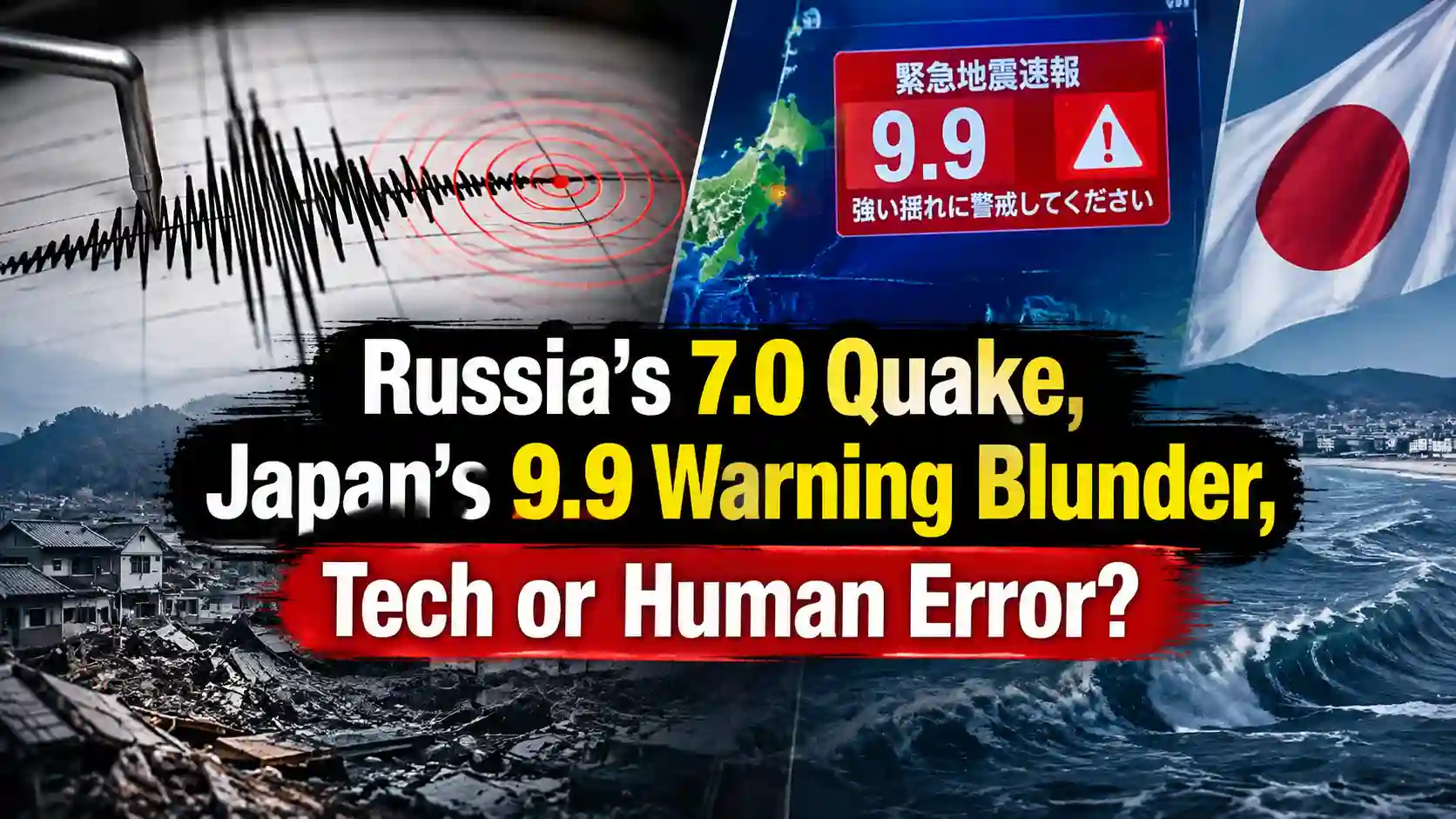
Millions of mobile phones across northern and central Japan flashed with terrifying emergency alerts warning of a catastrophic magnitude 9.9 earthquake, plunging parts of the country into sudden panic before officials rushed to cancel the bulletin minutes later. The false alarm, which projected severe shaking from Hokkaido down to the Tokyo region and the Izu Islands, was triggered by automated systems that drastically miscalculated signal data from a genuine seismic event originating near Russia's Kamchatka Peninsula.
According to BNO News, the erroneous emergency earthquake bulletin was dispatched at approximately 12:36 p.m. Local time on Friday, and was officially canceled at 12:48 p.m. Chosunbiz reported that the alert prompted widespread confusion as emergency klaxons wailed simultaneously across eastern Japan, overwhelming online platforms such as X and Yahoo search services due to a sudden surge in terrified internet users. Despite the extensive warning zone spanning Hokkaido, Tohoku, Kanto, Hokuriku, Tokai, and the Izu Islands, India Today noted that actual shaking inside Japan was virtually imperceptible, limited to a maximum seismic intensity of 1 in Hakodate.
Media additions
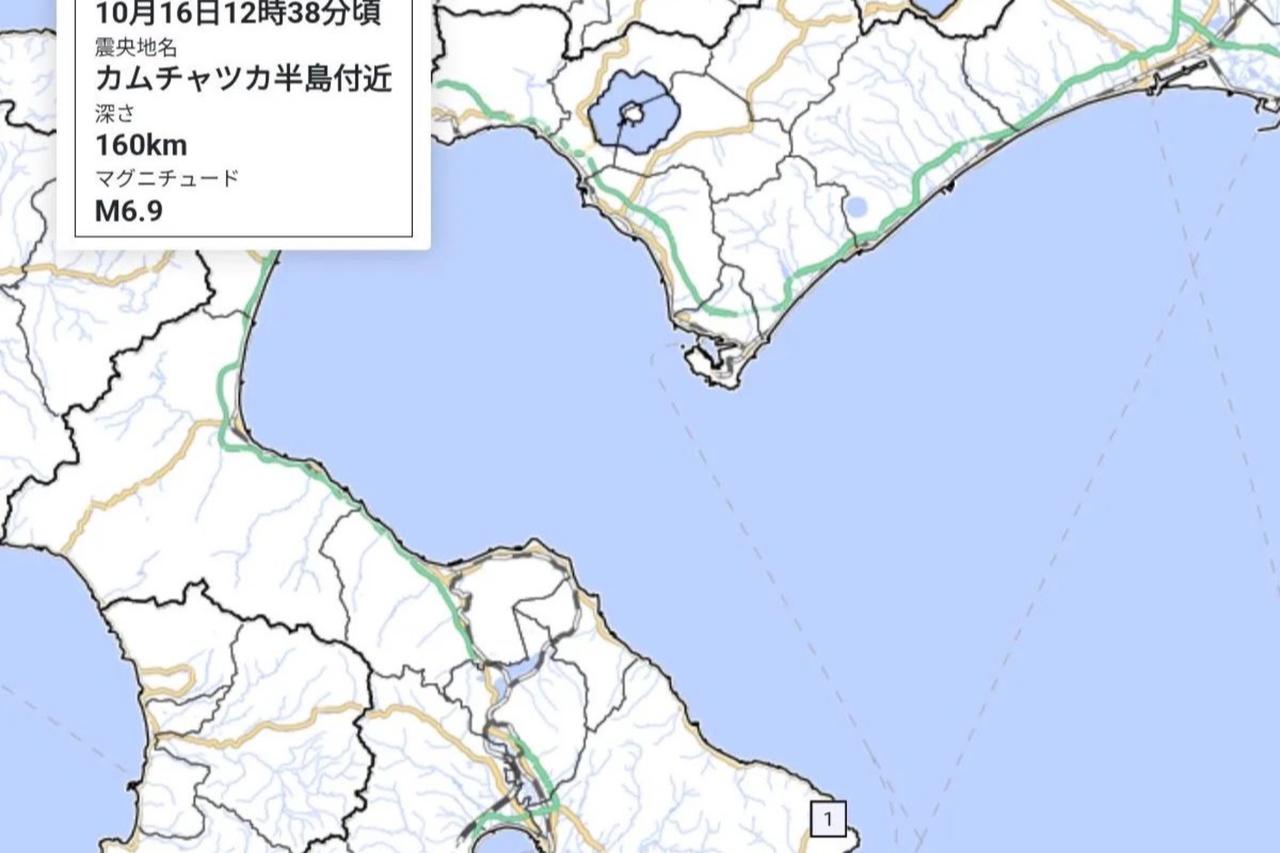
The root cause of the blunder traced back to a subterranean tremor in Russia's Far East. According to the NewsCord network and monitoring organizations, the real seismic event struck at an intermediate depth along the Pacific Ring of Fire. Agencies varied slightly in their initial physical measurements of the Russian tremor, reflecting different regional monitoring network calculations:
| Monitoring Agency | Recorded Magnitude | Epicenter Location | Depth |
|---|---|---|---|
| U.S. Geological Survey (USGS) | 6.9 | 76 km northeast of Ozernovskiy, Russia | 143.2 km (89 miles) |
| European-Mediterranean Seismological Centre (EMSC) | 7.0 | 123 km southwest of Vilyuchinsk, Russia | 140 km (86.99 miles) |
| Unified Geophysical Service (Russian Academy of Sciences) | 6.9 | 161 km from Petropavlovsk-Kamchatsky | 127.8 to 138 km |
As Jagran Josh detailed, automated software miscalculated the strength of incoming wave signals during the critical initial seconds of detection, mistakenly fixing the epicenter in the Kuril Islands region and inflating the projected magnitude to an apocalyptic 9.9. Human forecasters intervened quickly, reviewing live telemetry to rescind the bulletin just eight minutes after it went live.
During an afternoon press conference reported by Turkiye Today and Chosunbiz, agency officials formally apologized for the false alarm. Ebita Ayataka, head of the agency's Earthquake and Tsunami Monitoring Division, addressed security concerns directly when questioned by reporters, confirming that systems staff found no evidence of a cyberattack. Officials emphasized that a comprehensive technical probe remains underway to uncover exactly why the automated algorithm overestimated the data so severely.
Had a magnitude 9.9 earthquake actually occurred, it would have rewritten the history of seismology. According to data compiled from BNO News and SuaraGarut.ID, such a megaquake would comfortably surpass the historical benchmark set by the magnitude 9.5 earthquake that struck Chile in 1960, which remains the largest instrumentally recorded tremor in human history. Because the logarithmic Richter scale dictates that each full integer jump multiplies energy release by roughly thirty-two, experts calculated that a magnitude 9.9 event would have unleashed approximately 32,000 times more energy than the actual 6.9 tremor that rattled Kamchatka.
International authorities quickly confirmed that the regional seismic activity posed no broader hazard. As noted by Northeast Live TV and NewsCord, the U.S. National Tsunami Warning Center, the Pacific Tsunami Warning Center, and the Japan Meteorological Agency all verified that no tsunami warnings were warranted given the deep subterranean nature of the Kamchatka hypocenter. The event arrived on the heels of other major tectonic stirs across the Pacific basin, including a powerful magnitude 7.7 earthquake that struck Panama, focusing renewed global attention on the volatile mechanics of the Pacific Ring of Fire as detailed in The Daily Jagran's regional coverage.
Meanwhile, investigative bodies inside Japan will continue auditing software logs and automated sensor networks to ensure future early-warning broadcasts avoid similar miscalculations.
How significant is this development?
Contribute your assessment to the aggregated reader sentiment ledger.
Frequently Asked Questions
Key questions answered in this reportWhat is the key development in: Japan mistakenly issues warning for magnitude 9.9 earthquake?
Millions of mobile phones across Japan flashed with emergency alerts for a catastrophic magnitude 9.9 earthquake due to an automated software miscalculation.
Why is this World development significant for the UK?
This report covers critical events in our World beat. Independent reporting monitors related UK statements, regulatory shifts, and public responses as further verified details emerge.
How was this reporting corroborated and verified?
Newsarchy UK compiles and cross-references reporting from primary reporting from bnonews.com and cross-checked wire reports. All coverage adheres to published editorial standards.
When was this report published?
This briefing was published on October 16, 2026 and is permanently cataloged in the Newsarchy UK World archives.