NATO scrambles jets in Poland and Romania as Russian strikes hit Ukraine
NATO scrambled military aircraft in Poland and Romania following a massive wave of Russian drone and missile strikes targeting Ukraine.
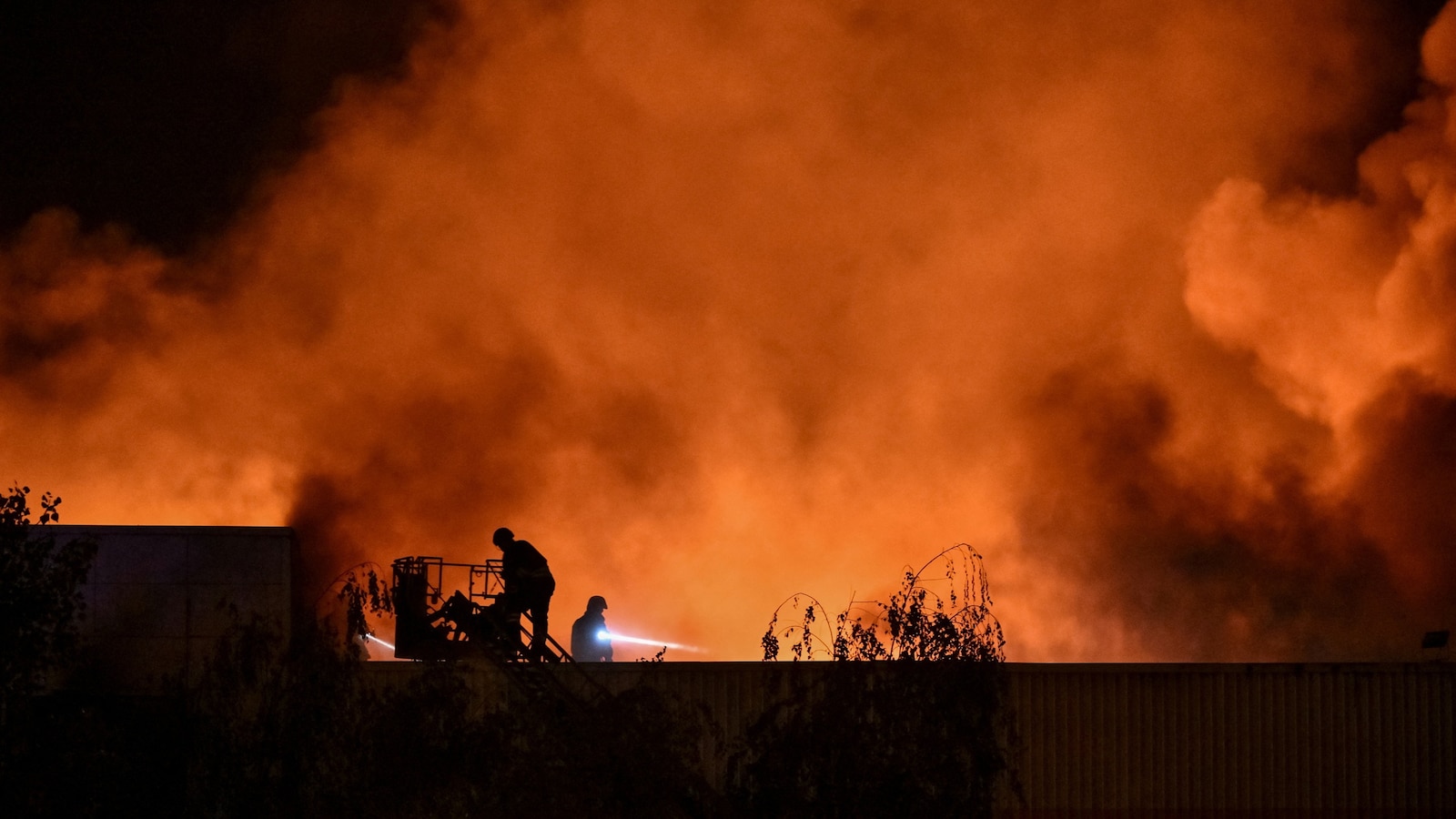
NATO military aircraft were scrambled across eastern Europe as a massive wave of Russian drone and missile strikes hit Ukraine. The coordinated air assaults targeted energy and military-industrial facilities, blanketing the capital in thick smoke and triggering immediate defensive postures from neighboring allied nations.
The aerial bombardments pushed regional tensions to a new high, directly impacting civilian infrastructure and aviation safety. According to ABC News, Polish Armed Forces Operational Command deployed fighter jets to ensure safety as Russian unmanned aerial vehicles targeted western Ukraine. Similar defensive measures unfolded in Romania, where the Defense Ministry confirmed that F-16 fighter jets were scrambled to respond to aerial activity near the border. Spectrum News noted that Polish airspace precautions included the temporary closure of Rzeszów and Lublin airports by the Polish Air Navigation Services Agency to facilitate military operations.
Media additions
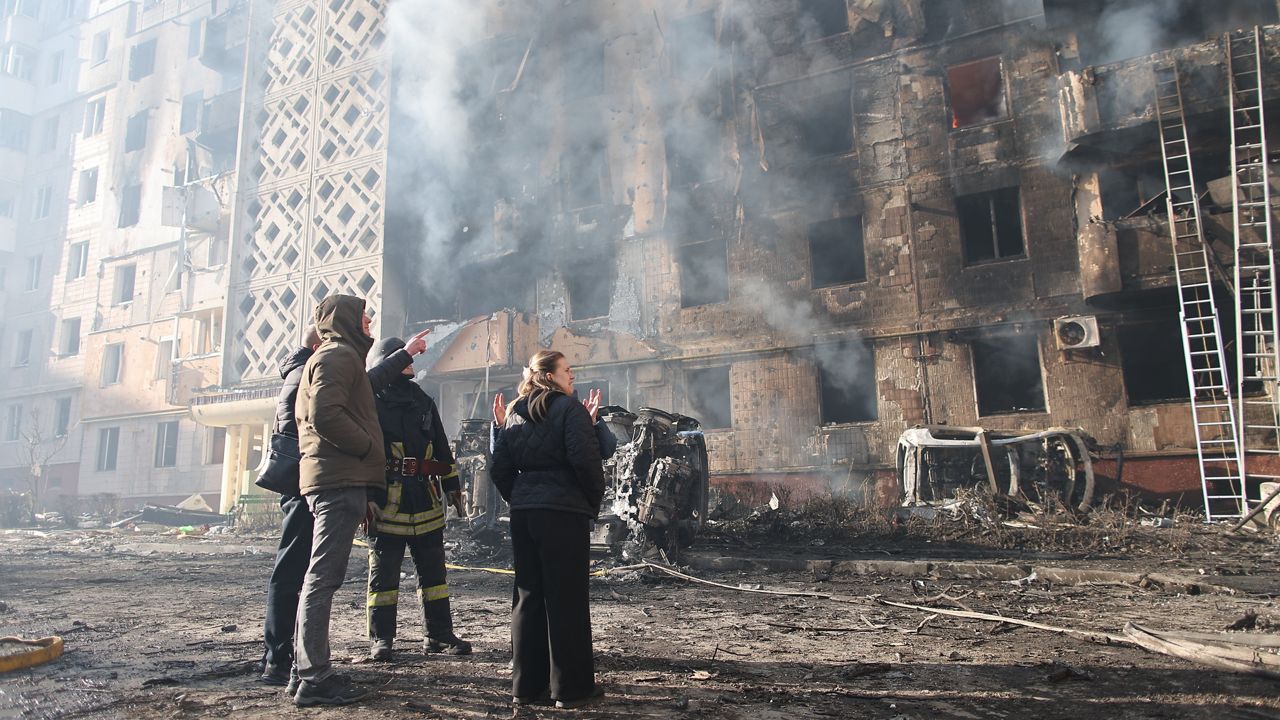
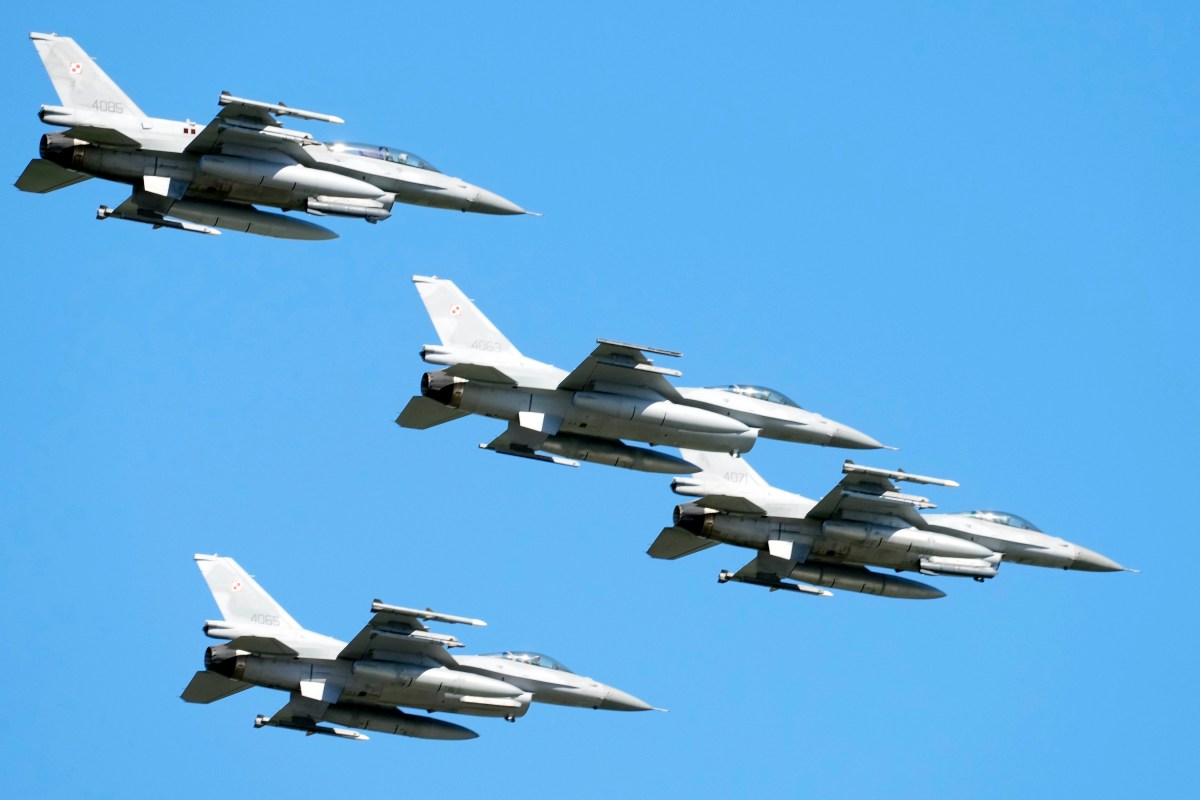

The scale of the bombardment was immense. BBC reporting indicated that the aerial assault lasted more than 12 hours, involving hundreds of drones and numerous missiles aimed across multiple Ukrainian regions. Ukrainian President Volodymyr Zelenskyy condemned the strikes as a vile attempt by Moscow to continue fighting and killing. Local authorities in Kyiv and surrounding regions reported severe damage to residential buildings, healthcare facilities, and energy infrastructure, leaving entire neighborhoods grappling with power outages and emergency repairs.
| Country / Agency | Action Taken | Trigger / Incident Context |
|---|---|---|
| Poland | Scrambled fighter jets, closed regional airports, raised ground-based air defense readiness | Russian jet-powered UAV and cruise missile strikes targeting western Ukraine |
| Romania | Scrambled F-16 fighter jets | Aerial targets maneuvering near the border region of Valkove and Tulcea |
| Germany | Maintained air policing rotation; confirmed aircraft status via military spokespersons | Preventive regional posture alongside NATO allies |
As Newsweek detailed, Poland placed its ground-based air defenses and radar reconnaissance systems on the highest state of readiness to protect alliance borders. While these preventive scrambles have become an increasingly common feature of the conflict, the recurring proximity of hostile munitions to NATO territory continues to test regional stability. The Guardian reported on related airspace violations and crater discoveries in eastern Poland from suspected cruise missiles, drawing sharp rebukes from European leadership regarding the broader security threat to the continent.
Diplomatic fallout was swift as allied leaders weighed further responses. According to CBC, international partners continue to monitor supply chain strains and energy market fluctuations resulting from targeted refinery attacks and export bans. Meanwhile, DW.com reported that Polish officials called for emergency security consultations and strengthened air defense collaboration across European capitals to establish an effective protective shield.
NATO’s supreme allied commander for Europe, Gen. Alexus Grynkewich, stated that NATO will continue to take all necessary measures to defend NATO territory, as reported by The Guardian. Concurrently, regional transport authorities will evaluate civilian flight path safety over eastern Poland and Romania as air defense commands maintain elevated surveillance states.
What happens next depends heavily on upcoming diplomatic milestones and scheduled security summits. Allied defense ministers are expected to review eastern flank readiness protocols in the coming days, while European Union officials debate further restrictive measures on Russian energy exports. Concurrently, regional transport authorities will evaluate civilian flight path safety over eastern Poland and Romania as air defense commands maintain elevated surveillance states.