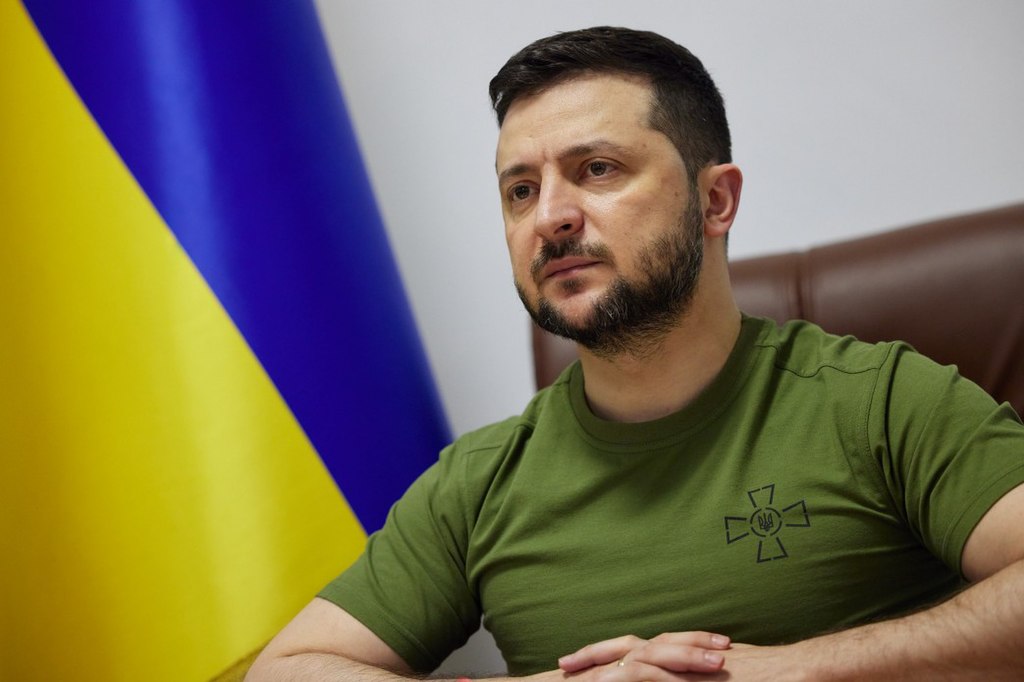
From Collection to Decision: Reimagining Tactical Intelligence
Ubiquitous drone surveillance and battlefield management systems like DELTA are forcing military planners to transition toward real-time, network-centric targeting ecosystems.
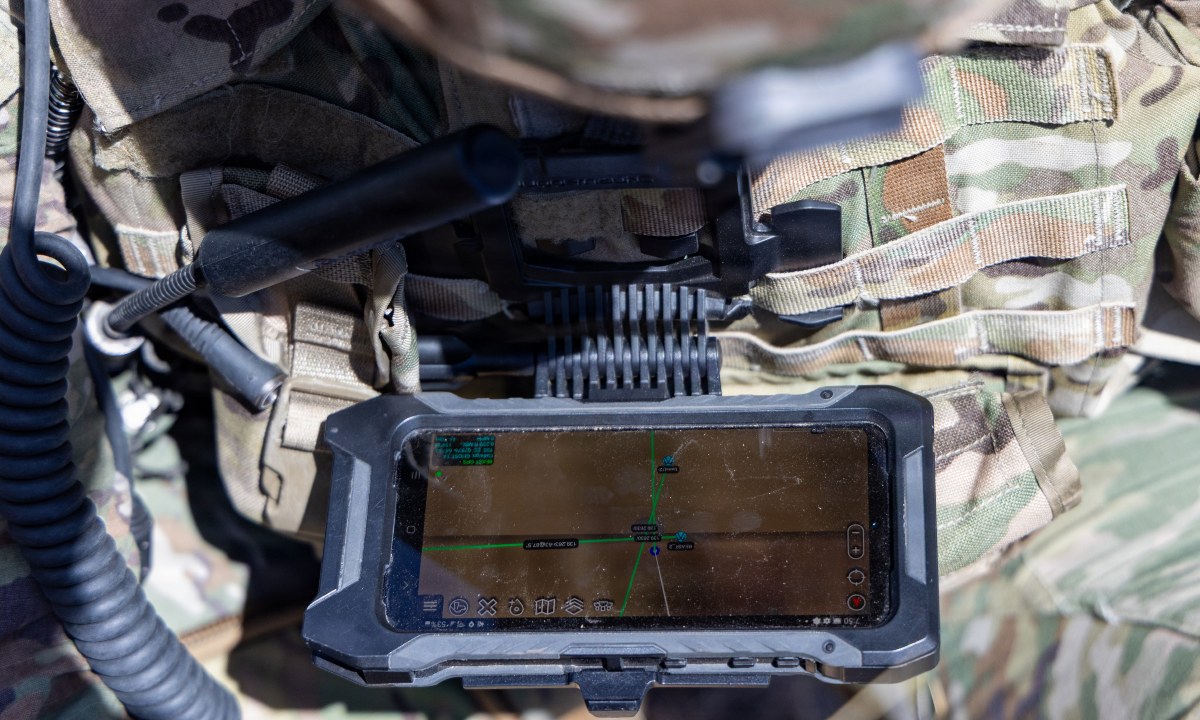
- Core Development: Ubiquitous drone surveillance and battlefield management systems like DELTA are forcing military planners to transition toward real-time, network-centric targeting ecosystems.
- Beat Context: Categorized under Transport with independent corroboration.
- Reporting Depth: 3 minute analytical read synthesized from verified newsroom sources.
Rapid technological shifts and ubiquitous sensor networks are fundamentally reshaping tactical intelligence, forcing military planners to transition away from traditional, sequential reporting models toward real-time, network-centric targeting ecosystems.
Four years into the conflict in Ukraine, unmanned aerial vehicles account for a vast majority of frontline casualties, yet drones alone do not generate combat power according to the Modern War Institute -. The true driver of operational success lies in the simultaneous evolution of tactical intelligence, which moves through validation, curation, and decision advantage faster than adversaries can react. In the unmanned contact layer stretching across contested territories, continuous visual feeds combine with satellite imagery, open-source intelligence, and human observation to produce an overwhelming volume of data. Because targets remain exposed for only brief windows behind active countermeasures, electronic jamming, and thermal concealment, intelligence units must cut through the noise to deliver actionable insights before their operational utility expires.
Media additions
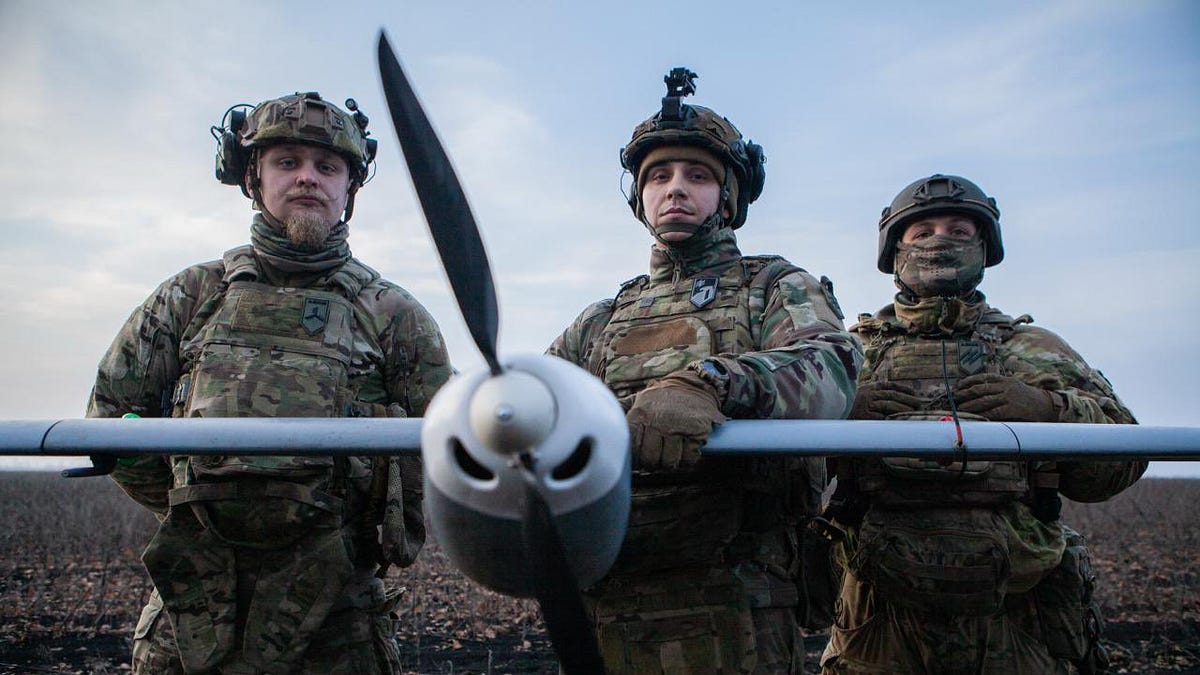

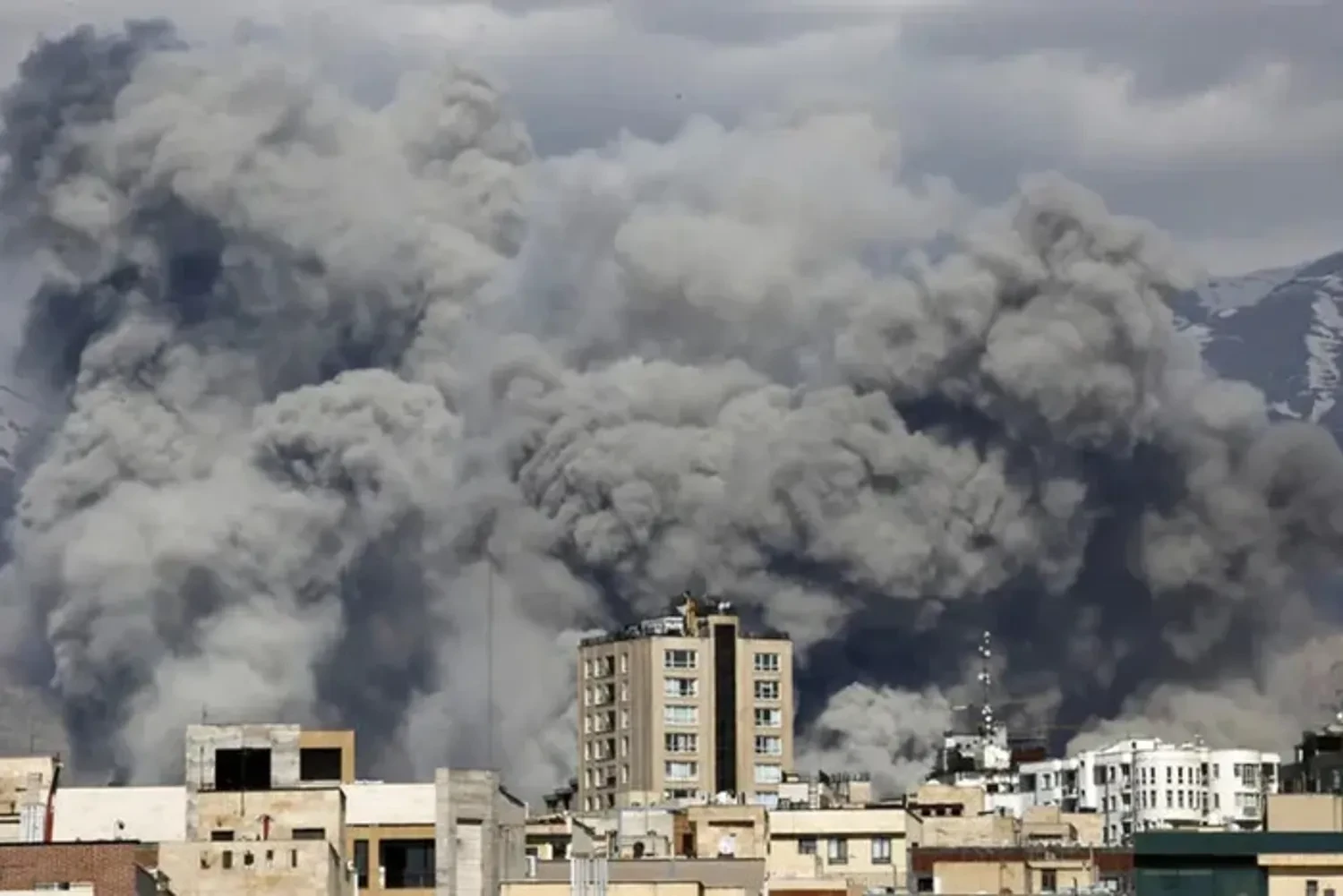
Ukraine has successfully operationalized this network-centric model by leveraging DELTA, an interactive battlefield management platform that allows troops to continuously update and view friendly and enemy dispositions, target locations, and infrastructure according to the Modern War Institute. Rather than routing information through cumbersome, sequential staff hierarchies, this shared targeting ecosystem democratizes awareness so that drone operators and maneuver captains can act immediately. Intelligence personnel have shifted away from routine reporting tasks, focusing instead on highlighting critical threats, analyzing operational patterns, and curating the common operational picture.
The philosophical divide surrounding these grassroots innovations was highlighted when Ukraine's Arms Monitor reported remarks from Rheinmetall CEO Armin Papperger, who downplayed Ukrainian drone manufacturing as kitchen-level three-dimensional printing rather than advanced corporate technology. Ukrainian aerial reconnaissance specialists and industry leaders pushed back against this assessment. Yaroslav Kalinin, CEO of the Infozahyst Research and Production Center, argued that Western defense firms routinely refused to supply necessary components before and during the conflict, forcing Ukrainian engineers to build custom chips and metamaterials out of sheer necessity. Kalinin emphasized that destroying a multi-million-dollar tank with an inexpensive first-person view drone represents a standard of effectiveness that transcends traditional corporate metrics.
Complementing these tactical adaptations, Royal United Services Institute research notes that high-performing Ukrainian units have restructured their approach to combined arms manoeuvre. However, military analysts point out that broader Western forces still struggle with overclassification, legacy stovepipes, and institutional biases that hinder rapid information sharing.
| Metric / Operational Area | Reported Figure / Estimate | Context & Source Attribution |
|---|---|---|
| Ukrainian Interceptor Production | Approx. 5,000 units per month | Produced across domestic manufacturing facilities according to Ukraine's Arms Monitor. |
| Russian Oil Export Capacity Impact | At least 40% halted or disrupted | Calculated via Reuters following drone strikes and seizures according to Ukraine's Arms Monitor. |
As military forces prepare for future large-scale combat operations, the lessons from ongoing conflicts point toward necessary structural reforms. Integrating advanced cloud platforms, artificial intelligence tools like the Maven Smart System, and streamlined information-sharing architectures will remain vital for maintaining a decision advantage.
What to Watch Next
- Pending decisions by international defense manufacturers regarding the construction and operational timelines of munitions and manufacturing plants in Eastern Europe.
- Future policy adjustments by Western military commands regarding the integration of open-source intelligence and tiered permission networks.
- Ongoing tactical adaptations in counter-drone interceptor deployment and the scaling of automated battlefield management platforms across allied echelons.
How significant is this development?
Contribute your assessment to the aggregated reader sentiment ledger.
Frequently Asked Questions
Key questions answered in this reportWhat is the key development in: From Collection to Decision: Reimagining Tactical Intelligence?
Ubiquitous drone surveillance and battlefield management systems like DELTA are forcing military planners to transition toward real-time, network-centric targeting ecosystems.
Why is this Transport development significant for the UK?
This report covers critical events in our Transport beat. Independent reporting monitors related UK statements, regulatory shifts, and public responses as further verified details emerge.
How was this reporting corroborated and verified?
Newsarchy UK compiles and cross-references reporting from primary reporting from Modern War Institute - and cross-checked wire reports. All coverage adheres to published editorial standards.
When was this report published?
This briefing was published on September 23, 2026 and is permanently cataloged in the Newsarchy UK Transport archives.