RMT announces eight 24-hour London Underground strikes over working conditions
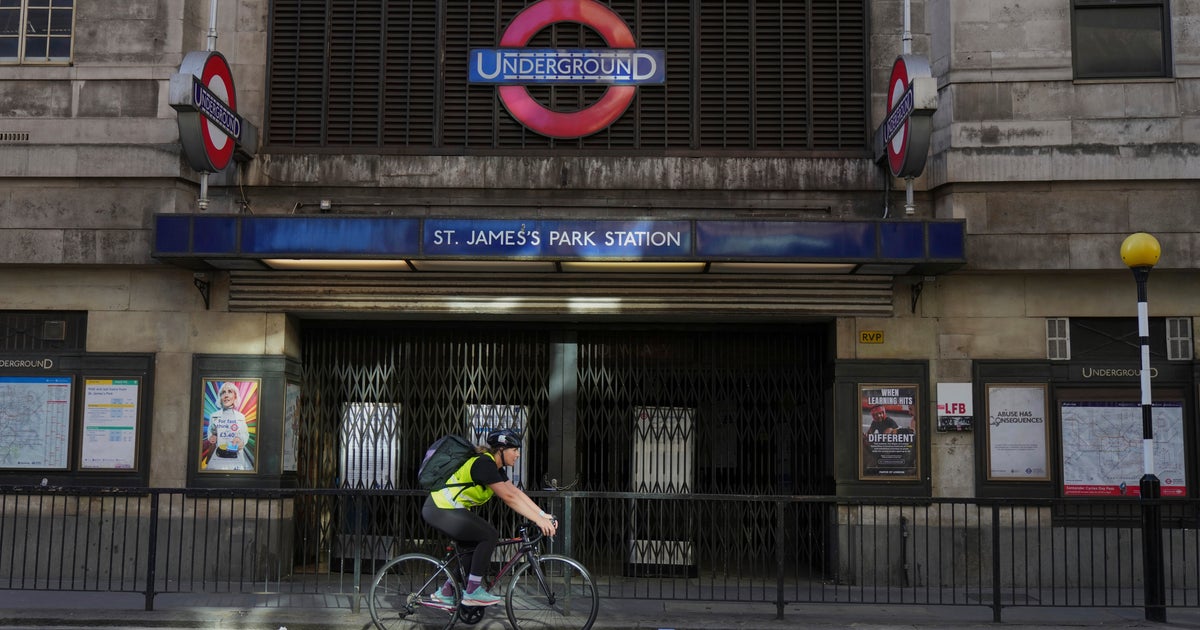
London Underground drivers will stage eight separate 24-hour walkouts after negotiations broke down, threatening widespread travel chaos during the winter holiday season.

London Underground drivers will stage eight separate 24-hour walkouts over the coming months after negotiations broke down, threatening widespread travel chaos during the peak winter holiday season and early next year.
The industrial action, announced by the Rail, Maritime and Transport (RMT) union, centers on a long-running dispute over working arrangements and proposed reforms by Transport for London (TfL), according to comprehensive reports from Travelling for Business and Rus Tourism News. Each strike is scheduled to begin at midday and run for 24 hours, meaning that disruption will inevitably spill over into the morning commutes following each walkout date. The RMT published these dates following a statement issued on 6 November 2026, as noted by Pixidia, continuing a dispute that has persisted through much of 2026 after previous strike announcements, suspensions, and negotiations failed to deliver a lasting agreement.
Media additions



The core of the dispute revolves around TfL's proposals to introduce a compressed working model, which management characterizes as a voluntary four-day working week alongside a Trains Modernisation Framework. According to TfL, participating drivers would see their contractual work week reduced from 36 hours to 35 hours through the introduction of paid meal breaks, meaning they would work fewer overall hours each week while retaining the option to remain on a traditional five-day schedule without detriment. Nick Dent, director of customer operations for London Underground, stated via the BBC that the scheme offers colleagues a meaningful choice for a more efficient and reliable network. TfL further stated that drivers choosing to remain on a five-day week would be given a guarantee of remaining at the same depot.
The RMT union fiercely rejects these assurances. RMT general secretary Eddie Dempsey described the proposals as a wholesale attack on drivers' conditions, warning that members are being pressured to spend more time actively driving trains, accept longer and less predictable shifts, and surrender hard-fought workplace protections. The union further contends that the changes will pave the way for hundreds of job cuts and changes to depot assignments.
"London Underground is attempting to dress up a wholesale attack on drivers’ working conditions as a voluntary four-day week. Our members are being asked to spend more time driving trains, accept longer and more unpredictable shifts and surrender agreements that have been negotiated and defended over many years."
Eddie Dempsey, RMT general secretary, via BBC
Not all rail unions share the RMT's stance. The ASLEF union, which represents many other drivers on the network, expressed surprise at the action. Finn Brennan, ASLEF's full-time organiser on London Underground, stated via the BBC that the voluntary four-day week gives Tube train drivers an extra 35 days off every year with rosters based on a 34-hour week in return for some changes to working conditions and moving to electronic systems for booking on for duty.
The scheduled walkouts are poised to hit the capital at critical junctures, particularly during the busy Christmas shopping period and into the new year. Business groups such as BusinessLDN have warned that the industrial action will severely impact the local hospitality sector and visitors relying on the network.
| Month | Strike Dates (Midday to Midday) |
|---|---|
| November 2026 | Thursday, 26 November – Friday, 27 November |
| December 2026 | Thursday, 17 December – Friday, 18 DecemberSaturday, 19 December – Sunday, 20 December |
| January 2027 | Monday, 4 January – Tuesday, 5 JanuaryWednesday, 6 January – Thursday, 7 January |
| February 2027 | Wednesday, 17 February – Thursday, 18 FebruaryTuesday, 23 February – Wednesday, 24 FebruaryThursday, 25 February – Friday, 26 February |
Alternative routes such as the Elizabeth line and the Heathrow Express are expected to remain operational during the RMT strikes, though they are anticipated to face heavy crowding as displaced passengers seek alternative transit. Passengers are advised to treat these dates as periods of potential disruption rather than assume every Underground line will be completely closed.
What happens next
- The first 24-hour strike is scheduled to commence at midday on 26 November 2026.
- Further talks between the RMT union and TfL management remain possible, which could lead to the suspension or cancellation of individual walkout dates if a last-minute compromise is reached.
- Passengers travelling through the winter and early spring are advised to check local transport status feeds the day before any planned journey.