RMT union announces eight Tube strikes over four-day working week dispute
London Underground faces severe disruption as the RMT union announces eight 24-hour walkouts amid an escalating dispute over a four-day working week proposal.
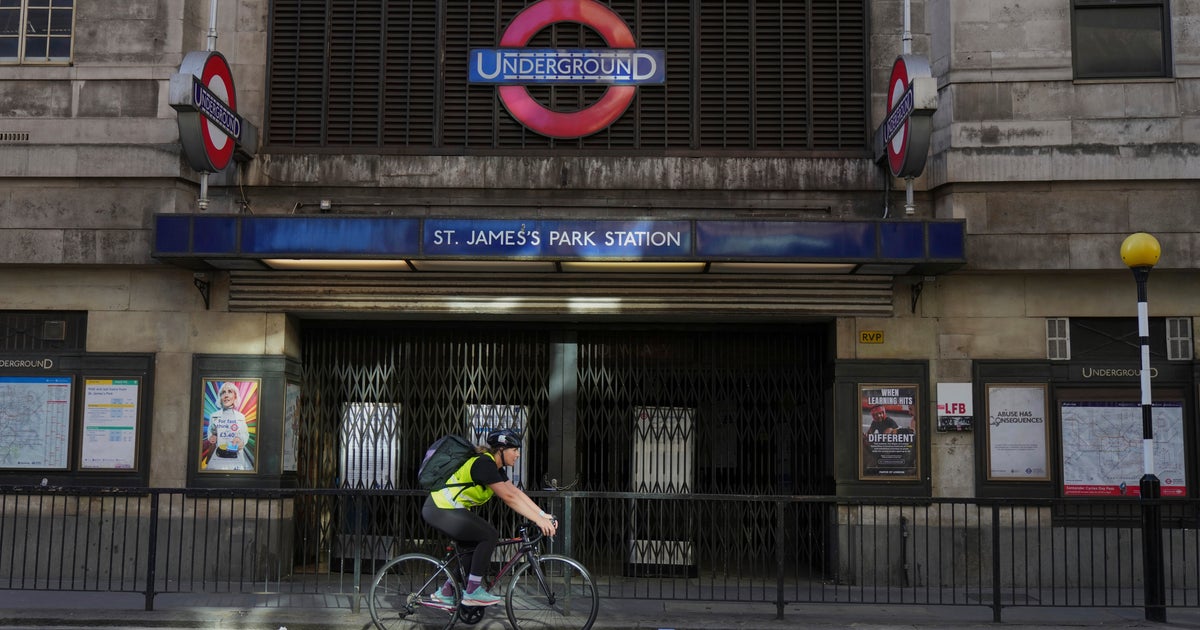
London Underground services face severe disruption as the Rail, Maritime and Transport union announced a series of walkouts over a contentious four-day working week proposal, threatening widespread travel chaos across the capital.
The industrial action follows a long-running dispute between the RMT and Transport for London over working hours and conditions. According to the London Evening Standard, the union is staging eight 24-hour walkouts. HuffPost UK reports that the first walkout is scheduled to begin, bringing renewed friction to the transport network after previous industrial action earlier in the year.
Media additions


At the heart of the dispute is TfL's proposal to compress the working week. The BBC notes that TfL wants to reduce The Standard working week from 36 hours to 35 hours by introducing paid meal breaks, effectively meaning drivers would work fewer days with longer shifts. TfL maintains that the arrangement is entirely voluntary, offering participating staff more time away from work.
The RMT strongly rejects this framing. RMT general secretary Eddie Dempsey argued that the scheme forces drivers to surrender existing protections and accept longer, more unpredictable shifts. As reported by the London Evening Standard, Dempsey stated that London Underground is attempting to disguise a wholesale attack on working conditions as a voluntary setup. The union counters with a demand for a 32-hour week over four days without lengthened daily shifts, citing severe concerns over driver fatigue and passenger safety.
Divisions among rail unions have deepened the conflict. The rival Aslef union, which also represents Tube drivers, has accepted TfL's proposal. Aslef full-time organiser Finn Brennan expressed surprise at the RMT's stance, calling it a strike designed to prevent people from having the choice of a shorter working week. According to BBC reporting, more than half of Tube drivers turned up to work during previous industrial action after accepting the deal.
| Union / Body | Stance on Four-Day Week | Proposed Working Hours |
|---|---|---|
| Transport for London (TfL) | Voluntary implementation | 35 hours across four days (with paid meal breaks) |
| Aslef | Accepted the deal | 35 hours across four days (extra 35 days off) |
| RMT | Rejected the proposal | 32 hours across four days |
Political figures and business leaders have weighed in sharply on the standoff. Shadow Transport Secretary Richard Holden criticized the RMT leadership's motives, while BusinessLDN transport programme director Ed Richardson warned that the action would dampen festive cheer for residents and visitors alike, according to the London Evening Standard.
Beyond the Tube network, passengers face overlapping disruption from engineering works. HuffPost UK notes that Paddington station will close for railway upgrades, halting Elizabeth line and Heathrow Express services west of the station, while National Rail routes into Waterloo and Southeastern services will also be curtailed by track renewals.
Key Impact Dates and Events
- Festive Shopping: Walkouts threaten 'Super Saturday', traditionally the busiest shopping day before Christmas.
- Sporting Fixtures: Matches involving Brentford, Newcastle United, Fulham, Tottenham, Chelsea, and Crystal Palace face severe transit hurdles.
- Return to Work: Planned strikes coincide with the first working day of the New Year, compounding commuter misery.
Commuters seeking alternative options during previous strikes turned heavily to cycling, bus networks, and river services, though road congestion spiked significantly. Further details on specific line suspensions and amended timetables are expected to be published closer to each walkout date, as detailed by The Standard.
As previous negotiations demonstrate, talks have repeatedly teetered between breakdown and sudden reprieve. Earlier actions saw scheduled walkouts suspended at the eleventh hour following breakthroughs in discussions, while other disputes required direct financial intervention from the mayor of London to avert shutdowns. With positions remaining entrenched over the structure of the compressed working week and the exact duration of daily shifts, the path forward relies entirely on whether TfL and the RMT can bridge their fundamental differences before the upcoming strike dates arrive.