UK inflation hits 1-year high of 3.6% on surging fuel costs
UK inflation rose to 3.6% in the 12 months to October 2026, marking its highest level in a year as surging motor fuel costs squeezed household finances.

UK inflation rose to 3.6% in the 12 months to October 2026, marking its highest level in a year as surging motor fuel costs continued to squeeze household finances. According to figures published by the Office for National Statistics on Wednesday, 18 November 2026, the Consumer Prices Index ticked up from 3.5% in September. The reading matched the median forecast of economists polled by Reuters, though it remained below the 3.7% projection previously issued by the Bank of England.
Transport costs emerged as the primary driver of the upward pressure. The annual transport rate climbed to 7.5% in October from 6.6% in the previous month. Motor fuel prices jumped 33.2% compared with the same period a year earlier, representing the largest one-year rise in motor fuel prices since July 2022. Grant Fitzner, chief economist at the ONS, noted that fuel prices were once again a major contributor to the increase, pointing out that annual costs for both raw materials and factory-gate goods continue to climb on the back of higher crude oil and petrol prices.
Media additions


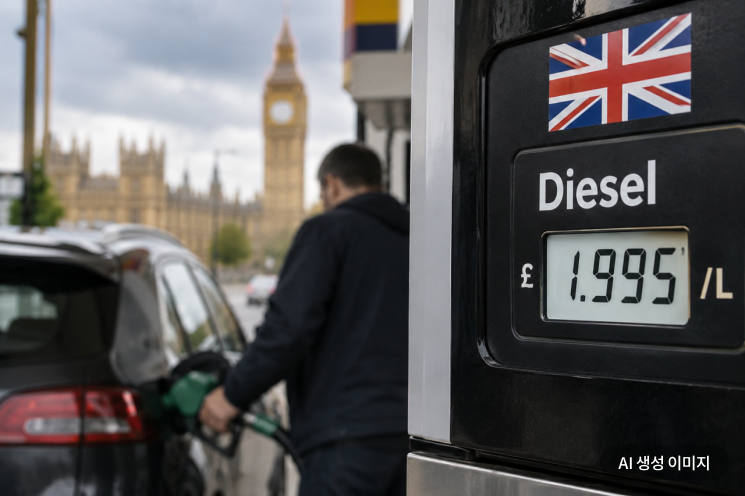
Individual fuel categories reached unprecedented milestones during October 2026. Diesel prices averaged 199.5 pence per litre, marking the highest level since ONS records began in January 1996. Petrol prices averaged 174.7 pence per litre, representing the highest average since August 2022, after rising by 5.2 pence per litre between September and October. The surge in energy costs has been heavily influenced by ongoing conflicts, including trade disruptions through the Strait of Hormuz driven by the war involving the United States and Iran, which has kept global energy markets volatile.
| Consumer Price Measure | September Rate | October Rate |
|---|---|---|
| CPI | 3.5% | 3.6% |
| CPIH | 3.6% | 3.7% |
| Core CPI | 2.8% | 2.8% |
| Services CPI | 3.7% | 3.7% |
| Goods CPI | 3.2% | 3.5% |
| Transport | 6.6% | 7.5% |
Not all sectors contributed equally to the upward trend. Food and non-alcoholic drink inflation eased to 0.9%, marking its slowest pace in five years. Restaurant and hotel prices offered some downward offset, while price inflation in cafes and restaurants slowed, and hotel prices fell on average. Meanwhile, alcohol and tobacco inflation jumped to 4.5% from 2.5%, influenced by a tobacco duty increase that took effect on 1 October 2026.
Political figures clashed over the underlying causes of the economic strain. Emma Reynolds, chief secretary to the Treasury, attributed the pressures to international events, stating that prices have risen globally because of the war in the Middle East and Russia's invasion of Ukraine. Reynolds highlighted government interventions, including zero-rating VAT on electricity bills until July and a planned £100 payment for twenty million homes in January. Shadow chancellor Andrew Griffith countered that the four successive rises in inflation were driven by soaring energy costs compounded by government tax and employment cost hikes.
Households are already feeling the pinch. Sophie, a Brighton cafe manager, told the BBC she monitors her home smart meter constantly and uses electric blankets instead of turning on the central heating.
The inflation data follows a decision by the Bank of England to raise its benchmark interest rate to 4% from 3.75% in early November 2026, marking its first hike in three years. Central bank officials warned that inflation could approach 5% by mid-2027, driven by energy shocks. In an adverse scenario where the conflict escalates further, policymakers suggested inflation could climb as high as 6.2%. Financial markets are currently pricing in an 80% probability that the Bank of England will enact another rate hike at its final meeting of the year, down slightly from prior expectations after core and services inflation held steady.
What happens next:
- Energy regulator Ofgem is scheduled to announce the new energy price cap on Wednesday, 25 November 2026.
- Researchers at Cornwall Insight forecast that annual gas and electricity bills will jump by £443 from January 2027.
- The Bank of England will hold its final monetary policy meeting of the year in December 2026 to determine whether to raise interest rates further.