Russia-Azerbaijan tensions escalate amid diplomatic fallout and attacks
Diplomatic relations between Russia and Azerbaijan have severely deteriorated following custodial deaths, targeted infrastructure attacks, and geopolitical competition.
- Core Development: Diplomatic relations between Russia and Azerbaijan have severely deteriorated following custodial deaths, targeted infrastructure attacks, and geopolitical competition.
- Beat Context: Categorized under Transport with independent corroboration.
- Reporting Depth: 4 minute analytical read synthesized from verified newsroom sources.
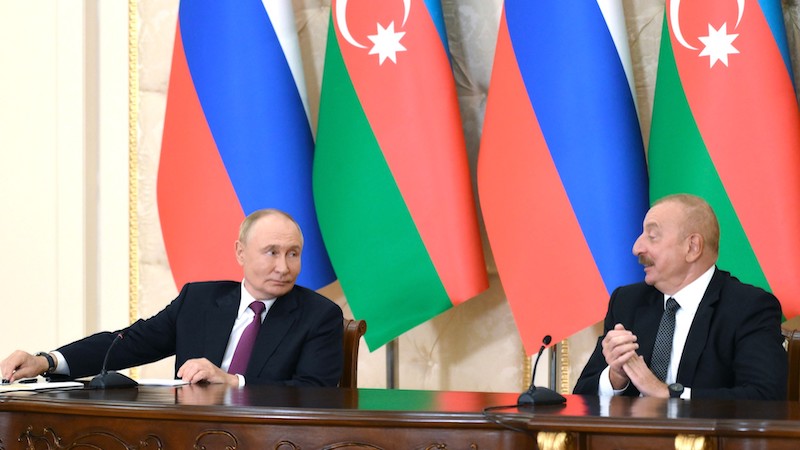
Tensions across the South Caucasus have reached an acute turning point as diplomatic fallout, targeted attacks, and geopolitical realignments reshape regional transport and energy networks. The deteriorating security environment highlights a widening breach between Moscow and Baku, leaving traditional spheres of influence fracturing amid intense international maneuvering. Observers note that the friction stems from a combination of custodial deaths, intelligence operations, and struggles over key trade routes, all occurring against the backdrop of broader conflicts in Europe and the Middle East.
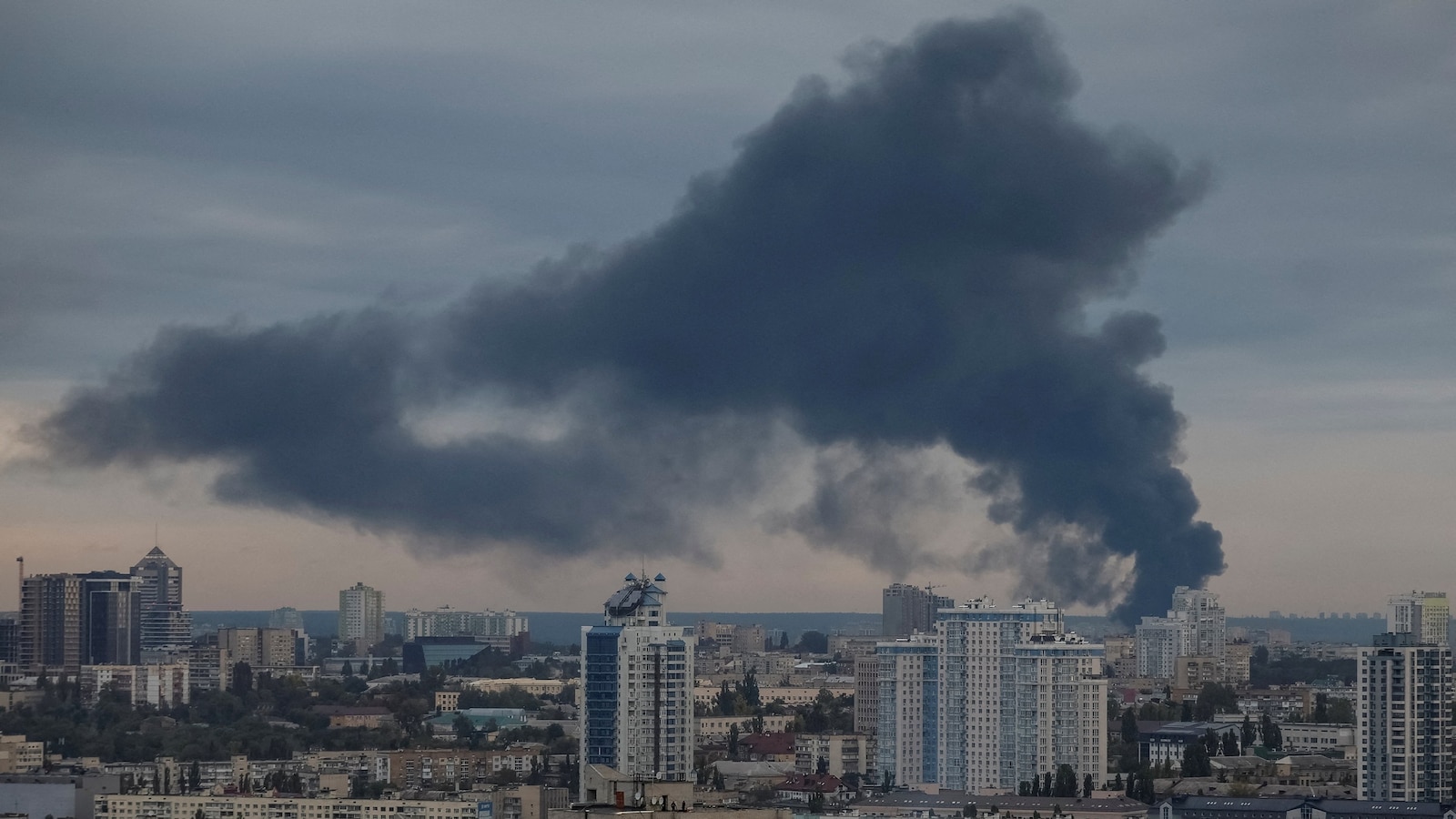
According to Eurasia Review, bilateral relations deteriorated after a Russian Federal Security Service raid in Yekaterinburg resulted in the deaths of two Azerbaijani brothers, Ziyaddin and Hüseyin Seferov, who were reportedly tortured to death. Azerbaijan responded by raiding the Sputnik office in Baku and detaining Russian citizens. Moscow retaliated by suspending cultural activities and summoning Baku's ambassador, prompting a reciprocal diplomatic note from the Azerbaijani Foreign Ministry. The crisis deepened further following explosions targeting facilities belonging to state-owned energy corporation SOCAR, as well as mysterious assassinations of retired military and intelligence figures linked to sensitive electronic warfare mapping in the Zangezur region.
Media additions
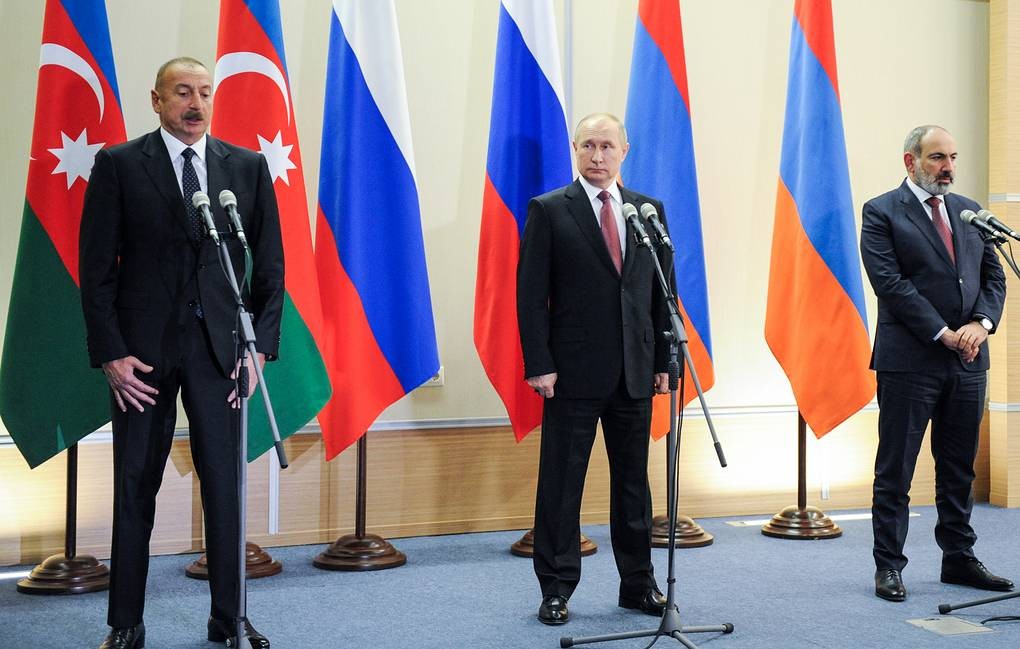

The geopolitical struggle is deeply intertwined with broader energy dynamics in the South Caucasus. As detailed in historical analysis by The Armenian Weekly, competition to control Caspian hydrocarbons dates back to the dissolution of the Soviet Union. The construction of the Baku-Tbilisi-Ceyhan oil pipeline and the Southern Gas Corridor has allowed Caspian energy to bypass Russian territory, directly challenging Moscow's pricing leverage in Europe.
| Pipeline / Project | Route / Terminus | Strategic Significance |
|---|---|---|
| Baku-Tbilisi-Ceyhan Pipeline | Azerbaijan through Georgia to Ceyhan, Turkey | Transports crude oil to the Mediterranean, bypassing Russia and enhancing Western energy security. |
| Southern Gas Corridor / TAP | Caspian sources via Turkey and Greece to Italy | Supplies natural gas to European markets to reduce reliance on Russian fossil fuels. |
| Zangezur Corridor Proposals | Connecting mainland Azerbaijan to Nakhchivan via southern Armenia | Disputed transit route involving regional sovereignty and potential third-party or Western management. |
As the diplomatic and security architecture of the South Caucasus undergoes rapid transformation, observers are closely monitoring several critical developments. Further negotiations between Armenian and Azerbaijani leadership are anticipated, alongside potential formal signings of pending peace frameworks. Policymakers will also track how international actors navigate security provisions along critical transit corridors, and whether covert intelligence operations give way to formalized bilateral accords or further regional escalation.
The wider geopolitical friction involves multiple external actors seeking to reshape regional dynamics. Historical rivalry between the British Empire and the Russian Empire over Central Asia set a precedent for modern energy competition, which intensified after the dissolution of the Soviet Union when Western powers sought access to Caspian oil and gas reserves. The establishment of projects like the Baku-Tbilisi-Ceyhan pipeline created alternative transit options that bypass Russian territory. According to reporting by The Armenian Weekly, United States involvement grew significantly after Heydar Aliyev assumed office, eventually leading to major investment agreements between the State Oil Company of the Azerbaijan Republic and foreign consortiums.
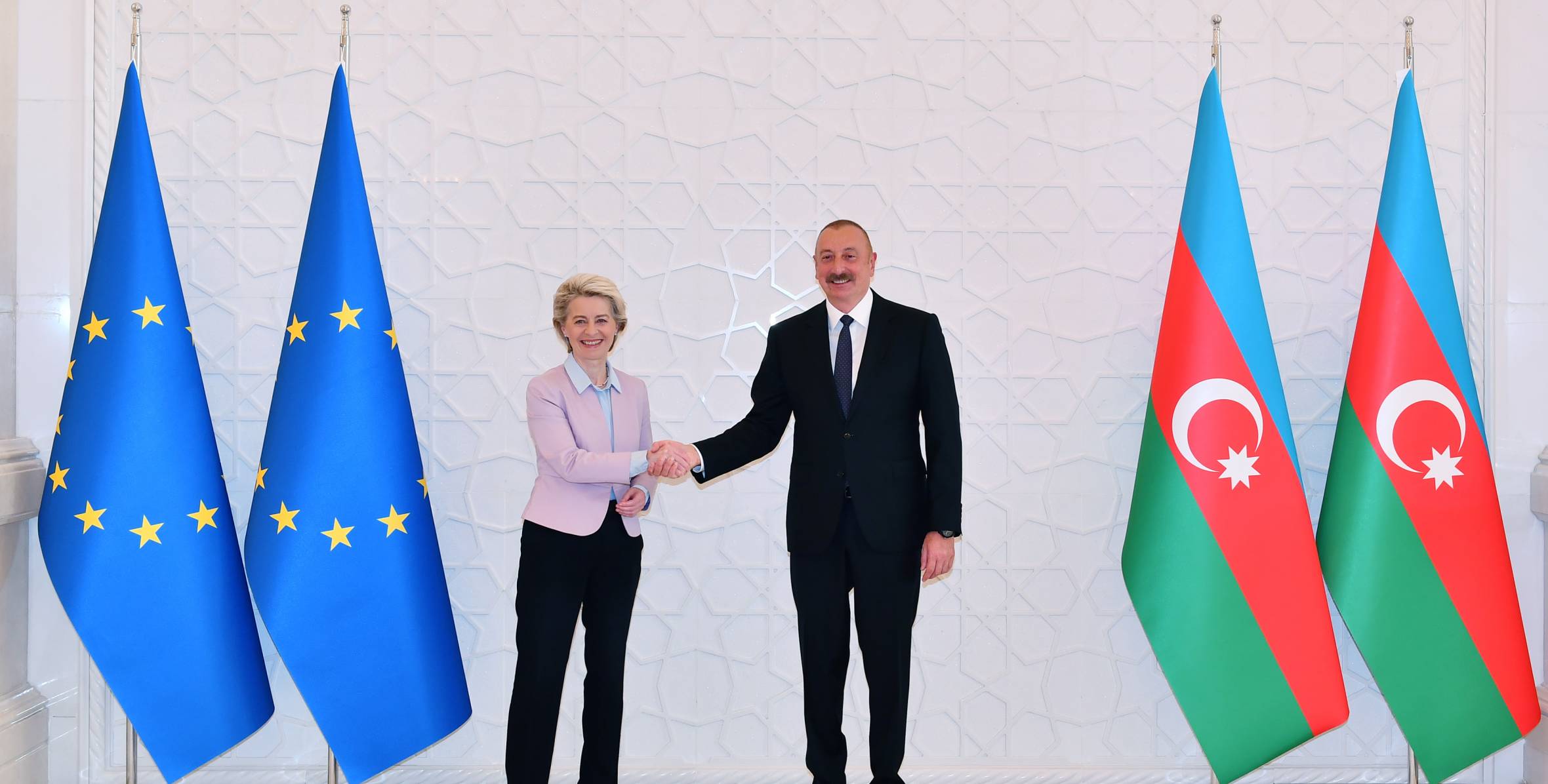
As detailed by Eurasia Review and The Armenian Weekly, energy infrastructure projects have repeatedly served as instruments of geopolitical leverage. While the European Union signed a memorandum of understanding to increase imports of Azerbaijani natural gas, energy experts noted structural limitations regarding immediate export capacity and domestic supply constraints. Simultaneously, Moscow has continued to pursue alternative pipeline strategies and currency arrangements with international partners to mitigate the impact of Western sanctions following the war in Ukraine.
Intelligence rivalries and covert operations have further poisoned diplomatic channels. Following the Yekaterinburg raid and subsequent detentions, reports emerged regarding high-profile deaths attributed by Azerbaijani sources to foreign mercenaries. These incidents coincided with broader regional realignments involving Turkey, Israel, and the United States.
As diplomatic channels remain active, upcoming negotiations will determine the final legal and security framework for the region. Stakeholders await the formal conclusion of pending peace accords between Armenia and Azerbaijan, alongside decisions regarding border delimitation and the oversight of vital transit corridors. Whether regional actors can successfully formalize long-term stability or succumb to renewed covert and overt escalation remains the central question for the South Caucasus.
How significant is this development?
Contribute your assessment to the aggregated reader sentiment ledger.
Frequently Asked Questions
Key questions answered in this reportWhat is the key development in: Russia-Azerbaijan tensions escalate amid diplomatic fallout and attacks?
Diplomatic relations between Russia and Azerbaijan have severely deteriorated following custodial deaths, targeted infrastructure attacks, and geopolitical competition.
Why is this Transport development significant for the UK?
This report covers critical events in our Transport beat. Independent reporting monitors related UK statements, regulatory shifts, and public responses as further verified details emerge.
How was this reporting corroborated and verified?
Newsarchy UK compiles and cross-references reporting from primary reporting from The Armenian Weekly and cross-checked wire reports. All coverage adheres to published editorial standards.
When was this report published?
This briefing was published on September 17, 2026 and is permanently cataloged in the Newsarchy UK Transport archives.