Germany issues travel advisory for Poland and Portugal amid border and weather disruptions
Germany has issued comprehensive travel advisories for Poland and Portugal amid severe weather, strict border controls, and regional demonstrations disrupting European transit.
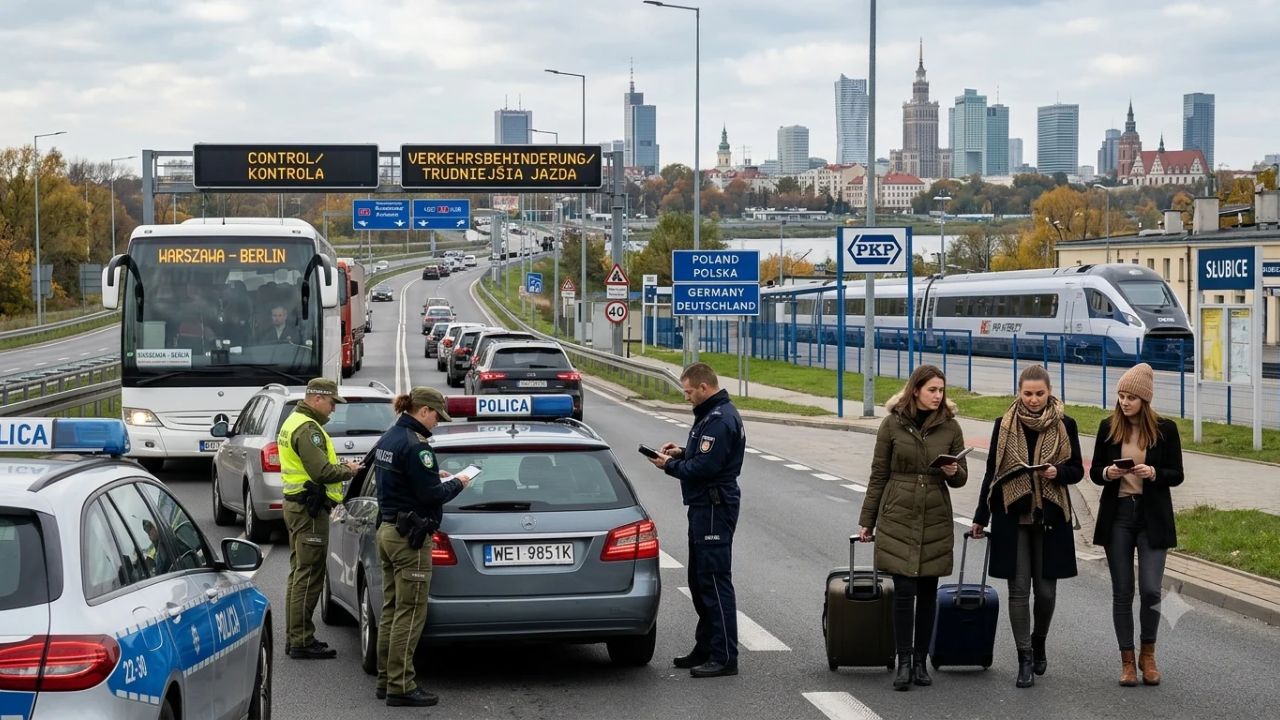
Germany issued a comprehensive travel advisory for Poland and Portugal on Wednesday, November 11, 2026, as simultaneous border controls, infrastructure laws, severe weather, and regional demonstrations disrupt European transit. At the same time, the UK's Foreign, Commonwealth and Development Office (FCDO) updated its own guidance to warn British travellers heading to Spain of widespread transport turmoil, compounding a tense travel landscape across the continent.
Central and Southern European Advisories
Berlin's Auswärtiges Amt released a dual-focused diplomatic bulletin warning commercial haulers, dual nationals, and holidaymakers that frictionless Schengen travel is temporarily superseded by systematic internal border controls and atmospheric crises. According to Nomadlawyer, Poland's dynamic enforcement along German and Lithuanian frontiers coincides with massive Independence Day demonstrations in Warsaw, strict bans on photographing critical infrastructure, and tight controls along external borders with Ukraine and Belarus. Concurrently, Portugal faces maximum red weather warnings that have paralyzed metropolitan transit and shuttered schools across Lisbon, alongside tourist property crime and post-Brexit UK airport transit complications.
Media additions


Poland's National Independence Day on Wednesday, November 11, 2026, commemorates the restoration of sovereignty in 1918 after partitions, triggering mass civilian marches. The Warsaw Public Transport Authority implemented sweeping detours across arterial boulevards such as Marszałkowska, Świętokrzyska, and Aleje Jerozolimskie. Meanwhile, systematic border controls maintained since July 2025 operate with flexible mobile screening units managed by the Polish Border Guard, the Bundespolizei, and Lithuanian authorities. German authorities emphasized that internal Schengen border checks require mandatory identification for every person entering or exiting, and expired credentials are not accepted.
Furthermore, Polish statutory law under Article 264 of the Polish Penal Code imposes custodial sentences of up to eight years for assisting unauthorized border crossings. Amended national defense statutes from April 2025 also strictly prohibit capturing detailed technical imagery of designated critical infrastructure, including bridges, railway junctions, and state banks such as NBP and BGK.
Weather Hazards and Regulatory Hurdles in Portugal
On the Atlantic coast, the Portuguese Institute for Sea and Atmosphere issued red weather warnings across central and coastal districts, bringing torrential rain and wind gusts exceeding 110 kilometers per hour. The Portuguese National Authority for Emergency and Civil Protection warned visitors concerning severe ocean hazards, while consular authorities highlighted professional pickpocketing syndicates operating in Lisbon and Porto.
The German advisory also flagged complex UK airport transit regulations. Following the UK's withdrawal from the European Union, British authorities no longer accept national identity cards for entry or transit, requiring a full international passport for passengers transiting through London Heathrow, Gatwick, or Manchester.
Industrial Action and Rail Disasters in Spain
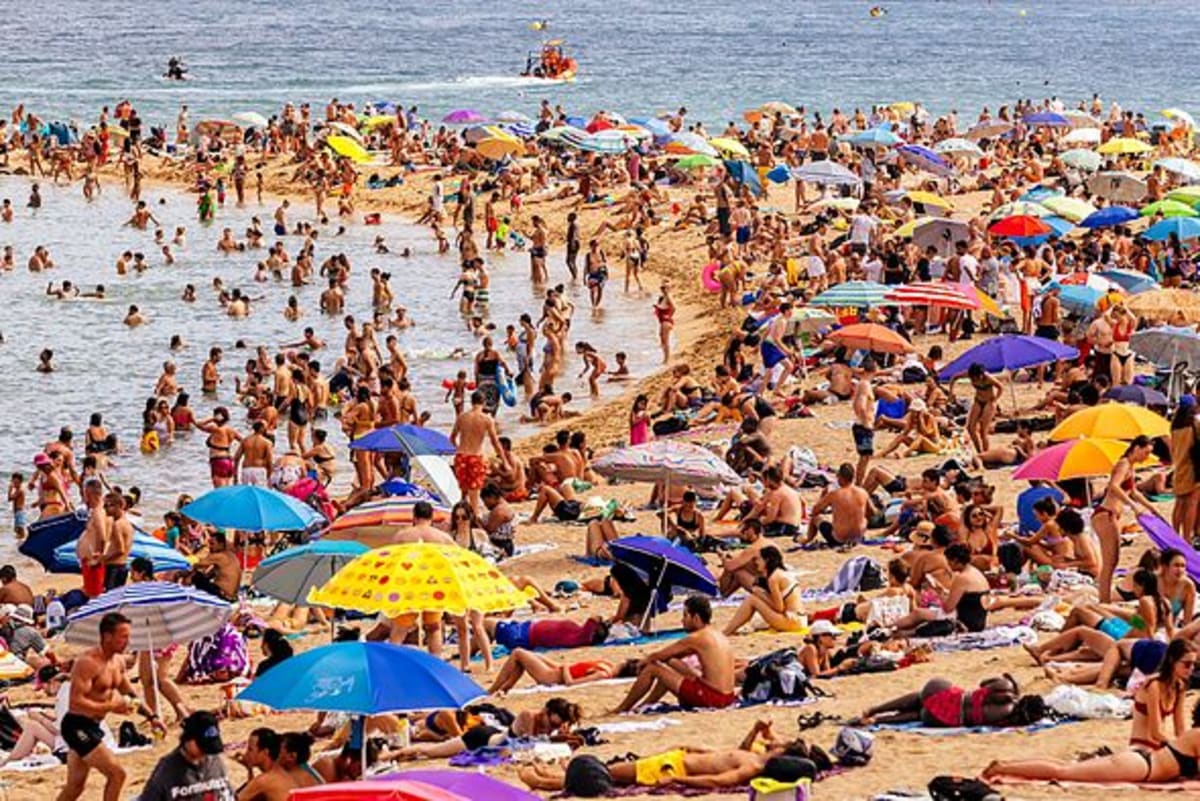
While Germany monitored Central and Southern Europe, the UK government issued urgent warnings for British travellers heading to Spain. According to the Richmond & Twickenham Times and the AOL reports, the FCDO updated its guidance on November 10, 2026, regarding a 24-hour national strike staged by CCOO and UGT unions on Wednesday, November 11, 2026, protesting rising housing prices, rent, and living costs ahead of a general election on November 29, 2026. The strike represents the first national stoppage in Spain for 14 years.
Spanish authorities established minimum service requirements to limit travel impacts. As reported by Aol, Barcelona's El Prat Airport operated 56 percent of international flights, 34 percent of domestic flights, and 79 percent of island services on November 11, 2026. Iberia confirmed that some flights were affected and offered alternative travel arrangements. Concurrently, The Traveler noted that non-EU nationals face additional administrative hurdles through the EU's digital Entry/Exit System, requiring biometric registration on arrival.
| Region / Country | Primary Disruption Event | Date / Active Period | Official Advisory Body |
|---|---|---|---|
| Poland | Independence Day marches, infrastructure laws, and Schengen border checks | November 11, 2026 | German Federal Foreign Office |
| Portugal | Red weather warnings, coastal storms, and urban property crime | November 2026 | German Federal Foreign Office |
| Spain | Nationwide general strike, EU digital border checks, and rail disaster disruption | November 11, 2026 (Strike) / November 29, 2026 (General Election) | UK Foreign, Commonwealth and Development Office (FCDO) |
What to Watch Next
Travellers navigating European transport networks are advised to monitor real-time operator alerts and verify documentation with carriers before departure. In Spain, attention turns to the aftermath of the November 11 national strike, ongoing investigations into the Toledo rail disaster, and the approaching November 29 general election. Meanwhile, travelers heading toward Central and Southern Europe must continue complying with heightened border enforcement, strict photography bans, and severe weather contingencies across transport networks.