UK mortgage rates rise as geopolitical tensions impact financial markets
Escalating geopolitical tensions have pushed average UK two-year fixed mortgage rates to 5.06%, squeezing borrower affordability and dampening property market activity.
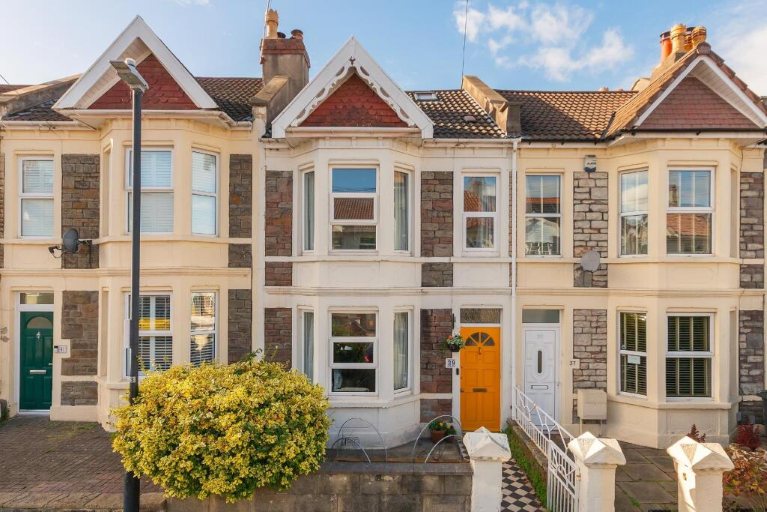
Escalating geopolitical tensions and global market volatility have pushed UK mortgage rates higher, severely squeezing borrower affordability and dampening property market activity.
According to Rightmove, the average two-year fixed mortgage rate stands at 5.06%. This figure represents an increase from 4.25% recorded prior to the outbreak of the war in Iran, though it remains below the peak of 5.43% seen during the height of those tensions. The Bank of England has held its Base Rate at 3.75% since December, yet ongoing uncertainty in the Middle East has injected severe unpredictability into financial markets.
Media additions



The resulting squeeze on borrowing costs has reverberated across the wider economy, directly impacting home movers and first-time buyers. Data from The Negotiator highlights figures from Nationwide showing that housing market activity plummeted 30% in August. Mortgage approvals dropped to 45,500, marking a figure nearly a third lower than the pre-pandemic levels recorded in 2019.
Affordability metrics underscore the scale of the challenge facing prospective homeowners. Nationwide notes that an average earner purchasing a typical first-time buyer home with a 20% deposit must spend 38% of their take-home pay on monthly mortgage commitments, sitting well above the long-run average of 29%. Meanwhile, the national average monthly mortgage payment sits at £1,717, calculated against an average property asking price of £364,999 and an interest rate of 5.06%.
Property consultancy Mortgage Strategy reports analysis from Mortgage Soup suggesting that geopolitical shifts originating in Washington may ultimately exert a greater influence on the UK housing market than domestic fiscal events like the recent Budget. Tom Bill, head of the UK residential research team at Knight Frank, points out that the outcome of the US midterm elections and pressure on political figures could foster diplomatic breakthroughs regarding the Middle East conflict.
| Metric / Indicator | Reported Figure / Context | Source Attribution |
|---|---|---|
| Average Two-Year Fixed Mortgage Rate | 5.06% (up from 4.25% pre-war; down from 5.43% peak) | Rightmove |
| National Average Monthly Mortgage Payment | £1,717 (based on £364,999 average asking price) | Rightmove |
| August Mortgage Approvals | 45,500 (approx. 30% below 2019 levels) | Nationwide (via The Negotiator) |
| Annual House Price Change (Lloyds) | Fell 1.2% in the year to October | Knight Frank (via Mortgage Strategy) |
| Five-Year SONIA Swap Rates | Closed at 4.52% on Monday, rose above 4.6% on Wednesday | Knight Frank (via Mortgage Soup) |
Financial markets have responded directly to these shifting international dynamics. Five-year SONIA swap rates closed at 4.52% on a Monday before climbing above 4.6% on the Wednesday amid fluctuating hopes for a lasting peace agreement. These swaps compare with 4.77% recorded three weeks prior. Furthermore, investors have scaled back expectations for aggressive monetary tightening, currently pricing in approximately three rate hikes for 2027 compared to projections of nearly four at the conclusion of October.
Opinions diverge sharply among economic commentators regarding the policy response from Threadneedle Street. Damian Pudner, economist and co-founder of the Great British Think Tank, argues that the central bank's decision to raise interest rates was an overly cautious insurance measure. He maintains that markets remain excessively pessimistic and suggests the institution should have held the line instead of raising rates to 4%.
Prime housing markets have not escaped the downturn. Knight Frank notes that average prices in prime central London fell by 2.1% in the year to October, marking three and a half years of consecutive annual declines. Prime outer London similarly experienced a 0.7% drop over the same period, representing the steepest annual fall since June 2024 as high mortgage rates weighed heavily on higher-value properties.
What to watch next
- Monitor upcoming announcements from the Bank of England regarding potential revisions to the Base Rate.
- Track developments surrounding diplomatic negotiations in the Middle East and their immediate impact on global oil prices and swap rates.
- Observe lender pricing strategies as financial institutions look to adjust fixed-rate products ahead of year-end reporting periods.
Stuart Bailey, co-head of Knight Frank’s London Private Office, observes that a growing sense of political and economic clarity is beginning to emerge. With the Budget concluded and a more de-escalatory tone developing internationally, market participants anticipate that calmer conditions will eventually allow buyers to make longer-term property commitments with greater confidence.